
As a dental laboratory expert, I often receive questions from both dentists and patients about the cost of dental crowns. Understanding the factors that influence pricing can help you make informed decisions about your oral health investment. Below, I'll break down the key considerations, insurance implications, and material options that determine the final cost of a dental crown.
Average Cost of a Dental Crown
Typical Price Range in the U.S.
In the United States, the cost of a single dental crown typically falls between $800 and $2,500, depending on several variables.
In some cases, basic crowns may cost less, while highly aesthetic or complex restorations can exceed this range.
Most patients will encounter pricing somewhere in the middle, especially for commonly used materials like porcelain or zirconia.
Why Dental Crown Prices Vary So Much
If you've compared prices online or received multiple treatment estimates, you may have noticed significant differences. That's because the cost of a dental crown is not a fixed number-it reflects a combination of clinical, technical, and material factors, not just the crown itself.
What Factors Affect the Cost of a Dental Crown?
Crown Material (One of the Biggest Cost Drivers)
Different crown materials come with different price points, aesthetics, and durability.
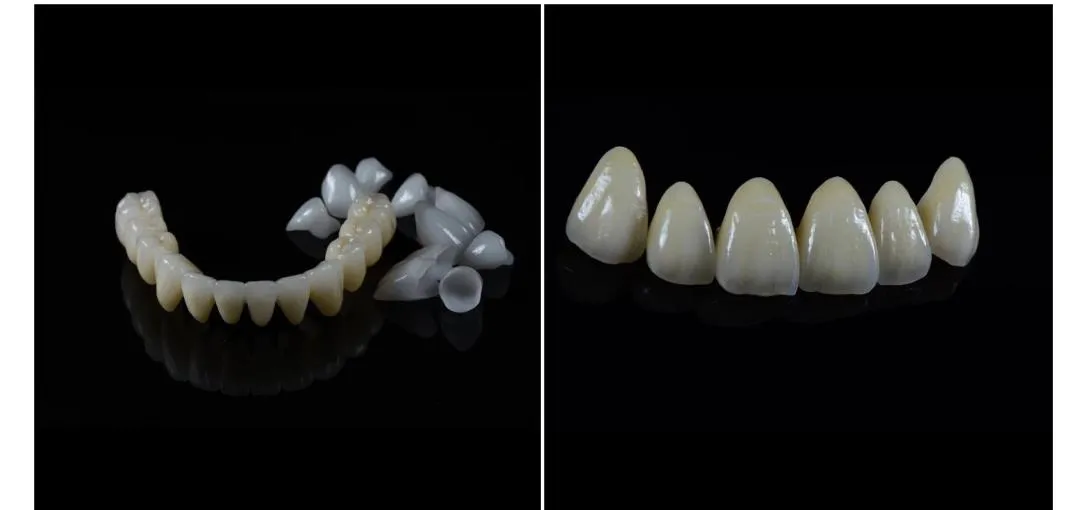
Known for strength and long lifespan, zirconia crowns are often used for both posterior and anterior teeth. They are typically priced in the mid-to-high range.
- All-ceramic / all-porcelain crowns
These offer excellent aesthetics and are often chosen for front teeth. They tend to be more expensive due to material costs and fabrication precision.
- Porcelain-fused-to-metal (PFM) crowns
A balance between strength and appearance, usually priced in the mid range.
- Metal crowns (gold or alloys)
Extremely durable but less aesthetic. Material costs can make them expensive despite simpler fabrication.
- Resin or temporary crowns
Lower cost, but not intended for long-term use.
Material choice alone can account for a large portion of the price difference between two crowns.
Dentist Fees vs. Laboratory Fees
A dental crown's cost is generally made up of two main components:
1. Clinical (dentist) fees
These include diagnosis, tooth preparation, impressions or digital scans, adjustments, and placement.
2. Dental laboratory fees
This covers crown design, materials, manufacturing, quality control, and finishing.
While patients often focus on the dentist's fee, laboratory quality plays a critical role in how well a crown fits, functions, and lasts. Precision manufacturing, proper occlusal design, and accurate margins reduce the risk of remakes, discomfort, and premature failure.
Digital vs. Traditional Crown Production
The way a crown is produced also influences cost.
- Traditional workflows rely on physical impressions and manual fabrication.
- Digital workflows use intraoral scanning, CAD/CAM design, and digitally controlled manufacturing.
Digital crown production can improve:
- Accuracy and consistency
- Turnaround time
- Predictability of fit
In many cases, efficient digital workflows help control costs while improving quality, especially when production is centralized and standardized.
Additional Procedures That Increase Cost
Sometimes the crown itself isn't the only expense. Total treatment cost may increase if additional procedures are required, such as:
- Root canal treatment
- Core build-up or post placement
- Temporary crowns
- Crowns placed on implants or as part of a bridge
These procedures add complexity and clinical time, which affects overall pricing.

Dental Crown Cost With and Without Insurance
How Insurance Typically Covers Crowns
Most dental insurance plans classify crowns as a major procedure. Coverage often ranges around 50% of the approved cost, after deductibles and waiting periods are met.
However, coverage depends heavily on:
- The specific insurance plan
- Annual maximums
- Whether the crown is deemed medically necessary
When Insurance May Not Apply
Insurance may not fully cover:
- Cosmetic crowns
- Upgraded materials (e.g., choosing zirconia over a basic option)
- Crowns placed before waiting periods end
It's always best to verify coverage details before treatment.
Is a More Expensive Dental Crown Worth It?
A higher-priced crown is not automatically better-but quality does matter.
Factors that justify higher cost include:
- Better material performance
- More precise fit
- Improved bite accuracy
- Reduced risk of remakes or complications
From a long-term perspective, a well-designed and well-manufactured crown often provides better value, even if the upfront cost is higher.

How Long Does a Dental Crown Last?
On average, dental crowns last 10–15 years, and many last longer with proper care.
Longevity depends on:
- Crown material
- Bite forces and habits
- Oral hygiene
- Manufacturing accuracy
Precise laboratory fabrication helps ensure proper margins and occlusion, which directly affects how long a crown performs in the mouth.
How to Control or Reduce Dental Crown Costs (Without Sacrificing Quality)
Instead of focusing only on finding the cheapest option, consider these strategies:
- Understand the cost breakdown of your treatment
- Choose materials based on function, not just appearance
- Use insurance benefits strategically
- Work with dental providers who use efficient digital workflows
Cost control is most effective when it's paired with quality planning.
FAQs
How much does a dental crown cost without insurance?
Without insurance, most patients pay between $800 and $2,500, depending on materials and complexity.
Is a zirconia crown more expensive?
Zirconia crowns are often more expensive than basic options, but they offer strength, durability, and long-term value.
Why do dental crown prices vary so much?
Differences in materials, dentist fees, laboratory quality, technology, and additional procedures all affect pricing.
Does the dental laboratory affect the final crown cost?
Yes. Laboratory materials, technology, and craftsmanship directly influence both cost and performance.
Conclusion
So, how much does a dental crown cost?
The answer depends on far more than a single number.
A dental crown's price reflects a combination of materials, clinical expertise, laboratory precision, and technology. Understanding these factors helps patients and dental professionals make informed decisions-balancing cost, quality, and long-term outcomes.
For dentists and clinics, working with a reliable digital dental laboratory can be an important step toward achieving consistent quality and predictable costs in crown restorations.
ADS Dental Laboratory Ltd is a China-based digital dental laboratory specializing in providing long-term, stable outsourcing services for custom dental restorations to overseas dentists and dental laboratories. We offer cost-effective, reliable-quality dental crowns for dental clinics and laboratories. Contact us today to receive a free sample.