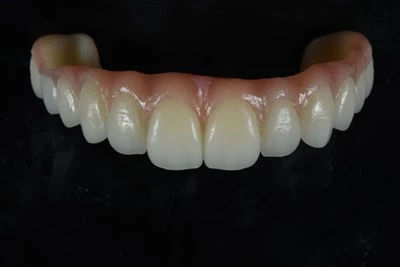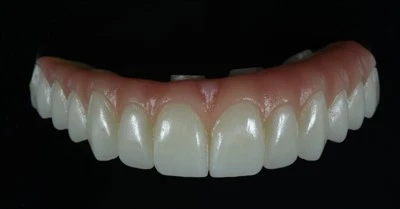
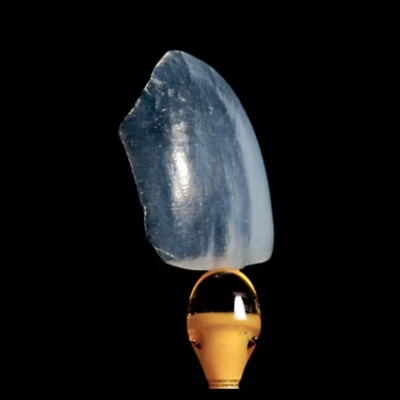
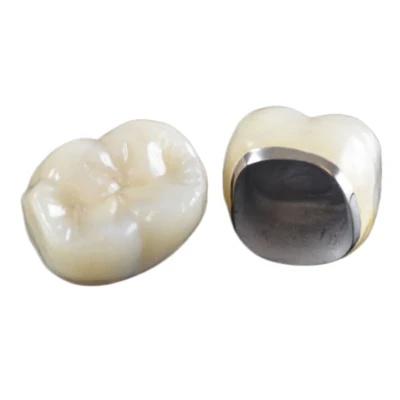
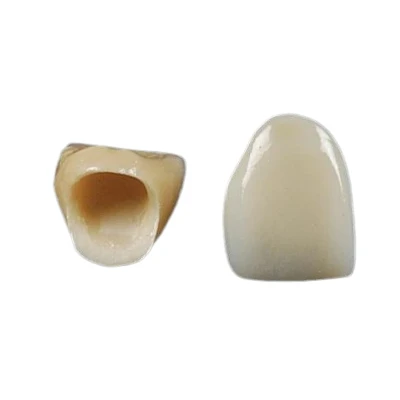
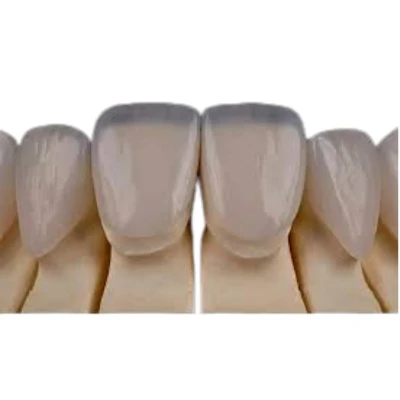
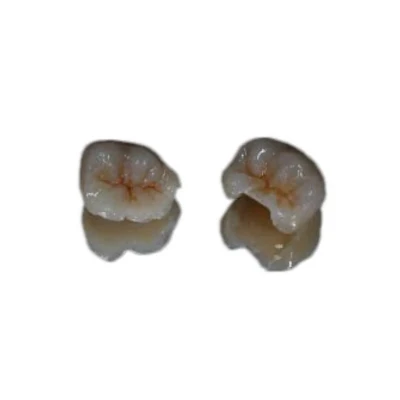

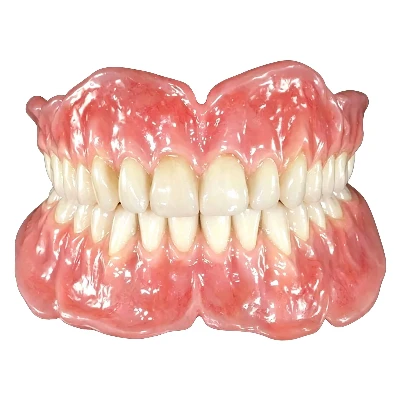

In modern restorative dentistry, the choice between IPS e.max and zirconia has become a central consideration for clinicians and dental technicians alike. Both materials offer distinct advantages and limitations, making the selection process highly dependent on clinical circumstances, patient needs, and aesthetic demands. This comprehensive guide will explore these two leading all-ceramic materials, comparing their properties, applications, and selection criteria to help dental professionals make informed decisions.

Material Overview – Understanding the Basics
What Is E.max?
E.max is a lithium disilicate glass-ceramic, best known for its excellent optical properties and natural aesthetics. It has become a preferred material for restorations where appearance is a priority.
E.max restorations can be fabricated using:
- Press technique, or
- CAD/CAM milling from prefabricated blocks
Key characteristics of E.max include:
- High translucency that closely mimics natural enamel
- Reliable adhesive bonding due to its glass-ceramic structure
- Balanced strength suitable for most single-unit restorations
Because of these features, E.max is widely used in anterior crowns, veneers, inlays, and onlays, as well as select posterior single crowns under controlled occlusal conditions.
What Is Zirconia?
Zirconia (zirconium dioxide) is a polycrystalline ceramic known for its exceptional strength and long-term stability. Unlike glass ceramics, zirconia is fabricated exclusively through CAD/CAM milling followed by sintering.
Modern zirconia materials include:
- Conventional high-strength zirconia
- High-translucency zirconia
- Multilayer zirconia with shade and translucency gradients
Key characteristics of zirconia include:
- Very high fracture resistance
- Excellent performance in high-load areas
- Strong masking ability for discolored substrates
Zirconia is commonly used for posterior crowns, multi-unit bridges, implant restorations, and cases involving heavy occlusal forces.

Key Differences Between E.max and Zirconia
Understanding the fundamental differences between these two materials helps clinicians make predictable, case-appropriate decisions.
Strength and Durability
Zirconia is significantly stronger than E.max and is better suited for:
- Posterior teeth
- Patients with heavy occlusion or bruxism
Long-span bridges
E.max offers sufficient strength for:
- Single crowns
- Anterior and premolar regions
- Restorations with controlled occlusal load
While E.max is durable, it is not intended for high-stress, multi-unit restorations.
Aesthetics and Translucency
Aesthetics is where E.max truly excels.
- E.max provides superior translucency and light diffusion, closely resembling natural tooth structure
- Zirconia, even in newer high-translucency formulations, prioritizes strength over optical performance
For restorations in the aesthetic zone-especially where adjacent natural teeth are highly visible-E.max often delivers more predictable visual results.
Tooth Preparation and Design Flexibility
Material choice also influences preparation design:
E.max
- Requires sufficient thickness for strength
- Is more sensitive to underlying tooth color
- Benefits from adhesive bonding protocols
Zirconia
- Allows thinner restorations in limited occlusal space
- Masks dark or discolored preparations effectively
- Performs well with conventional cementation
These differences are particularly important in compromised clinical situations.

Clinical Indications – When to Choose Which Material
Indications for E.max
E.max is commonly indicated for:
- Anterior single crowns
- Veneers and minimally invasive restorations
- Inlays and onlays
- Cases with high aesthetic demands
- Teeth with normal occlusal load and favorable preparation color
When aesthetics and natural appearance are the primary goals, E.max is often the material of choice.
Indications for Zirconia
Zirconia is preferred for:
- Posterior single crowns
- Multi-unit bridges
- Patients with bruxism or heavy occlusion
- Limited occlusal clearance
- Discolored teeth or metal posts
- Implant-supported restorations
In strength-driven cases, zirconia provides predictability and long-term reliability.
Common Misconceptions About E.max and Zirconia
"Zirconia is not suitable for anterior restorations."
Modern high-translucency and multilayer zirconia can be used in anterior areas when strength or masking is required, though E.max may still offer superior aesthetics.
"E.max is too weak for clinical use."
E.max is more than strong enough for properly selected single-unit restorations. Failures are usually related to case selection, not the material itself.
"You must choose one material over the other."
In reality, E.max and zirconia are complementary, not competing. Many treatment plans successfully incorporate both materials.

How to Choose the Right Material for Your Case
Material selection should follow a structured clinical evaluation rather than habit or preference.
Restoration Location
Anterior teeth → E.max (aesthetics first)
Posterior teeth → Zirconia (strength first)
Occlusal Conditions
Normal occlusion → Either material
Heavy bite / bruxism → Zirconia
Aesthetic Expectations
High aesthetic zone → E.max
Functional or low-visibility areas → Zirconia
Restoration Type
Veneers, inlays, single crowns → E.max
Bridges, implant restorations → Zirconia
This decision-making approach leads to more predictable outcomes and fewer complications.
The Role of a Digital Dental Laboratory in Material Selection
In modern dentistry, material performance is closely linked to digital design and fabrication quality.
A digital dental laboratory supports better outcomes by:
- Optimizing restoration design for each material
- Managing thickness, contours, and occlusion digitally
- Selecting appropriate material variants for each case
- Ensuring consistency and precision through CAD/CAM workflows
Close collaboration between the dentist and a digital lab helps ensure that the chosen material performs as intended, both functionally and aesthetically.
Conclusion
The comparison between E.max and zirconia highlights a fundamental principle in restorative dentistry: there is no universally "better" material-only a more suitable one for each case.
E.max excels in aesthetics and natural appearance, while zirconia provides unmatched strength and durability. When used appropriately, both materials deliver excellent long-term clinical results.
Successful material selection depends on:
- Clear understanding of material properties
- Accurate case assessment
- Thoughtful digital design and laboratory support
Ultimately, consult with your dental professional and lab for personalized recommendations.
Discover ADS Dental Laboratory Ltd – We are a professional digital dental lab in China , specializing in providing long-term, stable outsourcing services of customized dental prosthetics for overseas dentists and dental laboratories. our digital expertise ensures precise CAD/CAM fabrication of both materials, delivering high-quality, patient-specific restorations. Contact us now for free samples. Email: Info@chinaadsdentallab.com