
Dental lab outsourcing sounds simple: send the case to an outside lab, receive the finished restoration, seat it, move on.
In real practice, the decision is not that clean.
A lower crown price may help your margin. A poor fit, late delivery, or unclear remake policy can erase that saving in one appointment. Every remake means more chair time, more communication, another patient visit, and sometimes a patient who starts questioning the treatment plan.
The real decision is not whether outsourcing is "good" or "bad."
It is about choosing the right cases, matching them with the right lab, and making sure the workflow, communication, turnaround time, and quality control are clear before the partnership starts.
Your practice should consider outsourcing dental lab work if rising lab costs, limited technician capacity, or inconsistent turnaround times are affecting your workflow. But outsourcing only works when the lab can provide consistent fit, clear communication, predictable delivery, transparent materials, and a remake process you can trust.

What Does Outsourcing Dental Lab Work Really Mean?
Dental lab outsourcing means sending dental restoration or appliance work to an external dental laboratory instead of producing it fully inside your own clinic or in-house lab.
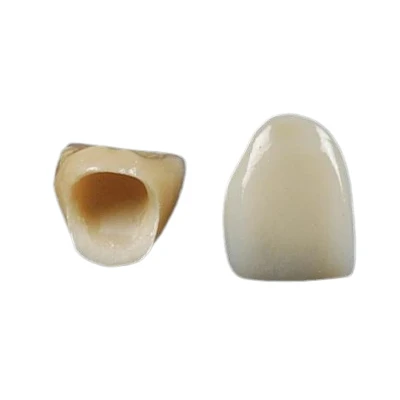
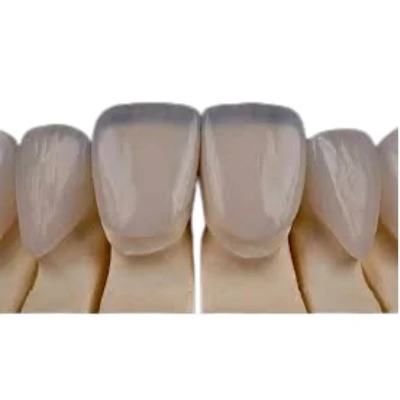
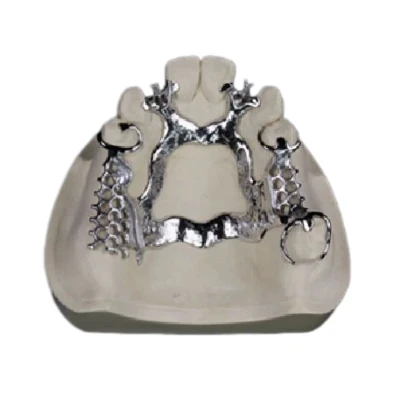
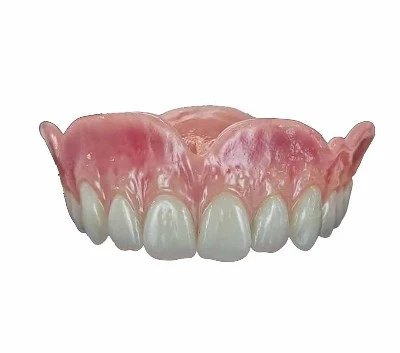
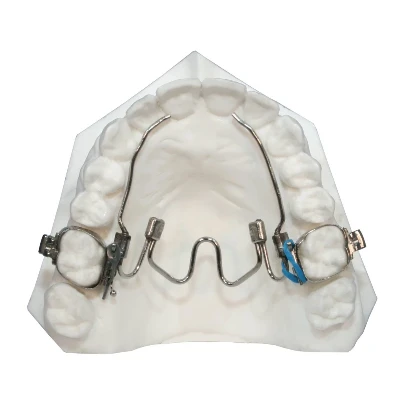
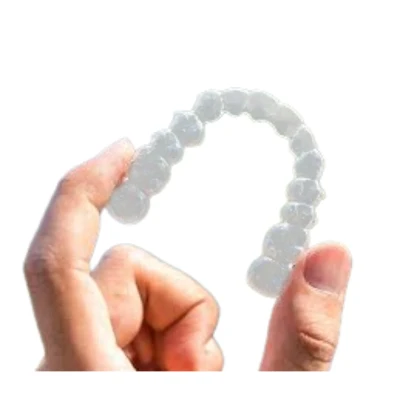
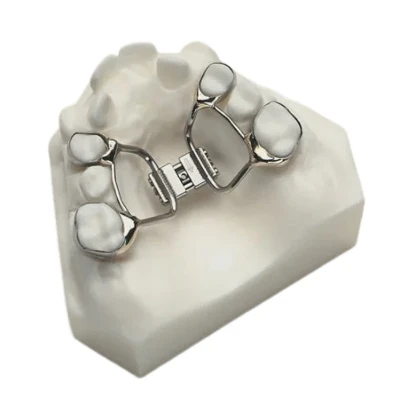
That external lab may be local, interstate, offshore, or part of a larger manufacturing network. The outsourced work may include crowns, bridges, implant restorations, dentures, night guards, orthodontic appliances, or even only the digital design stage.
Outsourcing does not have to mean giving away every case.
A dental practice may outsource only:
- Routine zirconia crowns and bridges
- Overflow cases during busy months
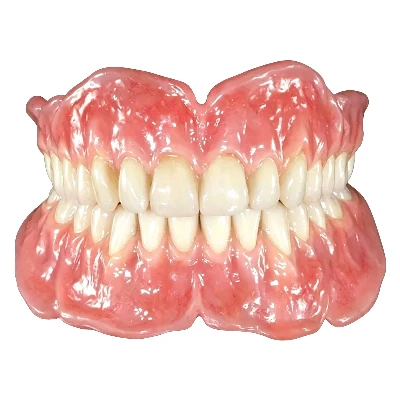
- Removable dentures
- Digital design work
- Implant components requiring specific milling or CAD/CAM experience
- Selected full-arch cases after a trial period
This matters because many practices hesitate to outsource because they imagine a full operational shift. That is rarely the best starting point.
A safer approach is selective outsourcing. Start with case types that are predictable, evaluate the lab's work, then expand only when quality, communication, and turnaround are proven.
The strongest outsourcing relationships are usually built gradually, not rushed through one large first order.
Why Dental Practices Consider Outsourcing Lab Work
Most dentists do not change their lab workflow just because another supplier sends a cheaper price list. Something usually pushes the decision: rising bills, staff pressure, case delays, technician shortages, or repeated remakes.
Rising Lab Costs and Staffing Pressure
Running an in-house lab requires space, trained technicians, CAD/CAM equipment, milling units, furnaces, scanners, maintenance, materials, and quality control systems. For a large clinic group or high-volume prosthodontic practice, that investment may make sense.
For many general practices, it does not.
Even a basic digital production setup can become expensive once you include scanner integration, zirconia milling, sintering furnaces, porcelain ovens, design software, dust extraction, maintenance, and technician salaries. Then comes the bigger issue: finding and keeping skilled technicians.
Outsourcing gives a practice access to dental laboratory services without carrying the full fixed cost of production. The practice pays per case instead of building and managing the entire production system.
That is why dental lab outsourcing often becomes attractive when a clinic wants more production flexibility without adding another department inside the practice.
Case Volume and Turnaround Pressure
Case volume is rarely flat. A clinic may have a quiet month, then suddenly handle a run of crowns, implant restorations, dentures, and rush cases.
If your current lab cannot keep up, your schedule suffers. A late crown does not only affect the lab invoice. It affects patient booking, temporary restoration time, assistant coordination, doctor productivity, and patient confidence.
Multi-chair practices feel this pressure quickly. Implant-heavy practices feel it even more because each delay can affect surgical planning, restorative timelines, and patient expectations.
An outsourced dental lab can act as a capacity buffer. The key is whether that buffer is reliable. Extra capacity is only useful when turnaround time is predictable.
Access to Digital Workflow and Specialized Production
Digital dentistry has changed the outsourcing equation.
A clinic using an intraoral scanner can now send STL, PLY, or OBJ files to a digital dental lab without shipping physical impressions. A lab with CAD/CAM design, zirconia milling, 3D printing, and implant restoration experience can support cases that would be difficult for a small practice to produce internally.
For example, a clinic may scan a posterior crown preparation in the morning, submit the STL file with shade and material instructions, and receive the finished zirconia crown after the lab's design, milling, sintering, staining, glazing, and inspection workflow.
This does not remove the need for clinical judgment.
It does reduce the need for every practice to own every production technology.
Which Dental Lab Work Should You Outsource First?
Not every case is a good first outsourcing case. The best starting point is usually a restoration type with clear standards, moderate risk, and simple communication requirements.
Good Starting Cases for Outsourcing
Routine fixed restorations are often the easiest place to begin.
Good trial cases may include:
- Monolithic zirconia crowns
- Simple zirconia bridges
- PFM crowns
- E.max crowns
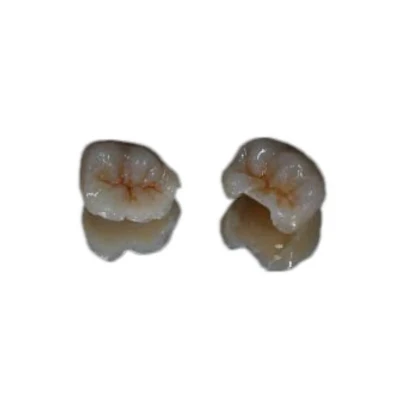
- Posterior crowns with standard shade requirements
- Night guards
- Routine removable cases
These cases allow you to evaluate the lab's basic technical consistency: margin fit, contact strength, occlusion, anatomy, shade interpretation, surface finishing, packaging, and delivery.
A single posterior zirconia crown, for example, is a practical test case. If the scan is clean, margin is clear, bite is accurate, and shade requirement is not complex, the finished restoration should require minimal adjustment. If it still needs heavy chairside correction, that tells you something about the lab's workflow.
Simple cases reveal a lot.
If a lab cannot consistently handle routine crowns, do not send it complex implant or full-arch cases yet.
Cases That Can Be Outsourced With Clear Protocols
Implant restorations can be outsourced, but they require more complete information.
A screw-retained implant crown is not just another crown. The lab needs to know the implant system, platform, scan body, connection type, tissue height, screw access preference, occlusal scheme, emergence profile expectation, and whether the case is screw-retained or cement-retained.
Missing one detail can create a costly remake.
For implant cases, the practice should provide:
- Implant brand and system
- Platform size
- Scan body information
- Restoration type
- Screw-retained or cement-retained design
- Occlusion notes
- Shade photos
- Tissue contour expectations
- Special access channel instructions
Removable dentures and partial dentures can also be outsourced, but they require careful model accuracy, bite records, tooth selection, try-in expectations, and clear communication about clasp design or base material.
These cases are not unsuitable for outsourcing. They simply need a more disciplined submission process.
Cases That Need Stronger Review Before Outsourcing
Some cases should not be the first test of a new outsourced dental lab.
These include:
- Full-arch implant restorations
- Anterior esthetic cases
- Complex occlusal reconstruction
- High-value cosmetic cases
- Multi-unit implant bridges
- Cases with limited restorative space
- Cases requiring detailed shade layering
A full-arch zirconia bridge, for example, may involve implant angulation, passive fit, titanium bar design, occlusal vertical dimension, soft tissue design, screw access position, strength requirements, and esthetic approval. This type of case can be outsourced to a capable lab, but not casually.
For these cases, design review, photo communication, material selection, and remake terms must be clear before production starts.
The rule is simple: outsource complexity only after the lab has proven consistency on simpler work.

Cost: Do Not Judge Outsourcing by Unit Price Alone
Many practices first look at outsourcing because the unit price looks attractive. That is understandable. Standardized restorations often cost less when produced by a larger or offshore dental lab.
But unit price is only one part of the calculation.
Visible Costs
Visible costs are easy to compare:
- Crown price
- Bridge price
- Denture price
- Implant restoration price
- Design fee
- Material upgrade fee
- Shipping fee
- Rush order fee
These numbers matter. A practice that sends a steady volume of crowns each month may reduce production cost by using an outsourced dental lab partner, especially for standardized zirconia, PFM, or removable work.
Offshore dental labs may also offer cost advantages due to labor structure, production scale, and specialized manufacturing workflows.
But a low fee does not guarantee lower total cost.
Hidden Costs
Hidden costs are where outsourcing decisions often go wrong.
A remake does not only cost another lab fee. It may require another appointment, another scan, another temporary, more chairside adjustment, extra communication, more shipping, and an annoyed patient.
If a crown arrives with an open margin, weak contact, high occlusion, or poor shade match, the saving on the invoice becomes less relevant. The doctor and team still carry the clinical consequence.
Common hidden costs include:
- Chairside adjustment time
- Remake or rework time
- Extra appointment slots
- Delayed seating appointments
- Temporary restoration problems
- Shipping delays
- Repeated communication
- Loss of patient confidence
A lower lab fee does not help your practice if it creates more remakes, adjustments, and delayed appointments.
Total Cost per Successful Case
A more realistic way to judge dental lab outsourcing is:
Total cost = unit price + shipping + adjustment time + remake risk + communication workload
This is why the cheapest dental lab is not always the most cost-effective dental lab.
A slightly higher-priced outsourced dental lab with stable fit, predictable turnaround, and a clear remake process may be more profitable than a cheaper lab that creates clinical friction every week.
The best outsourcing decision protects both margin and chair time.
Quality Control: The Factor That Decides Whether Outsourcing Works
Quality control is where outsourcing either becomes a growth tool or a constant problem.
A reliable outsourced dental lab should not need perfect conditions to produce acceptable work. Real cases come with imperfect scans, tight spaces, difficult shades, implant limitations, and patients who expect the restoration to fit the first time.
Clinical Quality Indicators to Check
When evaluating trial cases, do not stop at whether the restoration "looks fine." Check the points that affect chairside performance.
Key quality indicators include:
|
Quality Factor |
What to Check Clinically |
|
Margin fit |
Does the crown seat fully without open margins? |
|
Proximal contacts |
Are contacts too tight, too light, or stable? |
|
Occlusion |
Is adjustment minimal, or does it need heavy grinding? |
|
Anatomy |
Does the morphology match the case and arch? |
|
Shade matching |
Does the restoration match the provided shade and photos? |
|
Surface finish |
Is the glaze, polish, and contour clinically acceptable? |
|
Implant compatibility |
Does the connection match the implant system? |
|
Screw access |
Is the channel positioned correctly for function and esthetics? |
|
Chairside time |
How long does the doctor need to adjust before delivery? |
For crowns and bridges, fit and occlusion are usually the first pain points. For implant restorations, compatibility and access channel design become more important. For anterior cases, shade and translucency carry more weight.
Different case types need different quality checks.
A good lab understands that.
Material Transparency and Documentation
Material selection affects strength, esthetics, wear behavior, and long-term reliability. The lab should be able to explain what materials are being used and why.
For zirconia restorations, for example, the lab should know whether it is using high-translucency zirconia, multilayer zirconia, high-strength zirconia, or a layered approach. For ceramic restorations, material selection should match the indication. For implant cases, component compatibility should be clear.
Dentists and dental laboratories should ask about:
- Zirconia type
- Ceramic system
- Metal alloy or framework material
- Implant components
- Material documentation when needed
- Batch or case tracking process
- Disinfection and packaging process
This does not mean every case needs a long compliance discussion. But if a patient or clinic asks what was used, the answer should not be vague.
Remake Policy and Quality Feedback
Every lab will face remakes. The difference is how the lab handles them.
A weak lab treats remakes as isolated complaints. A strong lab studies why the problem happened.
Was the margin unclear? Was the contact preference different from the doctor's expectation? Was the bite record inaccurate? Was the shade photo missing? Was the implant information incomplete? Was the design not reviewed before production?
A clear dental lab remake policy should answer:
- What qualifies as a remake?
- Who pays for shipping?
- What information is needed to remake the case?
- How fast will the remake be handled?
- How are repeat issues recorded?
A lab that learns from remakes becomes more valuable over time. A lab that repeats the same errors becomes expensive, no matter how low the price looks.
Communication and Digital Workflow: How to Reduce Outsourcing Risk
Many outsourcing problems begin before the lab starts production.
The prescription is incomplete. The margin is unclear. The shade photo is missing. The implant system is not specified. The bite file does not match the scan. The doctor's preference is assumed instead of recorded.
Then the finished restoration arrives, and everyone calls it a "lab problem."
Sometimes it is. Sometimes the workflow was weak from the beginning.
Case Submission Checklist
A clean case submission process reduces remake risk. For outsourced dental restorations, especially digital cases, the lab should receive enough information to make the restoration without guessing.
A practical dental case submission checklist includes:
- Prescription
- STL, PLY, or OBJ scan files
- Restoration type
- Tooth number
- Material choice
- Shade information
- Intraoral photos
- Bite registration
- Margin marking
- Opposing arch scan
- Implant system, if applicable
- Scan body information, if applicable
- Occlusal notes
- Esthetic notes
- Delivery deadline
For a simple posterior crown, the list may be short. For an implant bridge or full-arch case, the information must be much more detailed.
The more complex the case, the less room there is for assumptions.
Scanner and File Compatibility
A digital dental lab should be able to work with common intraoral scanner outputs and CAD/CAM workflows. STL is widely used, but color and texture information may require formats such as PLY or OBJ depending on the scanner and case type.
The lab should clearly explain:
- Which file formats it accepts
- How files should be uploaded
- Whether it supports model-less workflow
- How design approval is handled
- How physical models are handled when needed
- Whether it can work with common scanner systems
For offshore dental lab outsourcing, file compatibility becomes even more important. Digital workflow reduces shipping dependence and shortens the communication loop, but only if both sides follow a consistent process.
Long-Term Preference Records
One reason long-term lab relationships often perform better is preference memory.
Over time, a lab can learn how a specific doctor prefers contacts, occlusion, anatomy, margin handling, shade communication, and implant emergence profiles. This is especially valuable for overseas cooperation, where chairside feedback may not happen face to face.
Useful preference records may include:
- Contact tightness preference
- Occlusal adjustment preference
- Anatomy style
- Preferred zirconia type
- Shade photo protocol
- Margin interpretation notes
- Common implant systems
- Remake history and reasons
This is where outsourcing moves beyond simple production. The lab becomes a workflow partner.
For long-term dental lab outsourcing, recorded preferences often matter as much as the first price list.

Local Lab, Offshore Lab, or Hybrid Model: Which Makes Sense?
There is no single outsourcing model that fits every practice. A single-chair general practice, a multi-chair family clinic, an implant-heavy practice, and a dental laboratory looking for production support do not need the same setup.
In-House vs Local vs Offshore vs Hybrid
|
Model |
Best For |
Strengths |
Main Risks |
|
In-house lab |
High-control practices with enough volume |
Fast feedback, direct control, internal customization |
High fixed cost, staffing, equipment burden |
|
Local dental lab |
Esthetic cases, urgent cases, high-touch communication |
Easier communication, shorter logistics, local support |
Higher unit cost, limited capacity in busy periods |
|
Offshore dental lab |
Routine cases, scalable production, cost control |
Lower production cost, larger capacity, digital workflow potential |
Shipping time, time zone, communication, remake logistics |
|
Hybrid model |
Most growing practices |
Balances cost, risk, speed, and case complexity |
Requires clear case routing rules |
The hybrid model is often the most practical starting point. A practice may keep urgent anterior esthetic cases local while outsourcing routine zirconia crowns, night guards, or selected implant restorations to a trusted offshore dental lab.
This is not indecision. It is risk control.
When Offshore Dental Lab Outsourcing Works
Offshore outsourcing works when the workflow is disciplined.
It tends to perform better when:
- The practice starts with trial cases
- Case information is complete
- Digital files are clean
- The lab has stable CAD/CAM capability
- Material choices are transparent
- Trnaround time is realistic
- Remake terms are clear
- Communication is handled by a fixed contact window
- Feedback is recorded case by case
The question is not simply where the lab is located. The better question is whether the lab's workflow, materials, communication, and quality control match your case mix.
A China dental lab, for example, may be a strong option for practices or labs that need cost control, digital production, and scalable restorative manufacturing. But the same rule applies: test first, evaluate carefully, then expand.
Which Practice Type Fits Which Model?
A small general practice may start by outsourcing posterior zirconia crowns, night guards, or simple bridges. The goal is to reduce cost and free up administrative pressure without adding clinical risk.
A multi-chair practice needs more than low pricing. It needs stable turnaround, clear case tracking, and enough lab capacity to handle volume.
An implant-focused practice should prioritize implant system knowledge, digital design review, screw access planning, and component compatibility.
A dental laboratory looking for outsourcing support may need something different again: white-label production, bulk zirconia work, removable support, CAD design capacity, or long-term custom dental restoration manufacturing.
The right model depends on case mix, not just practice size.
How to Choose the Right Outsourced Dental Lab
Choosing an outsourced dental lab should not start with the biggest discount. Start with whether the lab can handle your actual cases.
Start With Trial Cases
Do not move all work to a new lab at once.
Start with controlled trial cases. Choose cases that are common enough to judge fairly but not so complex that too many variables hide the lab's true performance.
During the trial period, evaluate:
- Fit
- Margins
- Contacts
- Occlusion
- Shade
- Anatomy
- Communication speed
- Packaging
- Turnaround
- Remake handling
One good case is encouraging. Several consistent cases are more meaningful.
Trial orders should answer one practical question: can this lab reduce pressure on your practice without creating new problems?
Questions to Ask Before Cooperation
Before sending cases, ask direct questions.
- What case types do you handle most often?
- What digital file formats do you accept?
- Which materials do you use for zirconia crowns, E.max, PFM, dentures, and implant restorations?
- What is your standard production time?
- How is shipping arranged?
- How do you handle remakes?
- Who pays remake shipping?
- Can you support specific implant systems?
- Do you provide design review for complex cases?
- How do you manage patient data and case records?
- Can you keep doctor preference notes for long-term cooperation?
A reliable lab should answer these questions clearly. If the answer is vague before the order, it will probably be vague when a problem appears.
Evaluate the Lab as a Long-Term Partner
A dental lab partner is not only a supplier. It affects your treatment schedule, patient experience, and clinical reputation.
Look for signs of long-term stability:
- Consistent response time
- Clear pricing
- Practical technical support
- Stable material choices
- Visible quality control process
- Case tracking
- Honest remake handling
- Ability to support growth
- Willingness to learn your preferences
A lab that solves problems well is often more valuable than a lab that promises there will never be problems.
That is the difference between outsourcing as a cheap purchase and outsourcing as a reliable production strategy.

Conclusion
ADS Dental Laboratory Ltd is a China-based digital dental lab focused on long-term custom dental restoration outsourcing for overseas dentists and dental laboratories.
For practices and labs that want to control production pressure without losing focus on quality and communication, ADS supports digital case workflows, custom restorative production, and gradual cooperation starting from test cases.
Our role is not to tell every practice to outsource every case. That would not be realistic.
The better approach is to identify the right case types, confirm the workflow, test the quality, and then build a stable outsourcing relationship step by step. For overseas dental practices and dental laboratories, this is often the safest way to gain cost flexibility and production support while keeping clinical standards under control.
If your practice or dental lab is looking for a long-term outsourced dental lab partner, ADS Dental Laboratory Ltd can help you evaluate suitable case types and start with a practical test order.
FAQ About Outsourcing Dental Lab Work
Is it cheaper to outsource dental lab work?
It can be cheaper, especially for standardized restorations such as zirconia crowns, simple bridges, night guards, and some removable cases. But the real cost must include shipping, remakes, chairside adjustment time, delayed appointments, and communication workload.
A lower unit price only helps when the final restoration fits, arrives on time, and does not create extra clinical work.
What dental lab work can be outsourced?
Common outsourced dental lab work includes crowns, bridges, veneers, implant crowns, screw-retained restorations, custom abutments, dentures, partial dentures, retainers, night guards, and digital design services.
Routine fixed restorations are usually the best starting point. Implant and full-arch cases can also be outsourced, but they need complete case information and stronger design review.
Is offshore dental lab outsourcing safe?
Offshore dental lab outsourcing can work well when the lab has stable quality control, digital workflow capability, material transparency, clear communication, and a written remake process.
The risk is not only distance. The bigger risk is unclear workflow. Complete digital files, good photos, clear implant information, and realistic turnaround expectations reduce many offshore outsourcing problems.
Should a dental practice outsource all lab work at once?
Usually, no.
A better approach is to start with selected trial cases, evaluate the results, and expand gradually. Routine crowns, simple bridges, and night guards are often better first cases than full-arch implant restorations or anterior esthetic work.
Outsourcing should reduce pressure on your practice, not add new clinical and communication risks.