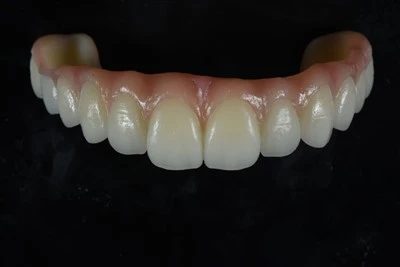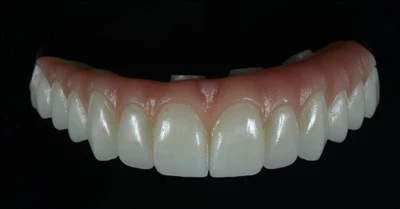
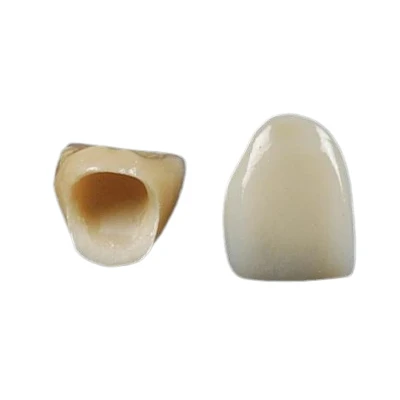
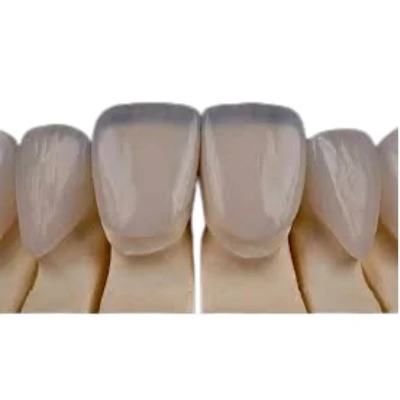
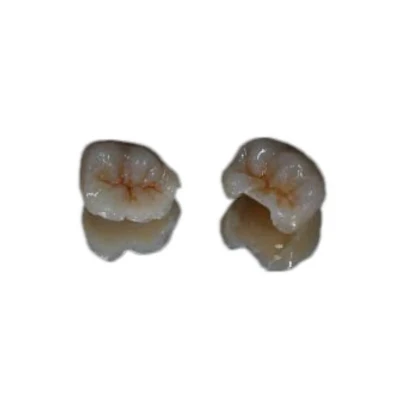
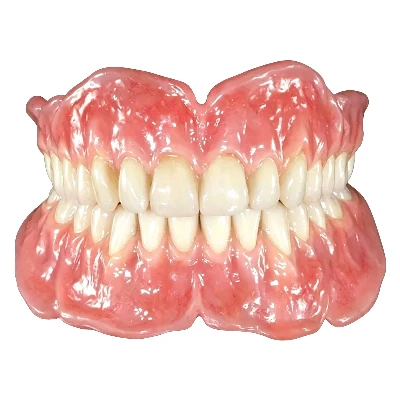

Dental implant screws are small parts, but they can decide whether an implant restoration stays stable, serviceable, and comfortable over time.
The problem is that the term "dental implant screw" is often used too loosely. A patient may use it to describe the implant fixture placed in the bone. A clinician may use it to refer to an abutment screw. A dental lab may be talking about a prosthetic screw for a screw-retained crown or an All-on-X bridge.
These are not the same thing.
For dentists and dental laboratories, the key is not simply choosing a screw. It lies in precisely selecting the screw that perfectly matches the specific implant system, connection type, restoration design, torque protocol, and occlusal conditions. This comprehensive compatibility process is precisely where many screw-related complications begin.

What Are Dental Implant Screws?
Dental implant screws refer to several screw-like components used during implant placement, healing, abutment connection, and final restoration. Depending on the context, the term may refer to the implant fixture itself or to smaller restorative components such as cover screws, healing screws, abutment screws, prosthetic screws, and multi-unit abutment screws.
In a broad sense, dental implant screws help with three things:
- Protecting the implant connection during healing
- Connecting implant components together
- Securing crowns, bridges, or full-arch restorations
In restorative dentistry, the most discussed screws are usually abutment screws and prosthetic screws. These are the components that affect screw-retained crowns, implant bridges, All-on-X restorations, and long-term retrievability.
A screw that looks similar is not automatically compatible. Diameter, length, thread design, driver type, platform size, connection geometry, and torque value all matter.
This is why implant screw selection should never be treated as a small ordering detail.
Main Types of Dental Implant Screws
Different implant screws are used at different stages. Mixing the names creates confusion, especially when a case involves multiple implants, scan bodies, multi-unit abutments, and a screw-retained final prosthesis.
Implant Fixture / Threaded Implant Body
The implant fixture is the threaded component surgically placed into the jawbone. It acts as an artificial root and becomes stable through osseointegration, the process where bone integrates with the implant surface.
This is what many patients call the "implant screw."
For clinical and laboratory communication, though, it is better to call it the implant fixture or implant body. It is not the same as an abutment screw or prosthetic screw. The implant fixture is the foundation. The smaller screws above it are connection and retention components.
Common fixture-related considerations include:
|
Factor |
Why It Matters |
|
Implant diameter |
Affects primary stability and prosthetic platform |
|
Implant length |
Related to bone volume and load distribution |
|
Connection type |
Determines compatible abutments and screws |
|
Implant angulation |
Affects screw channel position in the final restoration |
|
Platform size |
Determines the correct restorative components |
The implant position chosen during surgery has a direct effect on the final restoration. A poorly angled implant may force the screw access hole toward the facial surface of an anterior crown. In that situation, the lab may need an angled screw channel system or a different restorative strategy.
Cover Screw and Healing Screw
A cover screw is used to seal the top of the implant fixture, usually in a two-stage surgical approach. It protects the internal connection during submerged healing.
A healing screw or healing abutment is different. It usually extends through the soft tissue and helps shape the gingival profile before the final abutment or restoration is placed.
They are both used during the healing stage, but they do not serve the same purpose.
|
Component |
Main Function |
Typical Stage |
|
Cover screw |
Protects implant internal connection |
Submerged healing |
|
Healing abutment / healing screw |
Shapes soft tissue and emergence profile |
Transmucosal healing |
For esthetic cases, healing abutment selection matters. A generic healing cap may not shape the tissue the same way a custom provisional or custom healing abutment would. In anterior cases, poor tissue shaping can make the final crown look flat, over-contoured, or difficult to clean.
Abutment Screw
An abutment screw connects the abutment to the implant fixture. It is one of the most important mechanical links in the implant restoration.
The crown receives occlusal force. That force passes through the restoration, abutment, abutment screw, and implant fixture. If the abutment screw is not compatible, not seated properly, or not torqued according to the implant manufacturer's protocol, the restoration may develop micromovement.
That micromovement may show up as:
- Screw loosening
- Clicking or mobility
- Abutment instability
- Micro-gap formation
- Bacterial leakage risk
- Crown or bridge failure
The abutment screw is not just a "fastener." It is part of the force-transfer system.
Prosthetic Screw / Restorative Screw
A prosthetic screw, sometimes called a restorative screw, secures the final restoration to an abutment or multi-unit abutment. It is common in screw-retained crowns, screw-retained bridges, and full-arch implant prostheses.
This is the screw the clinician accesses through the screw channel in the crown or bridge.
For a single posterior screw-retained crown, the prosthetic screw mainly provides retention and retrievability. For an All-on-X zirconia bridge, several prosthetic screws work together to secure a long-span prosthesis across multiple implants.
That difference matters. A full-arch bridge does not tolerate misfit the same way a single crown might. A small distortion in the framework can create stress around the screws, especially when the prosthesis is tightened across four or six implants.
Multi-Unit Abutment Screw and Angled Screw Channel Screw
A multi-unit abutment screw is used in cases involving multi-unit abutments, especially full-arch implant restorations such as All-on-X bridges. Multi-unit abutments help correct implant angulation, create a more favorable restorative platform, and simplify prosthesis seating.
An angled screw channel screw is used with angled screw channel systems. These systems allow the screw access hole to be shifted away from an unfavorable position.
This is common in anterior implant crowns.
For example, if an implant is placed slightly facially or at a difficult angle, a straight screw channel may exit through the facial surface of the crown. That is not acceptable in most esthetic cases. An angled screw channel can move the access hole toward the lingual or occlusal surface, improving both appearance and repair access.
But angled screw channel systems require compatible screws, compatible drivers, and accurate CAD/CAM design. They are not a universal fix.
How Dental Implant Screws Are Used in the Implant Workflow
Implant screws make more sense when viewed through the workflow.
Surgical and Healing Stage
At the surgical stage, the implant fixture is placed into the bone. Depending on the protocol, the implant may receive a cover screw or a healing abutment.
During this phase, the main concern is not final retention. The goal is protection, healing, and tissue management.
A cover screw protects the implant's internal connection. A healing abutment shapes soft tissue. The implant fixture integrates with bone.
The final crown or bridge should not be designed without understanding what happened at this stage: implant position, angulation, depth, and soft tissue profile all influence the final screw channel and emergence profile.
Abutment Connection Stage
Once the implant is ready for restoration, the abutment is connected. This is where the abutment screw becomes central.
Several details must be correct:
- Implant brand
- Platform size
- Connection type
- Abutment type
- Screw type
- Driver type
- Manufacturer-recommended torque
Torque should not be guessed. A "standard" torque value may be wrong for a specific implant system. Over-tightening can damage components. Under-tightening can lead to loosening.
The safest rule is simple: follow the implant manufacturer's torque recommendation and use a calibrated torque driver.
Temporary and Final Restoration Stage
Temporary restorations are often used to test soft tissue shape, esthetics, phonetics, and occlusion before the final restoration. In All-on-X cases, a PMMA temporary bridge may stay in function for several months while healing and tissue stabilization occur.
The screws used in provisional restorations should not be treated casually. If a temporary bridge repeatedly loosens, the clinician and lab should check more than the screw itself. Occlusion, passive fit, implant positions, and the prosthesis design all need review.
For final restorations, prosthetic screws secure crowns, bridges, or full-arch prostheses. Retrievability is one of the main reasons clinicians choose screw-retained designs. A screw-retained crown can be removed for repair, hygiene access, abutment evaluation, or screw replacement without cutting off the restoration.
That is a real advantage in long-term implant care.
Abutment Screw vs Prosthetic Screw: What Is the Difference?
This is one of the most common areas of confusion in implant restoration communication.
An abutment screw fixes the abutment to the implant fixture.
A prosthetic screw fixes the restoration to the abutment or multi-unit abutment.
They may both be small. They may both be hidden under the final crown or bridge. But they do different jobs.
|
Comparison Point |
Abutment Screw |
Prosthetic Screw |
|
Main role |
Connects abutment to implant fixture |
Connects restoration to abutment or MUA |
|
Common use |
Stock abutments, custom abutments |
Screw-retained crowns, bridges, full-arch prostheses |
|
Main concern |
Connection stability and torque |
Retention, retrievability, screw access |
|
Lab relevance |
Implant platform and connection must be correct |
Restoration level and screw channel must be correct |
|
Common risk |
Abutment mobility or micro-gap |
Loose crown, loose bridge, access channel issues |
The distinction matters when sending a case to the lab. A restoration can be designed at different levels:
- Implant-level
- Abutment-level
- Multi-unit abutment-level
If the lab receives unclear information, the final design may be based on the wrong interface. That can lead to misfit, incorrect screw selection, poor seating, or remake.
For digital cases, the scan body and implant library must match the intended restorative level. A beautiful CAD design means little if it is built on the wrong library.

Key Factors When Selecting Dental Implant Screws
Dental implant screw selection is not based on size alone. The correct screw depends on the whole restorative system.
Implant System Compatibility
Dental implant screws are system-specific components.
A screw from one implant system may appear to fit another system, but visual fit is not mechanical compatibility. The threads, head shape, screw seat, driver engagement, and torque protocol may differ.
Before selecting or replacing a screw, confirm:
- Implant brand
- Implant platform
- Internal or external connection
- Conical, hex, or other connection geometry
- Screw length and thread design
- Driver type
- Recommended torque
- Original or third-party component status
Third-party components are common in dentistry, but they require careful judgment. For simple low-load cases, a well-documented compatible component may be acceptable. For full-arch cases, bruxers, long-span bridges, or limited prosthetic space, the risk is higher.
A screw should not be selected because it "almost fits.
Platform Size and Connection Type
Implant platform and connection design affect screw behavior.
A narrow-platform implant in the anterior region does not use the same restorative components as a regular-platform posterior implant. An internal hex connection behaves differently from a conical connection. A flat-to-flat connection does not distribute force the same way as a deep conical interface.
Common connection types include:
|
Connection Type |
Clinical Relevance |
|
Internal hex |
Common, anti-rotational, system-specific |
|
External hex |
Older design, still present in some systems |
|
Conical connection |
Often used for stronger seal and stability |
|
Multi-unit abutment interface |
Common in full-arch and angled implant cases |
A mismatch at this level can create instability even before the patient starts chewing.
Manufacturer's Recommended Torque
Torque creates preload. Preload helps keep the screw joint stable under function.
Too little torque may allow micromovement. Too much torque may damage the screw, strip the internal connection, or reduce component lifespan.
The correct torque depends on the implant system and screw type. It is not universal.
In practice, clinicians should use a calibrated torque wrench and follow the official recommendation from the implant manufacturer. For final delivery, many systems also recommend re-checking torque after a short interval, but the exact protocol should follow the system instructions.
For labs, this means case documents should not only say "screw-retained." They should identify the implant system and component level clearly enough for the clinician to use the correct screw and torque protocol.
Restoration Type and Occlusal Load
A single implant crown, a three-unit implant bridge, and a full-arch All-on-X restoration do not place the same demand on screws.
Posterior cases are exposed to higher occlusal force. Full-arch cases involve multiple implants, long-span frameworks, and complex load distribution. Bruxism adds another layer of risk.
In high-load cases, screw selection is only one part of the decision. The lab and clinician also need to evaluate:
- Passive fit
- Framework thickness
- Material choice
- Cantilever length
- Occlusal scheme
- Screw access position
- Opposing dentition
- Maintenance plan
For example, a full-arch zirconia bridge may offer strength and wear resistance, but if the framework does not seat passively, the screws may carry stress that they were not designed to absorb. A titanium bar reinforced zirconia bridge may be a better solution in some high-load or long-span cases.
The screw cannot compensate for a poor framework.
Screw Channel Position and Angulation
Screw channel design affects esthetics, strength, and maintenance.
In posterior teeth, the access hole usually exits through the occlusal surface. This is easier to restore and maintain. In anterior teeth, the screw access hole should usually exit through the lingual side. If it exits through the facial surface, the esthetic result may be unacceptable.
Angled screw channel systems can solve this problem in selected cases. They allow the access channel to be redirected, often within a limited degree range depending on the system.
But the lab must plan carefully. An angled channel can reduce material thickness in certain areas. It also requires the correct screw and driver. If the access channel is placed poorly, the crown may become weaker or harder to service.
The access hole is not just a small opening. It is part of the restoration design.
Common Dental Implant Screw Problems and Causes
Most screw problems are not random. They usually point to a mechanical, clinical, or design issue.
Screw Loosening
Dental implant screw loosening is one of the most common mechanical complications in implant restorations.
Possible causes include:
- Incorrect torque
- Occlusal overload
- Poor passive fit
- Incompatible screw or component
- Contaminated connection
- Repeated screw reuse
- Bruxism
- Poorly designed screw channel
- Framework distortion in long-span cases
If a screw loosens once, retightening may solve the immediate problem. If it loosens repeatedly, something else is wrong.
For a single crown, check occlusion, screw condition, and abutment seating. For a full-arch bridge, check passive fit, prosthesis seating, framework accuracy, and occlusal load distribution.
Repeated loosening is a warning sign, not a maintenance routine.
Screw Fracture or Stripped Screw Head
A fractured screw or stripped screw head is more serious than loosening.
Common causes include excessive torque, wrong driver, poor driver engagement, repeated insertion and removal, material fatigue, or misfit that overloads the screw over time.
A stripped screw head can make removal difficult. A fractured screw inside the implant can be even more challenging and may require special retrieval instruments.
Many of these problems are preventable. Use the correct driver, follow torque protocol, avoid forcing an angled driver beyond the system limit, and replace damaged screws rather than reusing them.
In full-arch cases, never use screw tightening to "pull down" a framework that does not seat passively. That is a shortcut to mechanical failure.
Misfit, Non-Passive Fit, and Connection Contamination
For implant bridges and full-arch restorations, passive fit is not optional.
A non-passive framework creates stress when the screws are tightened. That stress may not be visible at delivery, but it can show up later as screw loosening, screw fracture, porcelain chipping, zirconia fracture, discomfort, or biological complications.
Connection contamination can also affect seating and stability. Blood, saliva, impression material, debris, or soft tissue interference inside the connection may prevent complete seating.
Before final tightening, the clinical team should confirm clean interfaces, full seating, correct screw access, and controlled occlusion.
The lab can reduce risk through accurate design and fabrication, but the final seating environment still matters.

How Digital Dental Labs Help Reduce Screw-Related Risks
A dental lab cannot control every clinical variable. It cannot control patient bruxism, oral hygiene, or whether the correct torque wrench is used.
But a good digital dental lab can reduce many avoidable screw-related problems.
Accurate Implant Library and Scan Body Matching
In digital implant cases, the scan body transfers implant position to the CAD software. The implant library tells the software what connection and restorative platform to design around.
If the scan body is wrong, not fully seated, or matched to the wrong library, the final restoration may be inaccurate even if the design looks clean on screen.
This is especially risky in:
- Multiple implant bridges
- All-on-X cases
- MUA-level restorations
- Cases with limited vertical space
- Angled implant positions
For dental labs, checking scan body type, implant brand, platform, and library selection is basic quality control. It prevents many problems before milling starts.
Passive Fit and Screw Channel Design
For screw-retained restorations, the lab must design around both fit and access.
Single implant crowns require proper contact, emergence profile, occlusion, and screw channel placement. Full-arch bridges require a higher level of control: framework path, passive seating, tissue surface design, screw access, material thickness, and occlusal scheme must all work together.
In CAD/CAM production, small errors can become expensive remakes. A bridge that looks acceptable in a screenshot may still fail clinically if the screw channels are poorly positioned or the framework does not seat without tension.
For All-on-X cases, a PMMA prototype or temporary bridge can be useful before producing the final zirconia or titanium bar reinforced zirconia restoration. It allows the team to verify esthetics, bite, phonetics, and seating before finalizing the definitive prosthesis.
Material Selection and Pre-Shipment QC
Screw-related risk is also linked to material choice.
A posterior implant crown with limited space may require a different design than an anterior esthetic crown. A full-arch PMMA temporary bridge does not behave like a monolithic zirconia bridge. A titanium bar reinforced zirconia bridge may be selected when strength, fit, and long-span support are priorities.
Before shipment, the lab should check:
- Implant interface accuracy
- Screw channel direction
- Material thickness around access holes
- Occlusal contacts on the design
- Seating on printed or milled models when available
- Margins and emergence profile
- MUA-level or implant-level accuracy
- Case notes and component information
The goal is not just to make a restoration that looks good. The goal is to make one that seats correctly, tightens predictably, and can be maintained.
What Information Should Dentists Send to the Lab?
Most implant restoration problems are easier to prevent than to fix. Clear case information helps the lab design the correct restoration from the start.
Implant System and Component Details
For every implant case, send:
- Implant brand
- Implant platform size
- Tooth position
- Connection type if known
- Implant-level or abutment-level restoration request
- Multi-unit abutment brand and angle if used
- Whether original or compatible components are required
- Screw-retained or cement-retained preference
For All-on-X cases, MUA information is especially important. The lab needs to know the exact restorative level before designing the bridge.
Digital Files and Clinical Records
Digital files should be complete and clearly named.
Useful records include:
- STL, PLY, OBJ, or DCM scan files
- Scan body scan
- Opposing arch scan
- Bite record
- Face photos
- Intraoral photos
- Shade information
- Gingiva shade for full-arch cases
- CBCT or implant plan when relevant
For esthetic anterior cases, photos are not optional. The screw channel, incisal edge position, gingival contour, and facial profile all need visual context.
Restoration Design Requirements
The lab also needs the clinical intention.
Send notes on:
- Temporary or final restoration
- Crown, bridge, or full-arch prosthesis
- Preferred material
- Screw access preference
- Desired emergence profile
- Occlusal scheme
- Opposing dentition
- Bruxism or high-load history
- Torque instructions if required by the system
A short note can prevent a long remake cycle. "Upper full-arch zirconia, MUA-level, screw-retained, opposing natural dentition, patient bruxer" gives the lab far more useful information than "make implant bridge."

Conclusion
Dental implant screws should not be selected by size alone. The right screw depends on the implant system, platform, connection type, torque protocol, restoration level, screw channel design, passive fit, occlusion, and material choice.
When those factors are handled correctly, screw-retained implant restorations become more predictable, easier to maintain, and less likely to develop mechanical complications.
ADS Dental Laboratory supports overseas dentists and dental labs with custom screw-retained crowns, implant bridges, All-on-X restorations, PMMA temporaries, zirconia bridges, and titanium bar reinforced solutions. Send us your implant system details, scan files, and case requirements, and our team can help review the workflow before production.
FAQ
Are dental implant screws universal?
No. Dental implant screws are not universal. They must match the implant brand, platform, connection type, screw length, thread design, driver type, and torque protocol. A screw that appears to fit may still be mechanically wrong.
What is the difference between an abutment screw and a prosthetic screw?
An abutment screw connects the abutment to the implant fixture. A prosthetic screw connects the final restoration to the abutment or multi-unit abutment. This difference affects case design, screw access, maintenance, and lab communication.
Why do dental implant screws loosen?
Dental implant screws may loosen because of incorrect torque, occlusal overload, non-passive fit, connection contamination, incompatible components, screw fatigue, or repeated reuse. Repeated loosening should be investigated rather than treated as a simple tightening issue.
Can a broken implant screw be repaired?
Sometimes. A broken screw may be retrieved and replaced, depending on where it fractured and whether the implant's internal connection was damaged. The case should be evaluated carefully before attempting repair.
How does a dental lab help prevent implant screw problems?
A dental lab helps by selecting the correct implant library, verifying scan body matching, designing proper screw channels, checking passive fit, choosing suitable materials, and reviewing the case before production. In complex cases such as All-on-X restorations, lab accuracy has a direct effect on screw stability and long-term serviceability.