
Modern dentists face daily pressure for restorations that seat correctly the first time, maintain proper occlusion, and meet patient expectations for comfort and appearance. Issues like marginal gaps, remake requests, or delayed lab feedback disrupt schedules and erode trust.
Dental technology delivers value when it reduces these variables. It supports more accurate data capture, stable fit of restorations, fewer remakes, smoother communication between clinic and lab, and tighter control over delivery timelines. This holds particular weight for practices working with overseas partners.
Modern dental technology proves valuable only when it improves clinical and laboratory predictability. The following sections break down what dental technology actually includes, how the digital workflow operates in practice, and the decisions that separate reliable outcomes from repeated adjustments.

What Is Dental Technology?
Dental technology covers the full set of tools, digital systems, materials, laboratory equipment, software, and technician expertise applied to diagnose, plan, design, fabricate, and deliver dental care. It spans both the clinic and the lab rather than stopping at any single device or software package.
At the diagnostic stage, it includes digital X-rays, CBCT imaging, and AI-supported analysis that help identify issues in bone structure or pathology more clearly than film-based methods. Data collection relies on intraoral scanners that generate digital impressions instead of physical molds. Design happens through CAD software that lets technicians shape restorations with precise control over contours and contacts. Manufacturing uses CAM milling machines, 3D printers, pressing equipment, and sintering furnaces. Materials range from high-strength zirconia and lithium disilicate (such as E.max) to PMMA for temporaries and titanium components for implants.
Laboratory collaboration depends on secure digital file transfer of STL, PLY, or DCM formats, along with structured case communication platforms that replace phone calls and mailed models.
This integrated view matters. Treating dental technology as isolated tools leads to fragmented results. The real advantage appears when clinic data, design decisions, manufacturing processes, and quality checks connect into one predictable chain.
The Digital Dental Workflow: From Clinic Data to Final Restoration
A complete digital dental workflow moves a case from the clinic through design and production at the lab and back as a finished restoration. For labs like ADS that specialize in overseas outsourcing, this chain determines whether a case arrives on time with minimal adjustments.
Data Collection: Scans, Photos, Bite Records, and CBCT
The workflow starts with data quality, not hardware. Dentists typically provide an intraoral scan, bite registration, clear preparation margins, shade photos, patient photos for esthetic cases, CBCT for implants, and details on the implant system and scan body.
A clean scan does more than improve patient comfort. It gives the lab accurate margins and occlusion data that directly affect design and milling precision. Poor scans with soft tissue interference, saliva, or incomplete bite records create problems that compound downstream.
CAD Design: Where Digital Data Becomes a Restoration Plan
CAD design does not generate restorations automatically. Experienced technicians review margin lines, emergence profiles, occlusion, proximal contacts, material thickness, anatomical contours, and esthetic needs. They adjust for the chosen material's limitations, such as minimum thickness requirements for zirconia to prevent fracture.
Technician judgment remains central. Software assists with proposals, but final decisions on functional and esthetic balance come from human expertise.
Manufacturing and Finishing: Milling, Printing, Sintering, and QC
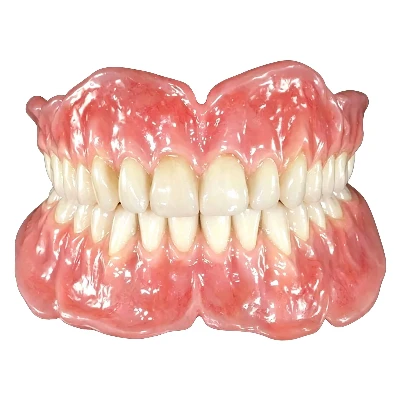
Different techniques serve specific purposes. Milling works well for zirconia, E.max, PMMA, and titanium components because it delivers consistent density from solid blanks. 3D printing suits models, surgical guides, try-ins, temporary restorations, and denture bases.
Post-processing includes sintering for zirconia (with controlled shrinkage compensation), crystallization for lithium disilicate, staining, glazing, and polishing. Quality control checks fit, contacts, occlusion, shade, surface finish, and implant interfaces on physical models or articulators.
Digital manufacturing raises consistency across batches, yet final quality still hinges on finishing steps and rigorous QC.
Key Dental Technologies Modern Dentists Should Understand
Dentists benefit from understanding core tools without needing to master every detail. Focus stays on how each element influences daily cases.
Digital Impressions and Intraoral Scanning
Intraoral scanners replace traditional impressions with faster, more comfortable data capture. They reduce distortion risks from material shrinkage or transport and speed up file transfer to labs, especially useful for international outsourcing.
Limitations persist. Unclear margins, soft tissue interference, saliva, or inaccurate bite records still affect outcomes. Practices that establish consistent scanning protocols see the biggest gains.
CAD/CAM Dentistry
CAD/CAM applies across single crowns, bridges, implant restorations, zirconia units, E.max restorations, PMMA temporaries, and All-on-X provisionals. The process improves control over fit and contours compared with hand waxing, but it does not replace technician evaluation of occlusion or esthetics.
3D Printing, CBCT, and AI-Assisted Tools
3D printing excels for models, surgical guides, try-ins, temporaries, and resin-based applications. CBCT supports implant planning by revealing bone volume and anatomy. AI tools aid image analysis, design suggestions, and quality checks.
These technologies support decisions. They do not replace the dentist's clinical judgment or the technician's hands-on expertise.
Dental Materials and Technology: Why the Workflow Matters
Material performance depends on case selection, design parameters, processing, and finishing rather than brand name alone.
Zirconia Restorations
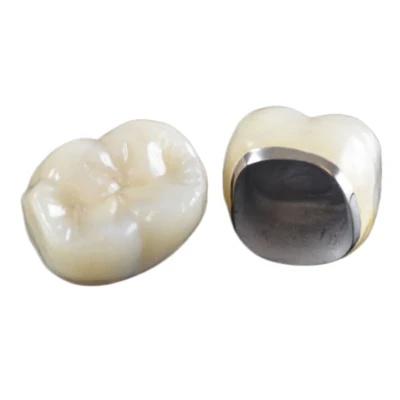
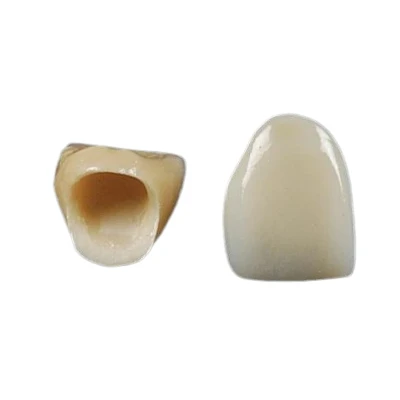
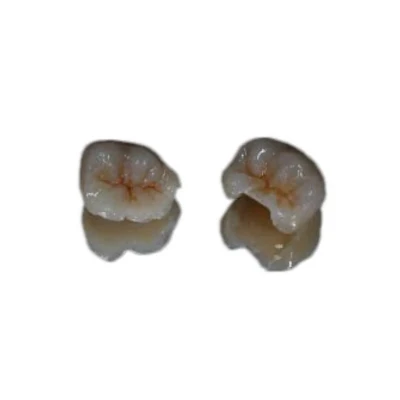
Zirconia offers high strength for posterior crowns, bridges, and implant cases, including some longer spans. Success requires proper thickness design, accurate sintering cycles, staining, glazing, and polishing. Inadequate polishing can increase wear on opposing teeth. Not every zirconia formulation suits every clinical situation.
Lithium Disilicate / E.max Restorations
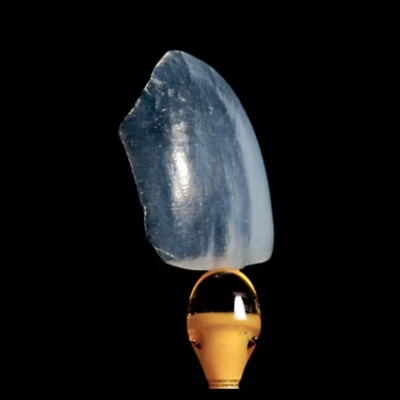
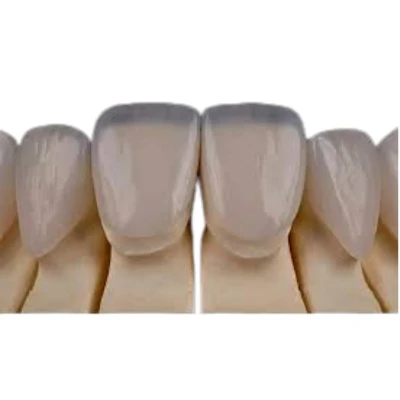
Lithium disilicate materials like E.max deliver excellent esthetics for anterior teeth, veneers, inlays, and some single crowns. Outcomes rely on adequate thickness, bonding protocols, underlying tooth color, and occlusal management. Crystallization, staining, and surface treatment determine final appearance.
PMMA, Titanium, and Implant-Related Restorations
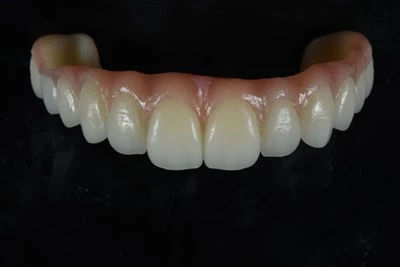
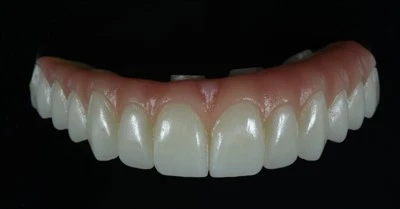
PMMA serves well for temporary crowns, bridges, All-on-X provisionals, soft tissue shaping, and occlusal testing. Titanium bars provide strength and passive fit in full-arch implant cases. Implant restorations demand attention to system compatibility, screw-channel design, emergence profiles, and soft tissue contours. These cases involve more than placing a crown-they integrate multiple variables for long-term stability.

How Dental Technology Improves Restorative Outcomes
Technology shows its worth in measurable clinical results.
Better Fit, Margins, and Contacts
Accurate scans, clear margin definition in CAD, precise milling, and controlled sintering shrinkage lead to restorations with tighter marginal adaptation and better contacts. Digital workflows reduce variables that cause open margins or overhangs common in traditional processes.
More Predictable Occlusion and Esthetics
Digital bite records provide better starting data, yet technician adjustments still ensure functional occlusion. For anterior cases, esthetics depend on shape, translucency, surface texture, and symmetry. Digital shade guides help, but high-quality photos and clear communication remain essential.
Fewer Remakes and Faster Lab Communication
Digital files transfer instantly. Labs can share design previews for approval before production. Issues surface early rather than after delivery. Archived digital cases simplify future remakes or adjustments. Long-term partnerships allow labs to learn a dentist's preferences, further lowering remake rates.
Traditional vs Digital Dental Workflow: What Has Really Changed?
Traditional Workflow vs Digital Workflow
|
Contrast Dimension |
Traditional Workflow |
Digital Workflow |
|
Data Collection |
Physical impressions and stone models |
Intraoral scans, photos, CBCT, digital bite records |
|
Data Transfer |
Shipping models |
Online STL/PLY/OBJ/DCM file upload |
|
Design |
Hand waxing or partial digital |
Full CAD design |
|
Manufacturing |
Casting, pressing, manual finishing |
Milling, 3D printing, hybrid techniques |
|
Communication |
Phone, email, mailed photos |
Digital previews, screenshots, real-time feedback |
|
Reproducibility |
Limited by physical model condition |
Digital files stored and reused |
|
Main Risks |
Impression distortion, shipping damage |
Scan quality, data completeness, software compatibility |
Digital workflows cut turnaround times and remake frequency when inputs are strong.
What Digital Dentistry Does Not Solve Automatically
Digital tools do not guarantee accuracy on their own. A flawed scan amplifies errors later. CAD cannot override poor clinical preparation. Low-cost labs with equipment but weak processes still deliver inconsistent results. Technology accelerates both good and bad workflows.
Digital technology makes good workflows faster. It also makes poor inputs fail faster.
Should Dentists Invest In-House or Work with a Digital Dental Lab?
What Makes Sense to Keep In-House
Practices gain most by investing in intraoral scanners, high-quality photography protocols, basic digital communication tools, patient education visuals, and CBCT for implant-heavy offices. These directly improve data capture and case documentation.
What Often Makes Sense to Outsource
Complex cases benefit from specialized lab capabilities: multi-unit zirconia bridges, high-esthetic anterior work, E.max restorations, implant crowns, screw-retained restorations, titanium bars, All-on-X temporaries, and challenging occlusal situations. Professional labs handle larger volumes with dedicated equipment and experienced teams.
Not every digital technology needs to sit inside the dental practice. A strong clinic-lab partnership often delivers better practicality than full in-house production.
What to Look for in a Digital Dental Lab Partner
Choose partners that accept major file formats from 3Shape, Medit, iTero, and exocad ecosystems. They should demonstrate capability with zirconia, E.max, PMMA, and implant work, maintain clear QC processes, provide pre-production feedback, offer reliable communication, and commit to consistent delivery times. Long-term outsourcing stability counts more than single low-price orders.
Common Mistakes Dentists Make When Evaluating Dental Technology
Mistake 1: Focusing Only on Equipment
Hardware is the starting point. Results depend on scan quality, design decisions, material handling, finishing, and QC.
Mistake 2: Assuming Digital Means Accurate
Digital systems improve repeatability, but unclear margins, inaccurate bite records, missing shade data, or incomplete implant details still cause problems.
Mistake 3: Choosing a Lab Based Only on Price
Price matters, yet remake rates, communication speed, consistency, material reliability, and delivery dependability drive long-term costs. Stable partners reduce hidden expenses from adjustments and lost chair time.

Conclusion
Dental technology delivers results when it creates predictable workflows rather than chasing novelty. Quality emerges from solid data, thoughtful design, proper material selection, skilled technician input, and thorough quality control.
For overseas dentists and dental laboratories seeking stable support, a specialized digital partner like ADS Dental Laboratory Ltd provides reliable digital workflows, custom restorations, and long-term outsourcing cooperation. We handle complex cases with clear communication and dependable delivery.
Contact us today to discuss how our team can support your practice with consistent, high-quality restorations.
FAQ
What is dental technology in simple terms?
Dental technology includes the tools, software, materials, equipment, and workflows used to diagnose, plan, design, fabricate, and deliver dental treatment and restorations.
How does digital dental technology help dentists?
It improves data quality, speeds communication with labs, supports better restoration design, reduces remakes, and enables efficient outsourcing partnerships.
Is CAD/CAM dentistry better than traditional dentistry?
CAD/CAM offers more control when data is accurate, design is sound, materials are appropriate, and lab processes are stable. It complements rather than replaces clinical expertise.
What technologies are used in a modern dental lab?
Modern digital dental laboratories rely on CAD design, CAM milling, 3D printing, sintering, crystallization, staining, glazing, polishing, and multi-step quality control.
Can dentists outsource digital dental restorations overseas?
Yes. Reliable overseas labs that support standard digital files, maintain clear communication, follow strict QC, and deliver consistently make strong long-term partners for many practices.