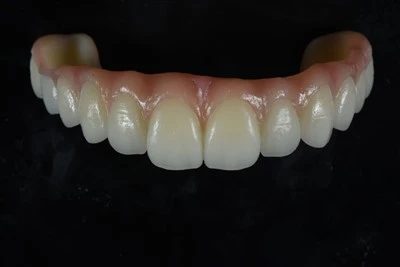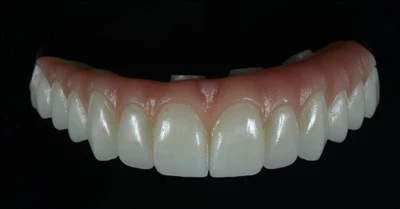
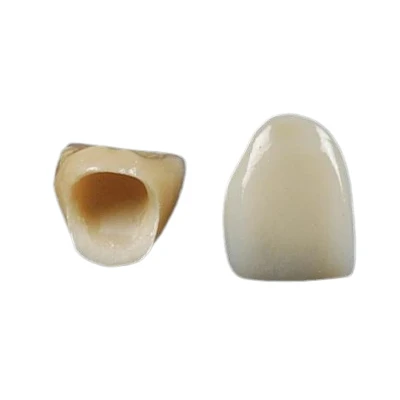
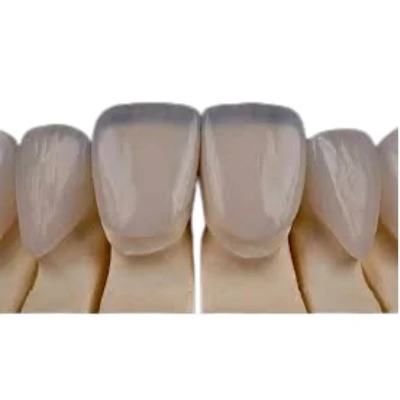
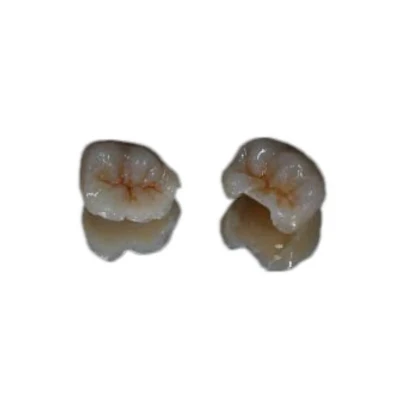
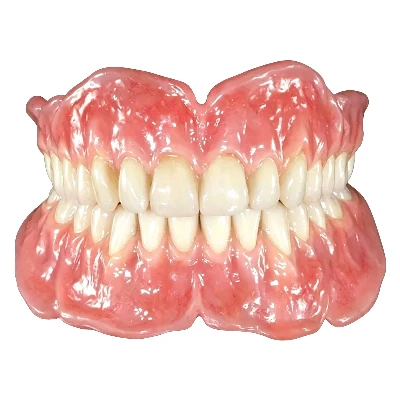


Dental crowns and bridges serve distinct purposes in restorative dentistry. A crown restores a single damaged tooth, covering it to regain strength and function. A bridge replaces one or more missing teeth, connecting to adjacent teeth or implants to restore bite stability and dental alignment.
The choice between a crown and a bridge affects treatment outcome, durability, and long-term oral health. Selecting the wrong material or restoration type can result in premature failures, excessive wear, or aesthetic compromise. This article examines the key factors, materials, and clinical considerations that guide the decision-making process for specific cases.

Key Factors in Crown & Bridge Selection
Selecting the correct restoration is not a matter of preference-it depends on several measurable clinical factors.
Tooth Position (Anterior vs Posterior)
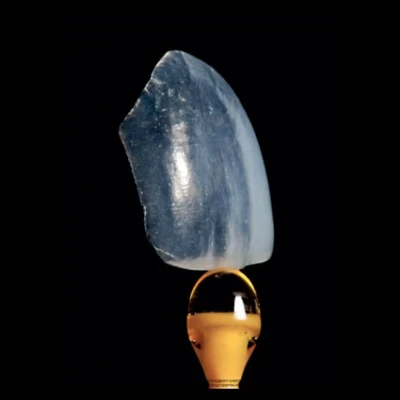
Anterior teeth are primarily concerned with aesthetics. Materials must match natural translucency and color. Lithium disilicate or layered zirconia crowns are commonly used because they combine sufficient strength with lifelike appearance.
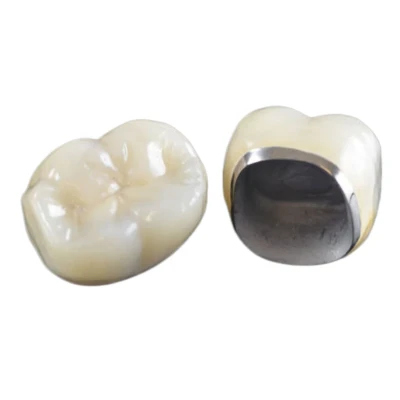
Posterior teeth face higher occlusal loads. Full-contour zirconia or PFM crowns are preferred for molars to withstand chewing forces without chipping.
Position dictates both material and design. Front teeth prioritize translucency; back teeth prioritize strength.
Occlusal Load & Bite Force
High bite forces or parafunctional habits influence material selection. For example, a patient with nocturnal bruxism requires a material with fracture toughness above 800 MPa, typically monolithic zirconia.
Long-span bridges in posterior regions need reinforced connectors and a framework capable of distributing load evenly. Ignoring load parameters can lead to early fractures or bridge failure.
Patient-Specific Factors
The patient's oral and systemic condition shapes restoration choice:
- Periodontal health: Bridges require stable abutment teeth; crowns need solid tooth structure. Periodontally compromised teeth may necessitate implant solutions.
- Caries risk and hygiene capability: Daily cleaning under bridges or around crowns determines long-term success.
- Economic considerations: Material selection balances cost against expected lifespan. Short-term budgets may favor PFM bridges for posterior molars; long-term stability may justify implant-supported restorations.
The combination of load, position, and patient conditions establishes the foundation for restoration planning.
Types and Materials of Crowns & Bridges
Material selection defines longevity, aesthetics, and mechanical performance. The following table summarizes key options:
|
Restoration Type |
Advantages |
Limitations |
Typical Use Cases |
|
All-Ceramic Crown |
Excellent aesthetics, biocompatible |
Lower fracture strength, higher cost |
Anterior teeth, aesthetic zones |
|
Zirconia Crown |
High strength (>800MPa), durable |
Slightly less translucent |
Posterior teeth, bruxism patients |
|
PFM / Porcelain-Fused Metal |
Strong, predictable longevity |
Less natural appearance |
Posterior teeth, budget-conscious |
|
Cobalt-Chrome Porcelain Bridge |
Cost-effective, strong |
Aesthetic compromise, metal ion release |
Posterior multi-unit restoration |
|
All-Ceramic Bridge |
Natural color, biocompatible |
Requires strong abutments |
Short-span anterior bridge |
|
Implant-Supported Bridge |
Independent support, preserves adjacent teeth |
Higher upfront cost, surgical planning |
Multi-unit missing teeth, compromised abutments |
Bridges vary by support design: traditional, cantilever, Maryland, and implant-supported. Traditional bridges rely on adjacent teeth on both sides, cantilever on one side, Maryland attaches with resin-bonded metal or porcelain wings, and implant bridges use endosseous implants as support.
Selecting the right material and bridge type is a balance between load, aesthetics, and supporting structures.
Clinical Case-Based Recommendations
Single-Tooth Restoration
For a molar following root canal treatment, a monolithic zirconia crown provides fracture resistance and wear stability. Front teeth with discolored enamel may be restored using lithium disilicate or layered zirconia for natural translucency.
The restoration must reinforce the tooth while respecting aesthetics and functional demands.
Multiple-Tooth / Long-Span Bridges
Consider a lower posterior span of three missing teeth with healthy abutments: a cobalt-chrome PFM bridge offers sufficient strength at moderate cost. If the adjacent teeth are compromised, an implant-supported bridge distributes occlusal forces without relying on the neighboring dentition. Digital planning systems like Apollo3D can simulate load distribution and minimize stress on implants.
Bridge planning must integrate abutment quality, span length, and load management.
Implant-Supported Restorations
Screw-retained or cemented implant crowns/bridges must account for precise digital fit and passive seating. Bone quality, implant distribution, and prosthetic material determine longevity. Single implant crowns reduce strain on neighboring teeth; multi-unit implant bridges handle longer spans efficiently when natural teeth cannot support a conventional bridge.
Implants offer long-term stability when natural abutments are insufficient or absent.
Treatment Workflow: From Consultation to Final Placement
The workflow follows sequential steps:
- Tooth preparation or abutment assessment
- Impression or digital scan acquisition
- Temporary restoration placement
- CAD/CAM design and milling
- Fitting, adjustment, and cementation
Temporary crowns or bridges maintain function and aesthetics during fabrication. CAD/CAM systems improve precision, but proper bite registration and occlusal analysis remain essential.
A structured workflow ensures predictable fit, minimal remakes, and consistent aesthetics.
Dental Lab Outsourcing Considerations
When outsourcing crown and bridge fabrication, assess the lab's capabilities:
- Material inventory and brands
- CAD/CAM expertise and digital workflow
- Quality control and shade matching
- Communication and remake policies
- International shipping experience
Reliable lab collaboration reduces delays, ensures consistent outcomes, and mitigates risk of remakes.
Clinical Submission Checklist
To facilitate lab workflow:
- Tooth position and type
- Material preference and shade
- Margin type and preparation details
- Occlusal records and bite registration
- Implant system and abutment information (if applicable)
- Expected delivery timeframe
Complete case information allows precise fabrication and minimizes adjustments after delivery.

Conclusion
Selecting the right dental crown or bridge requires integrating tooth position, occlusal forces, patient-specific conditions, material properties, and treatment objectives. Single crowns address damaged teeth, multi-unit bridges restore missing teeth, and implants support cases where natural abutments are inadequate.
Partnering with a capable digital dental laboratory ensures precise fabrication, efficient communication, and predictable outcomes. Contact ADS Dental Laboratory Ltd to discuss your case and determine the optimal crown and bridge solution for your clinical needs.

FAQ
Which crown material is best for bruxism patients?
High-strength zirconia crowns resist fractures and wear, suitable for patients with nocturnal grinding.
Can zirconia bridges be used for long-span cases?
Yes, provided connector design and occlusal distribution are optimized.
Screw-retained or cemented implant crowns – which is preferred?
Screw-retained allows retrievability, while cemented may offer slightly better aesthetics; decision depends on implant angle and occlusion.
How to communicate shade and design preferences to a lab?
Provide digital scans, photographs under consistent lighting, and clear specifications on translucency, margin design, and occlusal anatomy.