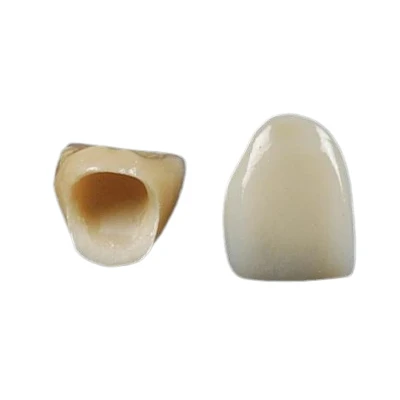
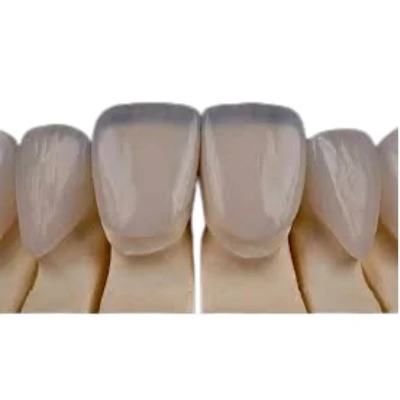
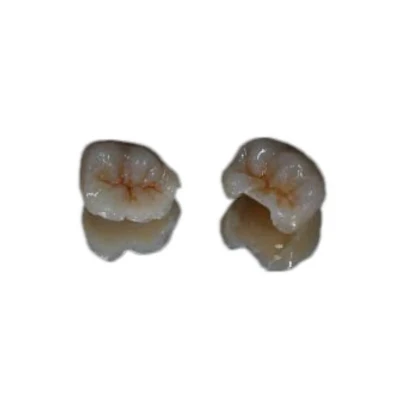
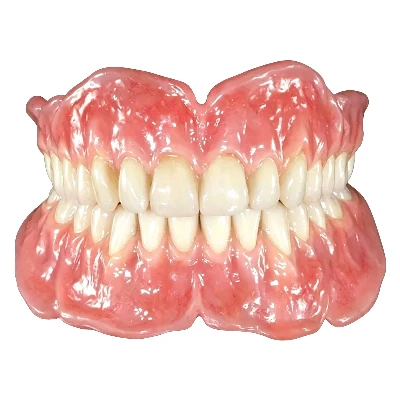


Busy dental practices face a constant challenge: balancing patient care with the production of dental restorations such as crowns, bridges, dentures, and implants. Setting up and running an in-house dental laboratory demands significant investment in equipment, materials, trained technicians, and maintenance. The question many clinics face is whether outsourcing lab work can provide a reliable solution without compromising quality or patient experience.
Dental lab outsourcing refers to the practice of contracting an external laboratory to fabricate dental restorations. These labs may be local or overseas, but the model is increasingly dominated by digitalized laboratories capable of handling high volumes with advanced technology. Outsourcing shifts the production responsibility away from the clinic, allowing dentists to focus on treatment planning and patient care.

What is Dental Lab Outsourcing?
Dental lab outsourcing is more than sending impressions to a third party. It involves a workflow where physical impressions or digital scans are transmitted to a specialized lab, which then produces restorations and ships them back for delivery. Digital communication, CAD/CAM design, and 3D printing are common components of modern outsourced workflows.
This approach applies to a range of practices-from small clinics seeking cost efficiency to large practices looking to expand treatment offerings without adding in-house technical staff. By delegating the fabrication process, clinics avoid investing in expensive milling machines, sintering furnaces, or CAD software. For overseas laboratories, shipping times are offset by expedited logistics and digital file transfers, making distance less of a barrier.
Dental lab outsourcing allows busy practices to delegate restorative production, freeing up time and resources to focus on patient care.
Key Benefits of Dental Lab Outsourcing
Cost Efficiency
Outsourcing reduces upfront investment and operational overhead. Maintaining an in-house lab often requires:
- Milling machines, 3D printers, sintering furnaces
- Dedicated lab space and maintenance
- Full-time technicians trained in advanced dental materials
By comparison, external labs can spread these costs across multiple clients. For example, a Chinese digital lab serving North American practices can produce a full-ceramic crown for $50–$150, while the average in-house cost in the U.S. may exceed $200. Bulk material procurement, such as zirconia blocks and resin composites, further reduces per-unit costs by 20–30%.
Flexible pricing models-per-unit, flat-rate, or tiered-allow clinics to align lab spending with patient volume. Clinics that previously struggled with unpredictable production costs find budgeting easier. Capital can be redirected to chairside efficiency or patient-facing services without sacrificing restoration quality.
Access to Specialized Expertise
External dental labs employ technicians who focus exclusively on restorative production. These professionals frequently:
- Work with digital workflows including CAD/CAM milling, 3D printing, and AI-assisted bite analysis
- Stay updated on new materials such as nano-zirconia or hybrid ceramics
- Specialize in custom shading, implant abutments, and full-arch reconstructions
A typical lab team may assign 8–10 technicians to a single crown, each focusing on a precise stage of production. This specialization ensures consistent quality and reproducible results across large batches.
Specialized lab technicians deliver precise, customized restorations that elevate patient satisfaction and clinical outcomes.
Improved Turnaround Times
Digital communication and streamlined lab workflows shorten production cycles. A standard crown may be completed in 2–3 days, compared to 1–2 weeks in a conventional in-house setting. Emergency or priority cases can be flagged and expedited.
Logistics for overseas labs often involve regional hubs near major ports, reducing shipping time to 1–2 days in many cases. Combined with cloud-based case tracking, dentists receive visibility over order progress, allowing better scheduling of appointments and patient follow-ups.
Enhanced Quality Control
High-volume labs maintain rigorous quality assurance standards:
- ISO 9001 or ISO 13485 certifications
- Batch inspection and audit protocols
- Material verification and equipment calibration
Quality control reduces rework rates, protects patient trust, and ensures that restorations meet clinic specifications consistently.
Outsourced labs implement rigorous quality control, ensuring reliable outcomes and consistent patient results.
Cost Analysis of Dental Lab Outsourcing
|
Cost Component |
In-House Lab |
Outsourced Lab |
Notes |
|
Full-Ceramic Crown |
$200–$300 |
$50–$150 |
Chinese digital labs serving overseas clients |
|
Denture |
$500–$800 |
$200–$400 |
Includes material and technician labor |
|
Equipment Investment |
$50k–$150k |
0 |
Outsourcing avoids capital expenditure |
|
Logistics |
N/A |
$5–$10 |
Express shipping from Asia |
|
Maintenance & Training |
High |
Included |
Labor and tech updates managed by lab |
Indirect costs include communication delays, potential quality mismatches, and intellectual property considerations. Clinics mitigate these by selecting labs with multilingual support, standardized reporting, and formal agreements on data and design ownership.
Outsourcing costs are predictable and often lower than maintaining an in-house lab, making it financially advantageous for busy practices.
Who Should Consider Dental Lab Outsourcing?
Practices facing high patient volume or limited in-house technical capacity benefit most. Small clinics can save 30–50% on production costs without compromising care. Larger practices can expand treatment offerings-cosmetic veneers, full-mouth reconstructions, or implant-supported restorations-without adding staff.
Practice Size & Case Volume Considerations
- Small clinics: Reduce capital expenditure, avoid hiring specialized technicians
- Medium clinics: Handle peak demand without delays, improve patient throughput
- Large clinics: Offer advanced restorations without expanding in-house lab capacity
Outsourcing is ideal for busy practices seeking operational efficiency without sacrificing quality, regardless of size or patient volume.
How to Choose the Right Dental Lab Partner
Key considerations include:
- Quality Certifications: ISO, CE, or FDA approval
- Turnaround Reliability: History of meeting deadlines consistently
- Communication Efficiency: Cloud platforms, digital file transfers, multilingual support
- Cost Transparency: Clear pricing structures aligned with clinic volume
Many overseas labs in China have adopted digital workflows and cloud-based platforms that allow real-time case tracking, batch reporting, and expedited shipping to North America, Europe, and Australasia. Clinics often partner with two or three labs to reduce dependency and manage supply chain risks.
Selecting a reliable lab partner ensures high-quality, timely restorations while minimizing operational risks.
Conclusion
Dental lab outsourcing allows busy practices to save costs, improve efficiency, and maintain consistent restoration quality. Clinics can focus on patient care while accessing specialized expertise, modern equipment, and flexible production capacity.
Partnering with a digital lab, especially one experienced in serving overseas clients, offers predictable costs, faster turnaround, and reliable quality. If your practice aims to expand treatment options without overloading in-house resources, consulting a specialized dental lab can be the next step.
Contact ADS Dental Laboratory Ltd to discuss how our digital lab services can support your clinic with efficient, high-quality restorative solutions.

FAQ
How fast is the turnaround for outsourced dental work?
Digital labs can deliver crowns in 2–3 days. Priority cases may be completed within 24–48 hours.
Can outsourcing compromise the quality of my restorations?
Choosing certified labs with standardized QA processes prevents quality lapses. Case audits and batch inspection reports provide additional assurance.
Is outsourcing cost-effective for small practices?
Yes. By eliminating equipment investment and full-time technicians, outsourced lab costs are often 30–50% lower than in-house production.
How do I communicate my requirements to an overseas lab?
Cloud-based platforms, digital scans, and clear design instructions, combined with multilingual support, ensure accurate and timely production.