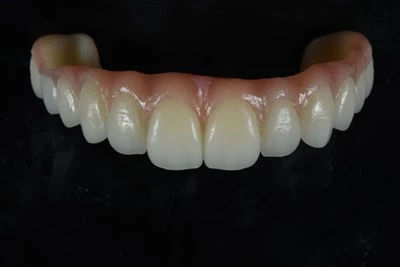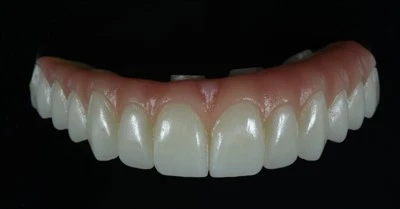
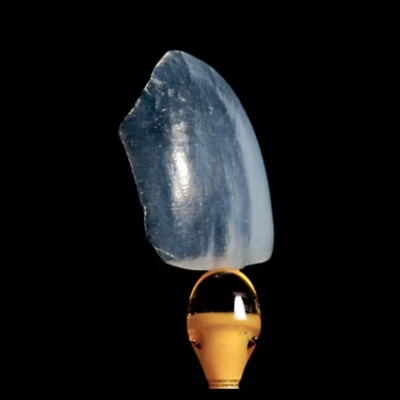
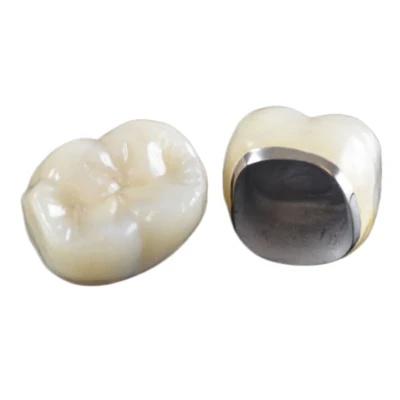


Zirconia crowns are often worth recommending when strength, fracture resistance, and long-term function matter more than maximum translucency. They are particularly useful for posterior teeth, patients with heavy occlusion, bruxers, and cases involving dark preparations or metal-free requirements.
They are not the automatic choice for every tooth. An anterior crown with demanding shade-matching requirements may be better restored with high-translucency zirconia, layered zirconia, or lithium disilicate.
The value of zirconia depends on case selection, material type, preparation, occlusion, and laboratory execution.

Are Zirconia Crowns Worth It?
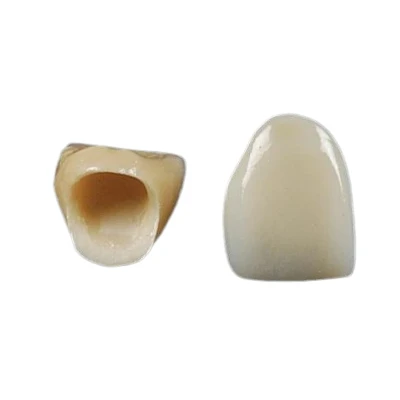
A zirconia crown is a full-coverage dental restoration made from zirconium dioxide, a high-strength polycrystalline ceramic processed through a CAD/CAM workflow. Unlike porcelain-fused-to-metal crowns, it does not require a metal coping beneath the ceramic.
For many posterior and high-load cases, zirconia is worth the additional cost.
Its main clinical value comes from four areas:
- High resistance to fracture
- Low risk of veneering porcelain chipping when used monolithically
- Good masking ability
- Metal-free construction
Zirconia is not valuable simply because it is strong. A crown can be made from a strong material and still fail because of poor margins, insufficient thickness, inaccurate occlusion, inadequate bonding, or a rough adjusted surface.
Dentists should therefore judge zirconia by how well it fits the case, not by the material name alone.
A patient with a heavily restored lower molar, strong bite force, and a history of cracked porcelain may gain clear value from a monolithic zirconia crown. A patient who needs a highly translucent single central incisor may not.
The correct answer is conditional but clear: zirconia is worth recommending when its mechanical and optical properties match the clinical priorities of the tooth.

What Makes Zirconia Crowns Different?
"Zirconia" does not describe one uniform restorative material. Dental zirconia is available in several formulations and restoration designs, each with different levels of strength, translucency, masking ability, and clinical indication.
This distinction matters. A high-strength posterior zirconia crown and a high-translucency anterior zirconia crown should not be prescribed as though they are interchangeable.
High-Strength Monolithic Zirconia
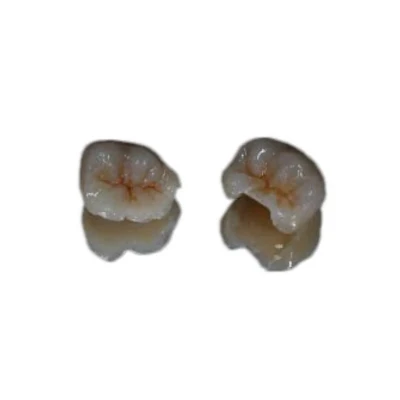
Monolithic zirconia is milled as a full-contour restoration without a separate veneering porcelain layer. Some high-strength zirconia formulations report flexural strength in the range of approximately 900 to 1,200 MPa, although the value depends on the product, composition, thickness, and testing method.
Its main advantages are mechanical reliability and structural simplicity.
Because there is no separate porcelain veneer, monolithic zirconia avoids the traditional chipping mode associated with layered ceramic restorations. This makes it particularly useful for:
- Posterior crowns
- High-bite-force patients
- Bruxers
- Cases with limited restorative space
- Patients with a history of ceramic chipping
High-strength zirconia is usually less translucent than glass ceramics. That can be a limitation in the anterior region, but it can also help mask a dark preparation, metal post, or discolored abutment.
High-Translucency Zirconia
High-translucency zirconia is designed to transmit more light and provide a more natural appearance than traditional high-strength zirconia.
It is often used for premolars, visible posterior teeth, and selected anterior crowns. However, improved translucency may come with changes in mechanical properties. The most translucent zirconia is not automatically the best choice for a molar, long-span bridge, or severe bruxism case.
The dentist and laboratory must balance:
- Required strength
- Restoration thickness
- Tooth position
- Abutment color
- Occlusal load
- Esthetic expectations
Layered Zirconia
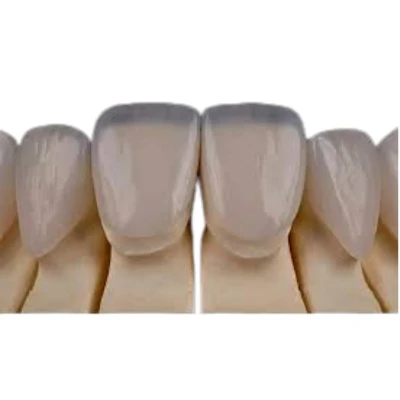
Layered zirconia combines a zirconia framework or core with veneering porcelain. The zirconia provides support and masking, while the porcelain adds depth, surface texture, translucency, and individualized incisal effects.
This design can produce excellent esthetics, especially when the technician needs greater control over the facial surface.
The trade-off is that the veneering porcelain introduces another possible failure mode: chipping or delamination. Layered zirconia therefore requires careful framework support, sufficient ceramic thickness, controlled occlusion, and skilled laboratory work.
Material selection should begin with the clinical objective. High-strength monolithic zirconia prioritizes function. High-translucency and layered designs give the laboratory more options when esthetics become equally important.
When Should Dentists Recommend Zirconia Crowns?
Zirconia is most predictable when the clinical problem matches its strengths. Dentists should recommend it deliberately, not by habit.
Posterior Crowns and High-Bite-Force Cases
Molars and premolars are exposed to substantial chewing forces. In some patients, posterior bite forces may reach several hundred newtons and can be higher in individuals who clench or grind.
High-strength monolithic zirconia is well suited to these conditions because it can tolerate heavy occlusal loading while reducing the risk of veneering porcelain fracture.
Typical indications include:
- Heavily restored molars
- Teeth with large existing fillings
- Endodontically treated posterior teeth requiring cuspal coverage
- Cracked or fractured posterior teeth
- Patients with repeated porcelain chipping
- Posterior implant crowns
The crown still needs adequate material thickness, smooth internal geometry, and properly distributed occlusal contacts. Zirconia cannot compensate for a preparation that leaves the restoration too thin or creates concentrated stress at one point.
For posterior teeth, zirconia is often most valuable when strength and reliability are more important than maximum light transmission.
Patients With Bruxism or Heavy Occlusion
Bruxism places repeated lateral and vertical stress on crowns, opposing teeth, implants, and supporting structures. Layered ceramic restorations may be especially vulnerable because the veneering porcelain can chip under repeated loading.
Monolithic zirconia is usually the more practical option in these cases.
That does not make it indestructible.
- A bruxer can still experience:
- Crown debonding
- Tooth fracture
- Implant component complications
- Excessive opposing-tooth wear
- Muscle or joint symptoms
- Fracture caused by inadequate material thickness
Occlusal analysis remains essential. The dentist should identify excursive interferences, confirm stable contacts, and consider a night guard when indicated.
The material reduces one category of risk. It does not remove the underlying parafunctional habit.
Dark Preparations, Metal Posts, and Implant Abutments
Opacity is often presented as a disadvantage of zirconia, but it becomes useful when the underlying tooth or abutment is dark.
Zirconia may be recommended when the restoration must mask:
- A severely discolored preparation
- A metal post and core
- A titanium implant abutment
- A darkened endodontically treated tooth
- Significant internal staining
The laboratory must select the correct translucency and shade strategy. A highly translucent restoration placed over a dark substrate can lose value, appear gray, or show excessive variation between the cervical and incisal areas.
Masking should be planned before production. The dentist should provide stump-shade photographs, shade-tab references, and information about the abutment material.
In these cases, lower translucency may produce a better result than the most esthetic-looking zirconia disc on a product brochure.
Patients Who Prefer a Metal-Free Crown
Zirconia provides a metal-free alternative to porcelain-fused-to-metal crowns. It avoids a metal coping and can reduce the risk of a gray cervical appearance caused by an underlying alloy.
It is also generally considered biocompatible and suitable for patients who prefer all-ceramic restorations or have concerns about metal-containing crowns.
The wording should remain precise. Zirconia has a low allergy risk, but no dental material should be described as universally reaction-free. An implant restoration may also contain titanium components even when the crown itself is zirconia.
The clinical advantage is clear: zirconia offers high strength without a metal substructure.

When May Zirconia Not Be the Best Choice?
Strength alone should not determine crown selection. Some cases need a material with different optical or adhesive properties.
Highly Esthetic Single Anterior Crowns
A single central incisor is one of the most demanding restorative cases. The crown must match the neighboring tooth in value, translucency, fluorescence, surface texture, incisal characterization, and light behavior.
Traditional high-strength monolithic zirconia may appear too opaque in this setting.
High-translucency or layered zirconia can improve the result, especially when the preparation is dark and needs masking. However, lithium disilicate may be the better option when:
- The preparation has a favorable color
- Natural translucency is a priority
- The adjacent tooth has complex incisal effects
- Strong adhesive bonding is part of the treatment plan
- The case does not involve excessive occlusal load
Zirconia can work well in the anterior region, but the correct version must be selected. "Anterior zirconia" should never be treated as a generic prescription.
Cases Requiring Strong Adhesive Bonding
Lithium disilicate is a glass ceramic that can be etched with hydrofluoric acid and bonded through a well-established adhesive protocol. This makes it particularly useful for veneers, partial crowns, onlays, and other conservative restorations that depend heavily on adhesive retention.
Zirconia does not respond to hydrofluoric acid in the same way. It requires its own surface-treatment and bonding strategy, often involving air abrasion, contamination control, and an MDP-containing primer or resin cement when adhesive bonding is needed.
For a full crown with good mechanical retention, zirconia may still be conventionally cemented with an appropriate luting material. For a short or poorly retentive preparation, the bonding plan should be considered before the material is selected.
The restoration design and retention strategy must support each other.
Cases With Poor Occlusal Control
Choosing a stronger ceramic does not correct an unstable bite.
Zirconia may fail when the case includes:
- Unmanaged bruxism
- A heavy excursive interference
- Insufficient clearance
- A thin unsupported area
- An inaccurate bite record
- Excessive contact on an implant crown
- Poorly planned canine or group guidance
The same caution applies to long-span bridges. The dentist and laboratory must confirm that the selected zirconia product is approved for the span, connector dimensions, and restoration design.
Zirconia should be avoided when the clinical conditions do not support the restoration, not simply because another material is more familiar.
Zirconia vs. E.max, PFM, and Other Crown Materials
No crown material is best in every category. The practical question is which material solves the main problem with the fewest predictable compromises.
|
Material |
Main strengths |
Main limitations |
Typical applications |
|
High-strength monolithic zirconia |
High fracture resistance, no veneering porcelain, strong masking |
Lower translucency than glass ceramics |
Molars, bruxers, high-load posterior cases |
|
High-translucency zirconia |
Better esthetics with useful strength |
Lower strength than some high-strength zirconias |
Premolars, visible posterior teeth, selected anterior crowns |
|
Layered zirconia |
Individualized esthetics and masking |
Veneering porcelain may chip |
Esthetic crowns with dark substrates |
|
Lithium disilicate |
High translucency and strong adhesive potential |
Less suitable for some severe high-load cases |
Anterior crowns, veneers, onlays, partial crowns |
|
Porcelain-fused-to-metal |
Long clinical history, good masking, broad applications |
Metal coping, possible gray margin, porcelain chipping |
Selected crown and bridge cases |
|
Full metal |
Excellent durability and conservative thickness |
Poor esthetics |
Non-visible posterior teeth |
Zirconia vs. E.max
E.max is a widely used lithium disilicate glass ceramic. It is valued for translucency, natural light transmission, and adhesive bonding.
Zirconia is generally preferred when:
- The tooth is posterior
- Occlusal load is high
- The patient grinds
- The preparation is dark
- A metal-free but high-strength crown is needed
E.max is often preferred when:
- Anterior esthetics dominate the treatment plan
- The preparation color is favorable
- The restoration is a veneer, onlay, or partial crown
- Adhesive bonding is central to retention
- The tooth is not exposed to severe functional loading
The choice should follow the case. Zirconia is not simply the "strong option," and E.max is not simply the "esthetic option." Thickness, design, substrate color, and bonding also affect the result.
Zirconia vs. Porcelain-Fused-to-Metal
PFM crowns have a long clinical history and can perform well when designed and fabricated correctly. Their metal coping provides strength and masking, while the veneering porcelain provides tooth color.
Zirconia avoids the metal coping and the related risk of a visible gray edge. Monolithic zirconia also avoids a separate veneering porcelain layer.
PFM may still be appropriate in selected cases involving specific bridge designs, existing metal restorations, limited laboratory systems, or clinician preference. Zirconia is often more attractive when the patient wants a metal-free restoration and the case benefits from monolithic construction.
Neither material succeeds without accurate margins, proper support, and controlled occlusion.
What Determines the Long-Term Success of a Zirconia Crown?
A well-selected zirconia material can still underperform if the clinical and laboratory steps are weak. Long-term success depends on the complete restorative system.
Preparation and Material Thickness
Zirconia preparations should provide:
- A clear, continuous finish line
- Rounded internal line angles
- Adequate occlusal and axial clearance
- Sufficient thickness for the selected material
- A path of insertion compatible with retention and seating
There is no single universal preparation depth for every zirconia crown.
High-strength monolithic zirconia may permit relatively conservative reduction in selected posterior cases. High-translucency and layered restorations may require different space to achieve the intended strength, contour, and optical effect.
The laboratory should not compensate for inadequate clearance by producing an overcontoured crown or thinning a critical occlusal area below the material recommendation.
Occlusal Design and Bruxism Management
Occlusion is a major determinant of long-term performance.
The crown should have stable centric contacts without isolated high points. Excursive contacts should be evaluated according to the patient's guidance pattern, tooth position, implant status, and parafunctional risk.
Implant crowns require particular care. Implants lack the periodontal ligament movement of natural teeth, so a heavy contact may create a different load pattern than the same contact on a tooth-supported crown.
For overseas laboratory cases, accurate bite records and clear clinical instructions are essential. The laboratory can design from the data provided, but it cannot reconstruct an unrecorded mandibular relationship.
Surface Finishing and Opposing-Tooth Wear
Zirconia is hard, but hardness alone does not determine how much it will wear the opposing tooth.
Surface roughness is more clinically important.
A well-polished zirconia surface can be relatively kind to opposing enamel. A surface that has been adjusted with a coarse diamond and not repolished can become abrasive.
After chairside adjustment, the dentist should use a zirconia-specific polishing sequence. The objective is to remove grinding marks and restore a smooth surface, not simply add glaze over a rough area.
The laboratory should also deliver the crown with a controlled surface finish and refined occlusal anatomy. Deep, sharp fossae and unnecessarily aggressive cusp morphology do not improve function.
Cementation and Laboratory Quality
Zirconia crowns with good retention may be cemented conventionally with an appropriate material. Short preparations, excessive taper, limited resistance form, or other compromised conditions may require adhesive bonding.
Contamination control matters. Saliva, phosphate-containing cleaning agents, and try-in procedures can affect the bonding surface. The cleaning and priming protocol should follow the selected cement manufacturer's instructions.
Laboratory quality is equally important. The final crown depends on:
- Accurate scan or impression data
- Correct margin identification
- Appropriate cement space
- Material-specific design
- Controlled milling and sintering
- Proper contacts
- Occlusal verification
- Staining, glazing, and polishing
- Final inspection before shipping
Good zirconia is not enough. It must be turned into a well-designed crown.

How Long Do Zirconia Crowns Last, and Are They Worth the Cost?
Zirconia crowns can provide long-term clinical service. Reported estimates often extend to 15 to 20 years or longer, but no dentist should present that range as a guarantee.
Longevity depends on:
- The condition of the supporting tooth
- Marginal fit
- Caries risk
- Periodontal health
- Occlusal load
- Bruxism
- Material thickness
- Cementation
- Oral hygiene
- Recall and maintenance
A crown may remain intact while the supporting tooth develops recurrent decay, periodontal disease, or fracture. Material survival and overall treatment success are not always the same outcome.
In the United States, patient fees for zirconia crowns are commonly reported in the approximate range of $1,200 to $2,500. Actual fees vary widely by region, clinic, insurance coverage, diagnostic needs, and case complexity.
The fee does not represent the ceramic alone. It may include preparation, temporization, scanning or impression procedures, laboratory work, delivery, occlusal adjustment, and follow-up.
Zirconia is worth the cost when it helps reduce predictable failures, repeat appointments, remakes, and chairside adjustments. A cheaper crown that fractures, chips, or requires repeated correction may create a higher long-term cost for the clinic and patient.
The most useful value calculation is not price per unit. It is predictable service per case.
A Practical Decision Framework for Dentists
A simple decision sequence can make zirconia selection more consistent.
1.Identify the tooth position. Posterior teeth usually place greater priority on strength. Anterior teeth require closer analysis of translucency and shade matching.
2.Assess occlusal risk. Bruxism, heavy musculature, limited clearance, and implant support increase the importance of mechanical design.
3.Evaluate the substrate. A dark preparation, metal post, or titanium abutment may require stronger masking.
4.Define the esthetic target. Decide whether the case requires basic shade integration, strong masking, or highly individualized translucency and incisal effects.
5.Confirm restorative space. Match the available reduction to the minimum thickness and design requirements of the selected material.
6.Review retention and bonding. Short preparations and limited resistance form may influence both material and cement selection.
7.Choose the restoration type. Select high-strength monolithic, high-translucency, layered zirconia, lithium disilicate, PFM, or another option based on the dominant clinical need.
A posterior bruxism case usually favors monolithic zirconia. A dark anterior preparation may favor masking zirconia with customized layering. A highly translucent single incisor with a favorable substrate may be better suited to lithium disilicate.
A practical framework should allow the dentist to choose zirconia confidently-and reject it when another material is more appropriate.
Conclusion
Zirconia crowns are worth recommending when the case requires high fracture resistance, posterior reliability, strong masking, or a metal-free full-coverage restoration. They are especially useful for molars, high-bite-force patients, bruxers, dark preparations, and selected implant restorations.
They are not a universal replacement for every ceramic material. Anterior esthetics, restorative space, retention, substrate color, and occlusion must still guide the final choice.
ADS Dental Laboratory Ltd is a china-based full service dental laboratory providing custom zirconia crowns, bridges, implant restorations, and other dental prostheses for overseas dentists and dental laboratories. Contact our team to discuss material selection, digital case submission, or a long-term dental restoration outsourcing partnership.
FAQ
Are zirconia crowns good for front teeth?
Yes, but the material must be selected carefully. High-translucency and layered zirconia can work well in the anterior region, especially when masking is needed. For a single highly esthetic incisor with a favorable preparation color, lithium disilicate may provide more natural light behavior.
Are zirconia crowns good for bruxism?
High-strength monolithic zirconia is often a reliable option for bruxers because it avoids a separate veneering porcelain layer. It does not eliminate the need for occlusal management, adequate thickness, and a protective night guard when indicated.
Do zirconia crowns wear opposing teeth?
They can, particularly when the surface is rough or has been adjusted without proper repolishing. A smooth, well-polished zirconia surface generally creates less risk than a rough ceramic surface with grinding marks.
Can zirconia crowns break?
Yes. Zirconia has high fracture resistance, but no ceramic crown is unbreakable. Insufficient thickness, severe overload, unsupported design, manufacturing defects, and inaccurate occlusion can still lead to failure.
Is zirconia better than E.max?
Not in every case. Zirconia is usually stronger and more suitable for heavy posterior loading. E.max often provides better translucency and adhesive potential for anterior and conservative restorations. The better material is the one that matches the case.