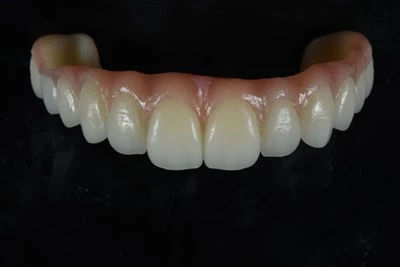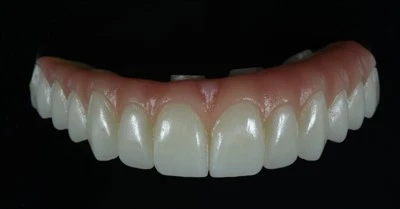
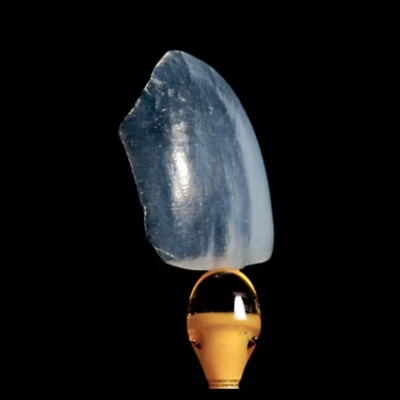
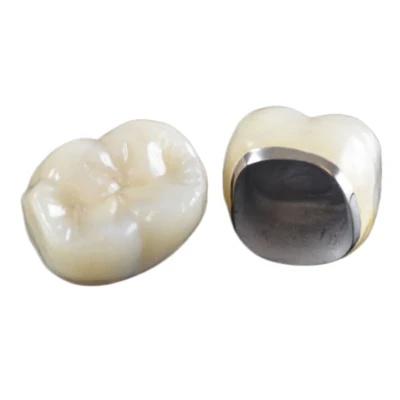



Patient satisfaction in dentistry is the patient's overall judgment of the care, treatment process, and final result they receive. Friendly service matters, but it cannot compensate for a crown that feels high, a veneer that looks unnatural, or a restoration that must be remade.
Quality dental work combines sound diagnosis, appropriate treatment planning, accurate clinical procedures, reliable laboratory fabrication, and responsive aftercare. When these elements work together, patients experience fewer delays, greater comfort, and more confidence in the practice.
Why Quality Dental Work Directly Affects Patient Satisfaction
Most patients cannot evaluate a crown margin, proximal contact, or occlusal design in technical terms. They judge the outcome through what they can see and feel.
They notice whether:
- The restoration feels comfortable when they bite
- Dental floss passes normally between teeth
- Food becomes trapped around the restoration
- The color and shape look natural
- Treatment is completed on schedule
- Additional adjustments or remakes are required
- Their questions are answered clearly
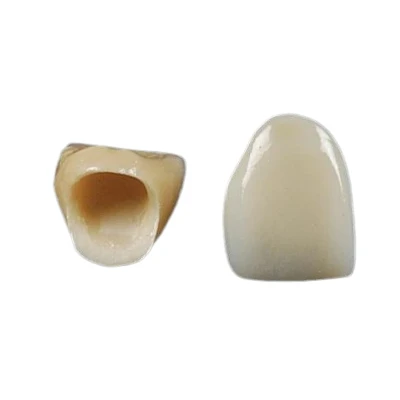
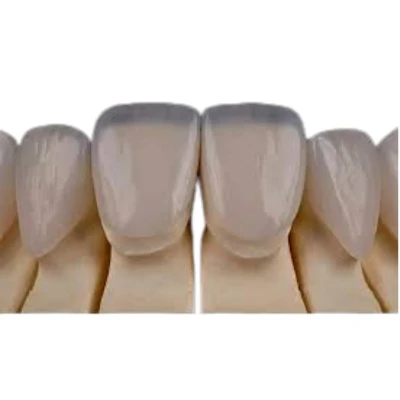
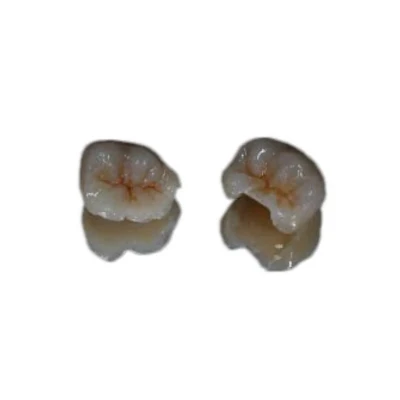
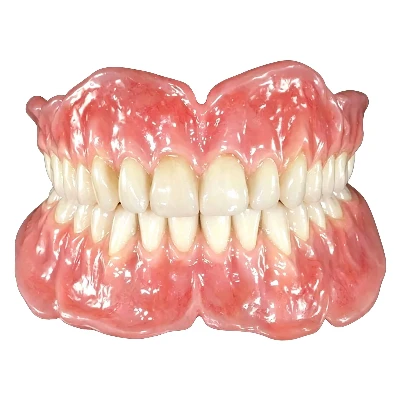
A restoration may meet basic clinical requirements and still leave the patient dissatisfied. An anterior crown with acceptable margins may look too opaque. A posterior crown may seat fully but feel uncomfortable during chewing. A denture may be technically complete but difficult for the patient to clean or wear.
Patient satisfaction therefore includes both clinical quality and patient-reported experience.
Consistent results also influence the long-term performance of a dental practice. Patients who trust the treatment process are more likely to complete recommended care, return for maintenance, and refer other patients. Quality is not limited to the restoration itself. It is reflected in every step from diagnosis to follow-up.
1. Communicate Clearly and Set Realistic Expectations
Clear dental communication means explaining the diagnosis, treatment options, risks, limitations, and expected results in language the patient can understand. It also requires listening to what the patient actually wants from treatment.
A patient asking for a new anterior crown may be concerned mainly about color. Another may care more about durability, treatment time, or the amount of tooth reduction. These priorities affect treatment planning and should be identified before preparation begins.
Avoid relying only on technical terms such as "monolithic zirconia," "incisal translucency," or "subgingival margin." Explain what those terms mean for the patient.
For example:
- A high-strength zirconia crown may be suitable for a heavily loaded posterior tooth.
- A layered or more translucent ceramic may offer greater aesthetic flexibility in a visible area.
- A darker underlying tooth or metal post may limit how translucent the final restoration can be.
- A complex shade match may require additional photographs, a custom shade appointment, or a second try-in.
Visual information is often more effective than a long explanation. Intraoral photographs, radiographs, digital models, diagnostic wax-ups, mock-ups, and provisional restorations can help patients understand the current condition and the planned result.
This is especially important in cosmetic dentistry. Patients may bring photographs of a celebrity smile or digitally edited teeth. Those references can help identify preferences, but the final design must still fit the patient's facial features, lip position, existing dentition, periodontal condition, and available restorative space.
Treatment limitations should be discussed before the definitive restoration is made. That includes possible shade compromises, the number of appointments, the need for tissue healing, and the possibility of minor chairside adjustment.
Good communication does not guarantee that every patient will choose the same treatment. It ensures that the patient understands the decision and is less likely to feel surprised by the result.
2. Personalize the Treatment and Restoration
Personalized dental treatment is a treatment plan designed around the individual patient's clinical condition, functional demands, aesthetic goals, and practical constraints. It is not simply a choice between two crown materials.
A complete assessment may include:
- Medical and dental history
- Remaining tooth structure
- Periodontal condition
- Occlusal relationships
- Parafunction or bruxism
- Restorative space
- Smile line and gingival display
- Oral hygiene
- Patient age and dexterity
- Treatment time and budget
- Long-term maintenance requirements
These factors can change the appropriate restorative solution.
Clinical Factors That Should Guide the Plan
A patient with severe bruxism may need a stronger material, carefully controlled occlusion, and a protective night guard. A patient with limited enamel may not be an ideal candidate for an ultra-conservative veneer approach. A patient with a high smile line may require more detailed control of gingival symmetry and cervical shade.
The restoration must also suit the tooth position. Posterior restorations often face greater functional loading, while anterior restorations demand closer attention to translucency, surface texture, incisal effects, and harmony with adjacent teeth.
Implant restorations introduce additional considerations. Emergence profile, soft-tissue support, restorative space, screw access, cleansability, and component compatibility all influence the final result.
Patient Priorities That Affect the Final Choice
Patients often need to choose between competing priorities.
|
Patient priority |
Treatment implication |
|
Maximum strength |
May favor a high-strength material and more conservative surface characterization |
|
Highest aesthetic potential |
May require layered ceramics, detailed shade communication, or additional try-in steps |
|
Minimal tooth reduction |
May limit material choice and depend heavily on enamel availability |
|
Faster treatment |
May reduce the time available for complex characterization or tissue conditioning |
|
Lower cost |
May narrow material and design options |
|
Easy maintenance |
May influence contour, connector design, cleansability, and restoration type |
The dentist should explain these trade-offs rather than presenting one option as universally superior.
Patient participation is also important. Shared decision-making means that the dentist provides clinically appropriate options while the patient identifies which outcome matters most. The final plan should reflect both professional judgment and patient priorities.
Standardize the workflow, but personalize the treatment.

3. Use Digital Workflows to Improve Accuracy and Efficiency
A digital dental workflow uses electronic data such as digital radiographs, intraoral scans, photographs, CAD designs, and digitally controlled manufacturing to plan and produce treatment.
The value of digital dentistry is not the technology itself. Its value lies in improved data transfer, better visualization, greater consistency, and fewer avoidable delays.
Intraoral scanners can replace conventional impressions in many restorative cases. They may improve patient comfort, particularly for patients with a strong gag reflex or difficulty tolerating impression trays. Digital scans can also be reviewed immediately for missing areas, unclear margins, or incomplete occlusal data.
Once accepted, the files can be transferred to a dental laboratory without shipping a physical impression. This reduces transportation time and allows the laboratory to begin reviewing the case sooner.
CAD software supports the design of crowns, bridges, implant restorations, splints, models, and other appliances. It can improve repeatability, but every design still requires professional judgment. The technician must evaluate margins, contacts, occlusal clearance, material thickness, emergence profile, and overall morphology.
Digital tools can also improve patient communication. A scan, photograph, or digital model allows the dentist to show the patient areas of wear, missing teeth, fractures, spacing, or planned restorative changes. Patients often understand treatment more easily when they can see the problem.
Chairside CAD/CAM vs. an External Digital Dental Laboratory
Both workflows can support patient satisfaction, but they serve different case requirements.
|
Workflow |
Main advantage |
Best suited to |
|
Chairside CAD/CAM |
Reduced appointments and immediate control |
Suitable single-unit cases with appropriate material and equipment |
|
External digital laboratory |
Broader material choice and greater technical support |
Complex aesthetics, implant work, bridges, removable cases, and cases requiring advanced characterization |
Same-day treatment can be convenient, but speed should not become the main definition of quality. A more complex anterior case may benefit from additional laboratory time, technician input, detailed staining, or porcelain layering.
AI-assisted tools may support image analysis, design suggestions, or workflow management. They should remain decision-support tools. Diagnosis, preparation design, material selection, and final approval still require clinical and technical review.
A digital workflow is only as reliable as the data entered into it. An unclear margin, incomplete scan, inaccurate bite record, or vague prescription can still produce an unsatisfactory restoration.
4. Deliver Restorations That Fit, Function, and Look Natural
The most direct way to improve patient satisfaction is to provide restorations that are comfortable, functional, and visually appropriate.
This requires control of several technical factors.
Accurate Margins and Proximal Contacts
The margin is the junction between the prepared tooth and the restoration. A well-designed and accurately reproduced margin supports seating, cleansability, and long-term maintenance.
The laboratory cannot accurately design a margin that is not clearly recorded. Tissue covering the finish line, moisture contamination, scan stitching errors, or distorted impressions can all reduce data quality.
Proximal contacts also affect the patient immediately. Contacts that are too tight can make seating difficult and prevent normal flossing. Open contacts can allow food impaction and create persistent discomfort.
Before submitting the case, the dentist should confirm that:
- The complete margin is visible
- The scan or impression is free of major defects
- Adjacent teeth are recorded clearly
- Adequate restorative space is available
- The laboratory prescription identifies any special contact requirements
The laboratory should then inspect the data before production and communicate any concerns early.
Stable, Comfortable Occlusion
Dental occlusion describes how the upper and lower teeth contact during biting and jaw movement. An occlusal discrepancy that appears small on the model can feel significant to the patient.
A high crown may cause tenderness, chewing discomfort, or a feeling that the restoration "hits first." Repeated chairside grinding extends the appointment and may alter the designed anatomy or polished surface.
Reliable occlusal results depend on:
- Accurate bite records
- Complete opposing-arch data
- Stable intercuspation during scanning
- Adequate clearance for the selected material
- Appropriate articulation
- Careful chairside verification
Complex cases may also require information about jaw relationships, excursive movement, provisional restorations, or existing occlusal schemes.
Occlusion should not be treated as a final adjustment problem. It should be considered during preparation, data collection, design, laboratory verification, and delivery.
Natural Shade, Shape, and Surface Characterization
Aesthetic quality is more than matching a shade-tab code.
Natural teeth vary in value, chroma, translucency, fluorescence, surface texture, and internal effects. Adjacent teeth may also differ from one another. A restoration that matches the basic hue may still look too bright, too opaque, too uniform, or too smooth.
For anterior cases, useful shade records may include:
- A full-face photograph
- A retracted frontal view
- Close-up images of the prepared and adjacent teeth
- A shade tab positioned in the same plane as the tooth
- Correct exposure and neutral lighting
- Notes on translucency, cervical color, white spots, cracks, or surface texture
- Images of the stump shade when relevant
Shape matters just as much as color. Tooth length, width, line angles, incisal position, embrasures, and facial contour affect whether a restoration looks natural.
The material and fabrication method should support the required result. Monolithic zirconia may offer strength and efficiency, while layered ceramics may provide greater control in demanding aesthetic cases. Neither option is automatically better. The correct choice depends on the clinical situation.
Patients may not describe a problem as poor morphology, excessive value, or inaccurate occlusion. They will say the tooth looks fake, feels too large, traps food, or hurts when they bite.
Those comments are quality signals and should be treated seriously.

5. Reduce Remakes, Delays, and Unnecessary Appointments
A dental remake is a restoration that must be fabricated again because the original result cannot be predictably corrected or accepted. Remakes affect more than laboratory cost. They increase chair time, extend treatment, and force the patient to return for additional appointments.
Some remakes are unavoidable. Many are preventable.
Common causes include incomplete clinical data, unclear prescriptions, insufficient reduction, inaccurate bite records, shade communication errors, incorrect implant information, and production defects.
A standardized case submission process can reduce these risks. Before sending a case, confirm that the laboratory has:
- A clear scan or accurate impression
- Complete upper and lower arch data
- A reliable bite record
- Material and design instructions
- Shade information and photographs
- Implant system and component details when applicable
- The requested delivery date
- Notes on provisional contours or patient preferences
- Contact information for case questions
The laboratory should perform an incoming case review before design and manufacturing begin. If the margin is unclear or the occlusal data appears inconsistent, the most efficient action is to contact the clinic immediately.
It is better to correct the data before production than to discover the problem at delivery.
Dental practices and laboratories can also track recurring quality issues. Useful internal indicators include:
- Overall remake rate
- Fit-related remakes
- Shade-related remakes
- Frequent contact or occlusal adjustments
- Cases delayed by missing information
- On-time delivery performance
These records help identify whether problems originate in preparation, scanning, prescription, design, manufacturing, or communication.
A reliable workflow reduces uncertainty for the dentist and the patient. It also protects the practice from the hidden cost of repeated adjustments and lost chair time.
Follow Up, Educate Patients, and Resolve Problems Quickly
A restoration should not be considered successful only because it was seated.
Post-treatment follow-up confirms whether the patient can use, clean, and tolerate the restoration in daily life. It also gives the practice an opportunity to address small problems before they become larger complaints.
Follow-up may be especially useful after:
- Extensive restorative treatment
- Implant surgery or implant restoration delivery
- Immediate dentures
- Full-arch rehabilitation
- Complex anterior cases
- Procedures with a significant adjustment period
The dental team can ask whether the patient has persistent sensitivity, pressure, chewing discomfort, food impaction, speech changes, denture sore spots, or difficulty cleaning.
Patients also need restoration-specific care instructions. A crown patient should understand how to clean around the margins. An implant patient may need guidance on interdental brushes, floss threaders, or water irrigation. A veneer patient should know that biting hard objects can damage thin ceramic edges. A patient with bruxism may need a protective appliance.
Written instructions are useful because patients may not remember every detail discussed during the appointment.
When a patient reports a concern, respond quickly. Dismissing the complaint because the restoration appears clinically acceptable can damage trust. The dentist should evaluate the patient's experience and determine whether the issue involves occlusion, sensitivity, soft tissue, aesthetics, expectations, or adaptation.
Patient feedback should also return to the quality-control process. Repeated reports of tight contacts, high occlusion, shade mismatch, or delayed delivery indicate a workflow problem that deserves review.
Responsive follow-up turns treatment into a complete care process rather than a single delivery appointment.
How a Reliable Dental Laboratory Supports Patient Satisfaction
A dental laboratory designs and manufactures restorations from the clinical information provided by the dentist. Although the laboratory may not meet the patient directly, its work affects fit, function, aesthetics, turnaround time, and the number of required adjustments.
A reliable laboratory partner should provide:
- Consistent material and manufacturing protocols
- Digital case acceptance
- Incoming data inspection
- Clear communication when information is missing
- CAD design and technical review
- Quality checks for margins, contacts, occlusion, shape, and shade
- Predictable turnaround times
- Traceable remake and feedback processes
Long-term cooperation can improve consistency. The laboratory gradually learns the dentist's preferences for contact strength, occlusal anatomy, emergence profile, anterior shape, and surface characterization. The dentist also learns what information the technicians need to produce predictable work.
Laboratory selection should therefore consider more than the unit price. A low restoration price may be offset by repeated chairside adjustments, remakes, delays, and communication problems.
The best laboratory relationship supports the clinical team before, during, and after production.

Conclusion
Dentists can improve patient satisfaction by communicating clearly, personalizing treatment, using digital workflows intelligently, delivering accurate restorations, and reducing preventable remakes. Follow-up and patient education then help protect the result.
Quality dental work is not limited to technical perfection. It should feel comfortable, look appropriate, function predictably, and match the expectations established before treatment.
ADS Dental Laboratory Ltd is a China-based digital dental laboratory providing custom restoration outsourcing services for overseas dentists and dental laboratories. Contact our team to discuss digital case submission, restorative options, quality-control requirements, or long-term laboratory cooperation.