


In the dynamic realm of dental technology, the Peek Framework has emerged as a revolutionary advancement, offering unparalleled advantages in the development of dental applications. As a leading supplier of the Peek Framework, we are often inundated with inquiries regarding the response time of applications developed using this cutting - edge technology. In this blog, we will delve deep into understanding the response time of these applications, the factors influencing it, and how it compares to other frameworks in the dental market.
Understanding Response Time in Dental Applications
Response time in the context of dental applications developed with the Peek Framework pertains to the time it takes for the framework to adapt to the oral environment, integrate with surrounding tissues, and provide the intended functionality. It is a critical parameter that can significantly impact patient satisfaction, treatment outcomes, and the overall success of the dental restoration.
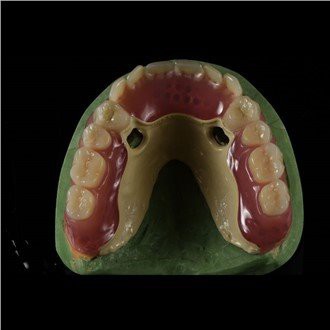
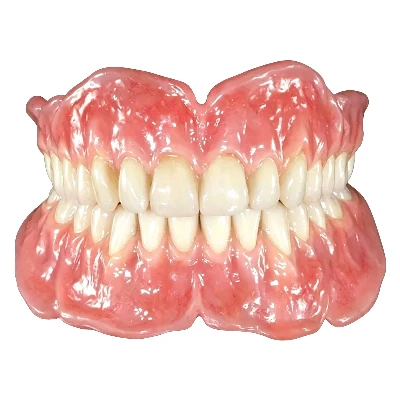
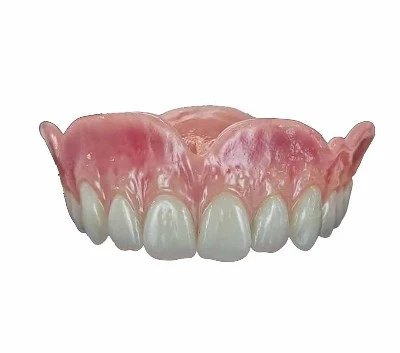
When a Peek Framework Denture is placed in a patient's mouth, the initial phase of response starts instantaneously. The framework needs to fit comfortably, without causing any undue pressure points or irritation. The time taken for the patient to adjust to the new denture and for the oral tissues to start acclimatizing to the presence of the framework is a part of the response time.
Factors Influencing the Response Time of Peek Framework Applications
Material Properties
The unique properties of the Peek material play a crucial role in determining the response time. Peek is known for its high strength - to - weight ratio, biocompatibility, and excellent chemical resistance. The biocompatibility of Peek means that the oral tissues are less likely to reject the framework, leading to a shorter inflammatory response and a quicker integration process. This results in a relatively shorter adaptation time for the patient, reducing the overall response time of the application.
Design Complexity
The design of the dental application also affects the response time. Complex designs may require more precise adjustments and fine - tuning to ensure a proper fit. For example, a Peek Framework with multiple retention elements or a custom - shaped structure may take longer to set up initially. However, once properly adjusted, the long - term response and patient comfort can be significantly enhanced.
Patient - Specific Factors
Every patient's oral cavity is unique, and factors such as the condition of the gums, bone structure, and the patient's overall oral hygiene can influence the response time. Patients with healthy oral tissues are likely to experience a faster adaptation to the Peek Framework compared to those with pre - existing oral conditions. Additionally, patient compliance, such as following post - insertion care instructions, can also impact how quickly the application responds and functions optimally.
Comparison with Co - Cr Framework Dentures
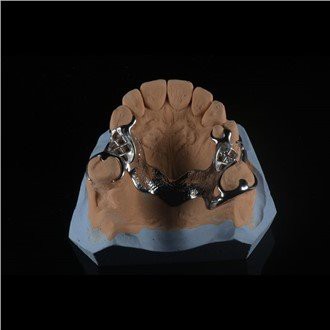
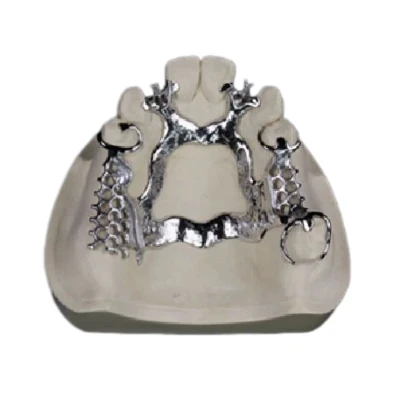
When comparing the response time of applications developed with the Peek Framework to Co Cr Framework Denture, several differences become apparent. Co - Cr frameworks are made of a cobalt - chromium alloy, which is also a popular choice in dental restorations.
Co - Cr frameworks are typically more rigid compared to Peek frameworks. This rigidity can sometimes lead to a longer adaptation period for patients, as the oral tissues need more time to adjust to the unyielding structure. In contrast, the flexibility of the Peek material allows for a more natural movement and better distribution of occlusal forces, which can result in a quicker response time and enhanced patient comfort.


Another aspect is the weight difference between the two frameworks. Co - Cr frameworks tend to be heavier, which can cause additional stress on the supporting oral tissues during the initial days of use. The lighter weight of the Peek Framework reduces this burden, enabling a more rapid acclimation process for the patient.
Measuring and Improving Response Time
Measuring the response time of Peek Framework applications can be done through a combination of patient feedback, clinical examinations, and objective assessments. Patient surveys can provide valuable insights into their comfort levels, any pain or discomfort experienced, and the time it took for them to feel at ease with the new denture. Clinical examinations, on the other hand, can assess the integration of the framework with the oral tissues, the presence of any inflammation, or the fit of the denture.
To improve the response time, we as a supplier focus on several aspects. Firstly, we ensure the highest quality of the Peek material used in the frameworks. Rigorous quality control measures are in place to guarantee that the material meets all the necessary standards for biocompatibility and mechanical properties. Secondly, our design team works closely with dental professionals to create frameworks that are as simple and functional as possible, minimizing the need for extensive adjustments. Additionally, we provide comprehensive patient education materials to promote better post - insertion care, which can significantly reduce the response time.
Real - World Examples and Case Studies
In our experience as a Peek Framework supplier, we have witnessed numerous cases where the quick response time of Peek Framework applications has made a significant difference in patient outcomes. For instance, in a recent case, an elderly patient with a history of gum sensitivity was fitted with a Peek Framework Denture. Within a few days, the patient reported a dramatic reduction in discomfort and was able to resume normal eating habits. This was in contrast to a similar case where a Co - Cr framework denture was used, and the patient took almost two weeks to adjust to the new denture.
The Future of Peek Framework Applications
As dental technology continues to evolve, the role of the Peek Framework is likely to become even more prominent. Future research may focus on further enhancing the material properties of Peek to reduce the response time even more. We also anticipate more custom - made applications tailored to individual patient needs, which will require innovative design and manufacturing techniques.
Contact for Purchase and Collaboration
If you are a dental professional or a distributor interested in learning more about the Peek Framework and its applications, we invite you to reach out to us. Our team of experts is ready to provide you with detailed information, samples, and discuss potential purchase agreements. We are committed to providing the highest quality Peek Framework products and excellent customer service. Let's work together to bring the benefits of this advanced dental technology to more patients.
References
- Dental Materials Science: Principles and Applications. 3rd Edition.
- Journal of Dental Research - various articles on dental framework materials
- Clinical Oral Investigations - studies on patient adaptation to different dental frameworks