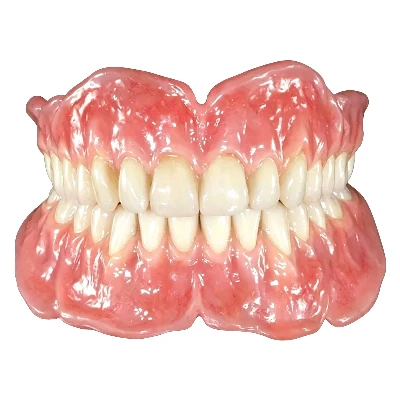
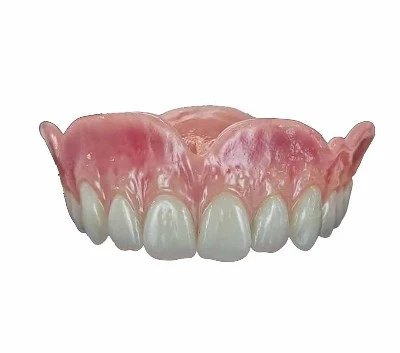
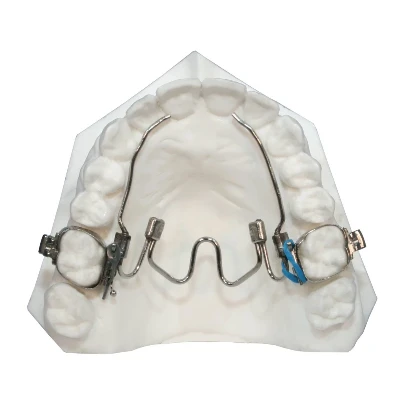


As a supplier of Peek Framework Denture, I've encountered numerous in - depth inquiries from dental professionals and patients alike regarding the impact resistance of this product. In this blog, I aim to shed some light on what exactly the impact resistance of Peek Framework Denture is and why it matters.
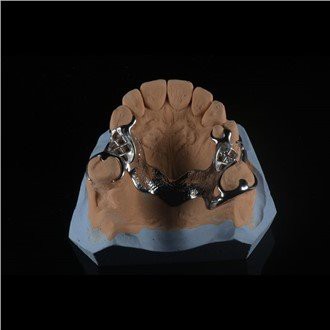
Let's first understand what a Peek Framework Denture is. Peek (Polyetheretherketone) has been making waves in the dental industry in recent years. It's a high - performance thermoplastic polymer with unique properties. The Peek Framework Denture is crafted using this advanced material, which combines with dental prosthetic components to form a denture that offers a rugged yet comfortable solution for tooth replacement.
Now, why is impact resistance so important when it comes to dentures? Well, think about it. Dentures are used during daily activities, including chewing hard foods, speaking, and even occasional accidental bumps. If a denture can't withstand these impacts, it may crack, break or become loose, which can be both uncomfortable and costly to repair or replace.
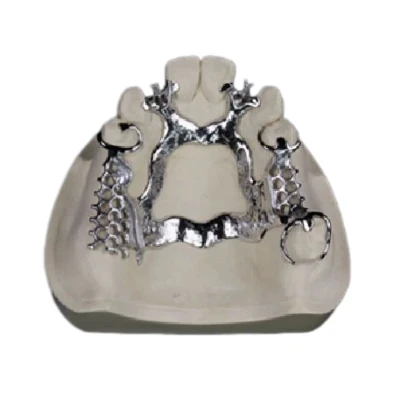
So, how does the Peek Framework Denture fare in terms of impact resistance? Research has shown that Peek material has excellent inherent mechanical properties that contribute to its high impact resistance. Unlike some traditional denture materials, such as those used in Co Cr Framework Denture which can be brittle under certain impact conditions, Peek has a certain degree of flexibility. This flexibility allows it to absorb and disperse the energy from impacts rather than shattering immediately.
In a variety of laboratory tests, Peek Framework Dentures have demonstrated remarkable performance in drop tests. When dropped from a certain height onto a hard surface, the Peek framework often remains intact, or at most, may have minor scratches. This is in stark contrast to some other denture frameworks, which are more likely to crack or break under the same conditions.
Another aspect to consider is the long - term impact resistance. Over time, normal wear and tear can gradually weaken a denture. However, Peek's chemical stability and resistance to degradation help maintain its impact - resistant properties. This means that a Peek Framework Denture can keep up its performance over an extended period, providing reliable use for patients.
One of the key factors that contribute to the excellent impact resistance of Peek Framework Dentures is the molecular structure of Peek. The strong carbon - carbon and carbon - oxygen bonds in its molecular chain endow it with high strength and toughness. When an impact occurs, these bonds can temporarily deform to absorb the energy without breaking easily.


In addition to its inherent material properties, the manufacturing process of Peek Framework Dentures also plays a role in enhancing impact resistance. Advanced CAD/CAM technology is often used to fabricate these dentures, ensuring precise fitting and a well - structured framework. A properly fitted denture is less likely to experience uneven stress distribution during impacts, which further protects it from damage.
For dental professionals, the impact resistance of Peek Framework Dentures offers a lot of advantages. It reduces the frequency of denture repairs and replacements, which not only saves their patients money but also their valuable time spent on follow - up treatments. And for patients, a denture with high impact resistance means more confidence in daily use. They don't have to worry too much about accidentally breaking their dentures while enjoying a meal or going about their normal activities.
Now, let's talk about how impact resistance of Peek Framework Dentures compares with other materials in the market. As mentioned earlier, Co Cr Framework Denture is a popular choice. Co - Cr alloys are known for their strength, but they lack the flexibility that Peek has. This brittleness means that they may crack when subjected to sudden impacts. On the other hand, traditional acrylic dentures are relatively more prone to impact damage due to their lower strength and durability.
Peek Framework Dentures offer a balanced solution. They provide the necessary strength to handle daily chewing forces, along with the ability to withstand unexpected impacts. This makes them a versatile option for a wide range of patients, from those with normal chewing habits to those who may have a more active lifestyle.
As a supplier, I've seen firsthand the positive feedback from both dental clinics and patients about the impact resistance of our Peek Framework Denture. Many dental professionals are now recommending Peek Framework Dentures to their patients, especially those who are more likely to encounter impacts, such as athletes or people with a tendency to accidentally bite down hard.
In conclusion, the impact resistance of Peek Framework Dentures is one of their standout features. Thanks to the unique material properties of Peek and advanced manufacturing techniques, these dentures can provide long - lasting, reliable service even in the face of impacts. If you're a dental professional looking for a high - quality denture option for your patients or a patient in need of a durable denture solution, I highly recommend considering Peek Framework Dentures.
If you're interested in learning more about our Peek Framework Dentures or would like to discuss potential procurement, please don't hesitate to reach out. We're always ready to have a detailed conversation and address any of your concerns. Let's work together to bring the best denture solutions to your patients or yourself.
References
- Scientific research on the mechanical properties of Peek in dentistry
- Clinical reports on the performance of Peek Framework Dentures
- Laboratory test results comparing the impact resistance of different denture materials