

Hey there! As a supplier of orthodontic appliances, I get a ton of questions from patients and orthodontists alike. One of the most common questions I hear is, "How long do I need to wear a retainer after orthodontic appliances?" It's a great question, and the answer isn't always straightforward. In this blog post, I'll break down everything you need to know about retainer wear time and why it's so important.

Why Do You Need a Retainer?
First things first, let's talk about why you need a retainer in the first place. When you wear braces or clear aligners, your teeth are gradually moved into their new positions. However, once the orthodontic treatment is over, your teeth have a tendency to shift back to their original positions. This is because the bone and soft tissues around your teeth need time to adapt to the new alignment.
A retainer helps to hold your teeth in their new positions while your mouth heals and adjusts. By wearing a retainer regularly, you can prevent your teeth from shifting and ensure that your smile stays straight for years to come.
Types of Retainers
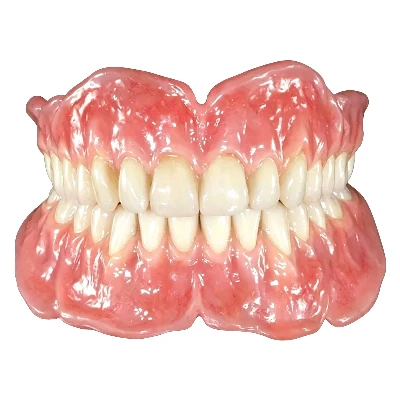
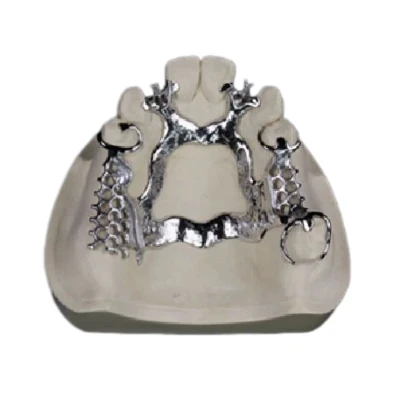
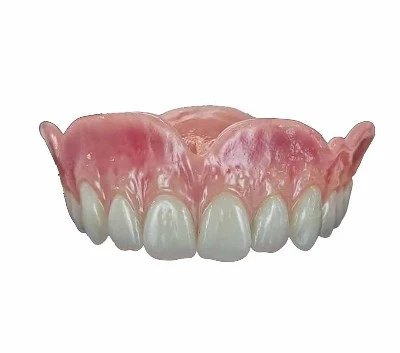
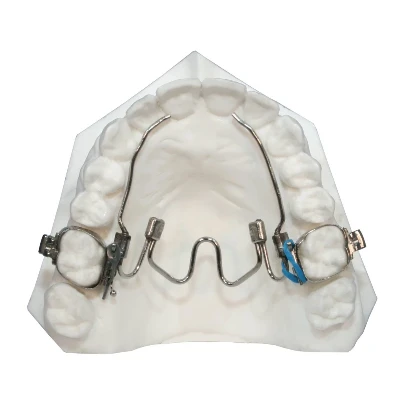
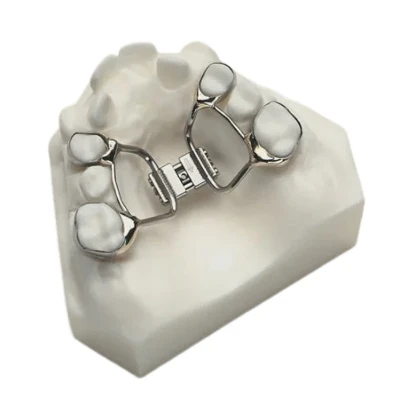
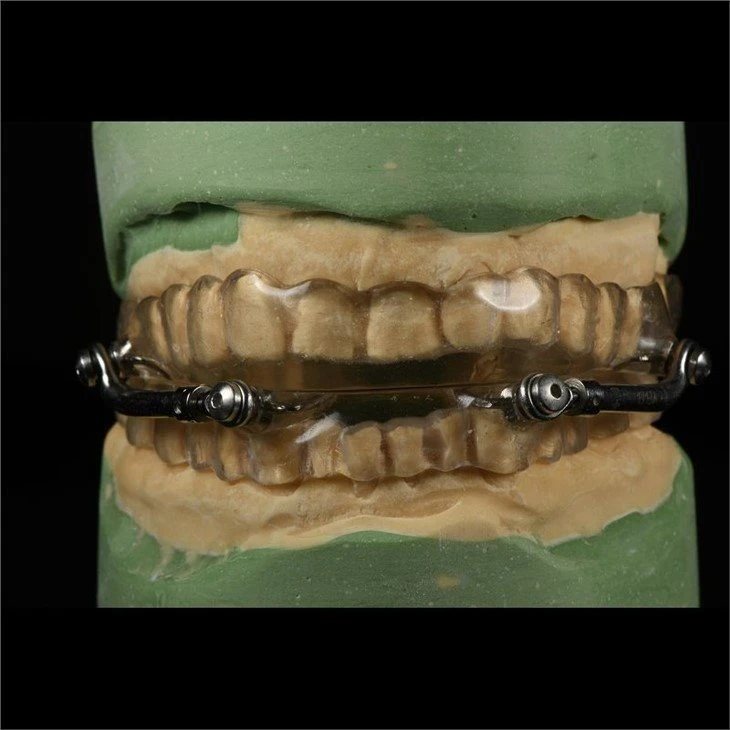
There are several types of retainers available, each with its own unique benefits and drawbacks. The most common types of retainers include:
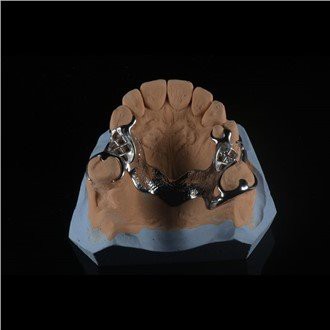
- Hawley Retainers: These are the most traditional type of retainer. They are made of a wire and acrylic base that fits over the roof of your mouth or the bottom of your teeth. Hawley retainers are adjustable, which means they can be modified as your teeth continue to shift over time.
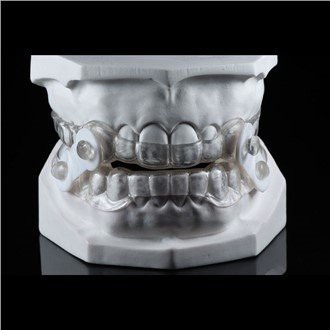
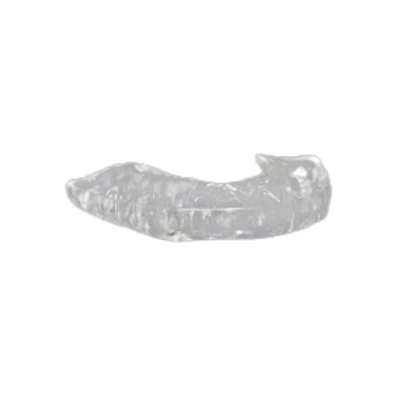
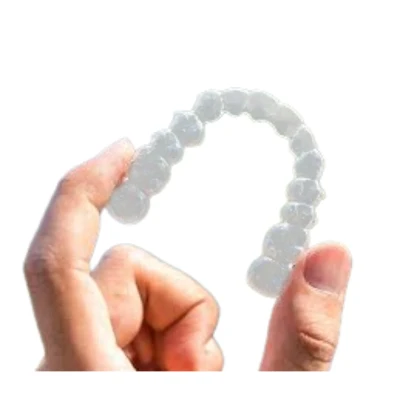
- Clear Plastic Retainers: These are also known as Essix retainers. They are made of a clear, plastic material that fits snugly over your teeth. Clear plastic retainers are virtually invisible, which makes them a popular choice for many patients.
- Fixed Retainers: These are also known as permanent retainers. They are made of a thin wire that is bonded to the back of your teeth. Fixed retainers are invisible from the front, and they are a great option for patients who want to ensure that their teeth stay in place.
How Long Do You Need to Wear a Retainer?
The length of time you need to wear a retainer after orthodontic treatment depends on several factors, including the type of orthodontic treatment you had, the severity of your dental issues, and your individual oral health. In general, most orthodontists recommend wearing a retainer full-time for the first few months after treatment, and then gradually reducing the wear time to nighttime only.
- Full-Time Wear: For the first few months after your orthodontic treatment is complete, your orthodontist will likely recommend that you wear your retainer full-time. This means wearing it all day and night, except when you're eating or brushing your teeth. Full-time wear is important because it helps to keep your teeth in their new positions while your mouth heals and adjusts.
- Nighttime Wear: After a few months of full-time wear, your orthodontist may recommend that you start wearing your retainer only at night. Nighttime wear is usually sufficient to keep your teeth in place, as your teeth are less likely to shift while you're sleeping. Most people wear their retainers at night for several years after orthodontic treatment.
- Indefinite Wear: In some cases, your orthodontist may recommend that you wear your retainer indefinitely. This is especially true if you have a history of severe dental issues or if your teeth are particularly prone to shifting. Indefinite wear may seem like a hassle, but it's a small price to pay to keep your smile looking great for the rest of your life.
Tips for Wearing Your Retainer
Wearing a retainer can take some getting used to, but it's an important part of maintaining your orthodontic results. Here are some tips to help you wear your retainer more comfortably and effectively:
- Clean Your Retainer Regularly: Just like your teeth, your retainer needs to be cleaned regularly to prevent the buildup of bacteria and plaque. You can clean your retainer by brushing it with a soft-bristled toothbrush and mild soap or using a retainer cleaning solution.
- Store Your Retainer Properly: When you're not wearing your retainer, it's important to store it in a clean, dry place. Avoid leaving your retainer in direct sunlight or hot water, as this can cause it to warp or lose its shape.
- Wear Your Retainer as Directed: Your orthodontist will give you specific instructions on how often to wear your retainer and for how long. It's important to follow these instructions carefully to ensure that your teeth stay in place.
- Be Patient: It may take a few days or weeks to get used to wearing your retainer. Don't be discouraged if you experience some discomfort or soreness at first. This is normal, and it should go away as your mouth adjusts to the retainer.
Conclusion
So, how long do you need to wear a retainer after orthodontic appliances? The answer depends on several factors, but in general, most orthodontists recommend wearing a retainer full-time for the first few months after treatment and then gradually reducing the wear time to nighttime only. By wearing your retainer as directed and taking good care of it, you can ensure that your teeth stay in place and your smile looks great for years to come.
If you're in the market for orthodontic appliances or have any questions about retainer wear, please don't hesitate to reach out to us. We're here to help you find the right products for your needs and answer any questions you may have.
References
- American Association of Orthodontists. "Retainers." https://www.mylifeasasmile.com/retainers/
- Mayo Clinic. "Retainers: A guide to keeping your smile straight." https://www.mayoclinic.org/healthy-lifestyle/adult-health/in-depth/retainers/art-20048342
- WebMD. "Retainers: What They Are and How They Work." https://www.webmd.com/oral-health/retainers-what-they-are-how-they-work