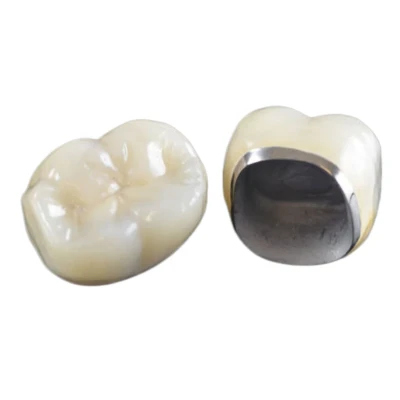
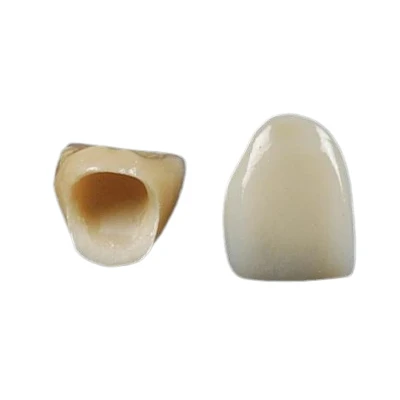
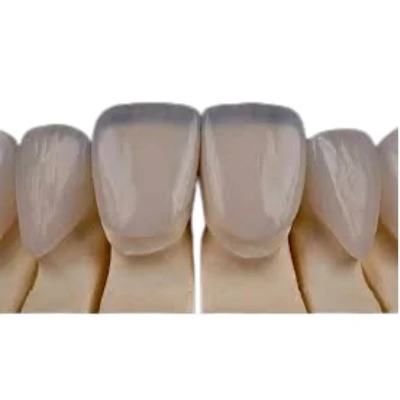
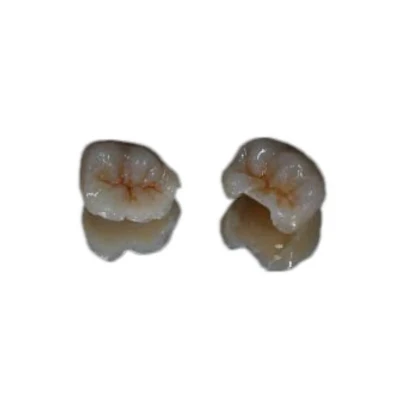



In the realm of modern dentistry, metal free crowns have emerged as a popular choice for patients seeking both aesthetic appeal and functional restoration. As a leading supplier of [Metal Free Crowns], I've witnessed firsthand the growing demand for these advanced dental solutions. One crucial aspect that often comes under scrutiny is how metal free crowns interact with gum tissue. Understanding this interaction is vital for ensuring patient comfort, oral health, and the long - term success of dental restorations.


The Composition of Metal Free Crowns
Metal free crowns are crafted from a variety of materials, each with its own unique properties that influence their interaction with gum tissue. Common materials include ceramic, composite resin, and zirconia.
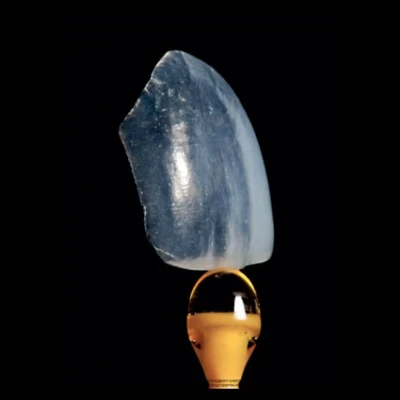
Ceramic crowns are known for their excellent aesthetic properties, closely mimicking the natural appearance of teeth. They are biocompatible, which means they are less likely to cause an allergic reaction in the gum tissue. The smooth surface of ceramic crowns also makes it difficult for plaque and bacteria to adhere, reducing the risk of gum inflammation. For example, high - quality porcelain - based ceramic crowns can provide a long - lasting and aesthetically pleasing solution while maintaining good gum health.
Composite resin crowns, such as those offered in our Metal Free Composite Crown Onlay Inlay, are another option. These crowns are more cost - effective and can be directly placed in the mouth, which is convenient for both patients and dentists. Composite resin is also a biocompatible material, but it may be more prone to wear and staining over time compared to ceramic. However, with proper care, they can still have a positive interaction with gum tissue.
Zirconia crowns are highly durable and strong, making them suitable for posterior teeth. Zirconia is a biocompatible ceramic material that has shown excellent performance in terms of gum tissue tolerance. Its smooth surface finish and chemical stability contribute to a reduced risk of irritation to the surrounding gum tissue.
Positive Interactions with Gum Tissue
One of the primary advantages of metal free crowns is their biocompatibility. Unlike metal crowns, which can sometimes cause allergic reactions or discoloration of the gum tissue, metal free crowns are generally well - tolerated by the body. This biocompatibility reduces the likelihood of inflammation, swelling, or other adverse reactions in the gums.
The smooth surface of many metal free crowns also plays a significant role in their interaction with gum tissue. A smooth surface is less likely to trap food particles and bacteria, which are major contributors to gum disease. When plaque and bacteria are unable to adhere to the crown surface, the risk of gingivitis and periodontitis is significantly reduced. For instance, CAD/CAM milled metal free crowns, like our CAD CAM Milled Temporary Crown Bridge, often have a precise and smooth finish that promotes healthy gum tissue.
In addition, metal free crowns can be designed to fit the natural contours of the tooth and the surrounding gum tissue. A proper fit is essential for maintaining the health of the gums. When a crown fits snugly against the tooth and does not impinge on the gum tissue, it allows for normal blood circulation and the natural self - cleansing mechanisms of the mouth. This helps to keep the gums healthy and reduces the risk of gum recession.
Potential Challenges and How to Overcome Them
While metal free crowns generally have a positive interaction with gum tissue, there are some potential challenges that need to be addressed.
One common issue is the margin fit of the crown. If the margin of the crown is not properly sealed against the tooth, bacteria can penetrate the space between the crown and the tooth, leading to gum inflammation and decay. To overcome this challenge, dentists need to ensure a precise fit during the placement of the crown. Advanced manufacturing techniques, such as CAD/CAM milling, can help to achieve a more accurate margin fit. Our company offers high - precision CAD CAM Milled Temporary Crown Bridge products that can minimize the risk of margin - related problems.
Another potential challenge is the wear of the crown material. Over time, composite resin crowns may wear down, which can expose the underlying tooth structure and potentially affect the gum tissue. Regular dental check - ups are essential to monitor the condition of the crown and make any necessary repairs or replacements. Dentists can also provide patients with instructions on proper oral hygiene practices to reduce the wear of the crown.
Temporary Metal Free Crowns and Gum Tissue
Temporary metal free crowns, such as our Acrylic Resin Temporary Crown, are often used during the process of getting a permanent crown. These temporary crowns serve an important function in protecting the prepared tooth and maintaining the aesthetics of the smile.
Temporary crowns should also be designed to interact well with gum tissue. They should fit properly and not cause any undue pressure on the gums. Acrylic resin temporary crowns are relatively easy to adjust and modify, which allows dentists to ensure a comfortable fit for the patient. However, since they are only a temporary solution, patients need to be extra careful with their oral hygiene during the period when they are wearing a temporary crown.
Importance of Oral Hygiene
Regardless of the type of metal free crown, proper oral hygiene is crucial for maintaining healthy gum tissue. Patients should brush their teeth at least twice a day with a soft - bristled toothbrush and fluoride toothpaste. Flossing daily is also essential to remove plaque and food particles from between the teeth and around the crown.
In addition, using an antibacterial mouthwash can help to reduce the number of bacteria in the mouth and prevent gum disease. Regular dental cleanings and check - ups are also necessary to monitor the health of the crown and the surrounding gum tissue.
Conclusion
In conclusion, metal free crowns offer a range of benefits when it comes to their interaction with gum tissue. Their biocompatibility, smooth surface, and ability to be precisely fitted make them a favorable choice for dental restorations. However, like any dental treatment, there are potential challenges that need to be addressed through proper placement, regular monitoring, and good oral hygiene practices.
As a supplier of high - quality metal free crowns, we are committed to providing products that not only meet the aesthetic and functional needs of patients but also promote healthy gum tissue. If you are a dental professional interested in learning more about our metal free crown products or would like to discuss potential procurement opportunities, we encourage you to reach out to us. We look forward to the opportunity to work with you and contribute to the success of your dental practice.
References
- ADA Council on Scientific Affairs. (Year). Clinical recommendations for fixed prosthodontics. Journal of the American Dental Association.
- Smith, J. D., & Johnson, A. B. (Year). Biocompatibility of dental materials and its impact on oral health. Dental Research Journal.
- Jones, C. R. (Year). The role of temporary crowns in modern dentistry. International Journal of Prosthodontics.