



Choosing the right orthodontic appliances is a crucial decision that can significantly impact your oral health and overall well - being. As a supplier of a wide range of orthodontic appliances, I understand the complexities and considerations involved in this choice. In this blog, I will share some insights to help you make an informed decision.
Understanding Your Orthodontic Needs
Before selecting orthodontic appliances, it's essential to have a clear understanding of your specific orthodontic problems. Common issues include crooked teeth, overcrowding, gaps between teeth, overbite, underbite, and crossbite. A comprehensive dental examination by a qualified orthodontist is the first step. The orthodontist will use X - rays, dental impressions, and visual inspections to diagnose your condition accurately.
For instance, if you have mild to moderate crowding or spacing issues, you may be a candidate for clear aligners. These are custom - made, removable trays that gradually move your teeth into the correct position. On the other hand, if you have a severe bite problem, such as a significant overbite or underbite, traditional braces or more specialized appliances might be necessary.
Types of Orthodontic Appliances
Traditional Braces
Traditional braces are the most well - known orthodontic treatment option. They consist of brackets that are bonded to the front of your teeth and connected by wires. The wires are adjusted periodically to apply pressure and move the teeth. There are different types of traditional braces:
- Metal Braces: These are the most common type. They are made of high - grade stainless steel and are very durable. Metal braces are effective for treating a wide range of orthodontic problems, but they are also the most visible.
- Ceramic Braces: Ceramic braces are similar to metal braces, but the brackets are made of ceramic material, which is tooth - colored. This makes them less noticeable than metal braces, but they are also more brittle and may require more careful maintenance.
Clear Aligners
Clear aligners, such as Invisalign, have become increasingly popular in recent years. They are made of a smooth, clear plastic material and are virtually invisible when worn. Some of the advantages of clear aligners include:
- Removability: You can remove the aligners to eat, drink, brush, and floss, which makes oral hygiene easier compared to traditional braces.
- Comfort: The smooth plastic material is less likely to irritate the inside of your mouth compared to the brackets and wires of traditional braces.
However, clear aligners are not suitable for all orthodontic problems. They are typically recommended for mild to moderate cases.
Other Specialized Appliances
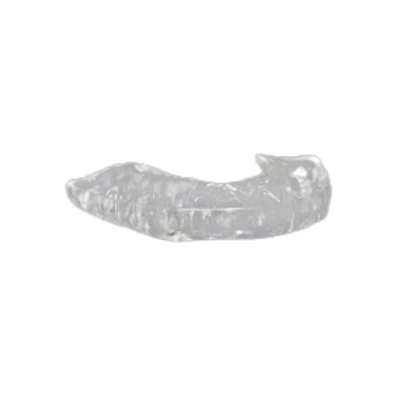
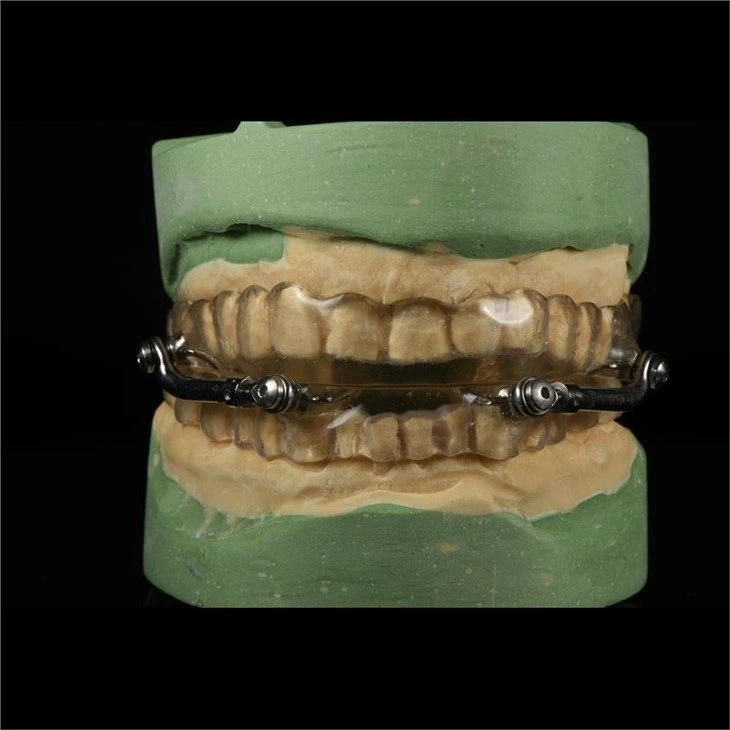
- Snoring Control Devices: These devices are designed to help with snoring and sleep apnea. They work by repositioning the lower jaw or the tongue to keep the airway open during sleep. This can improve the quality of your sleep and reduce the symptoms of sleep - related breathing disorders.
- Frankel Dental Devices: Frankel appliances are functional orthopedic devices used primarily for children and adolescents during their growth phase. They are designed to correct skeletal and dental malocclusions by influencing the growth of the jaws and guiding the eruption of teeth.
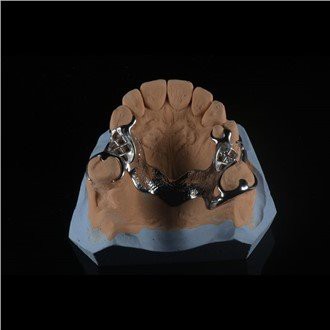
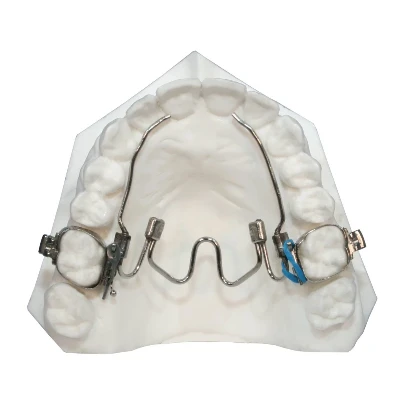
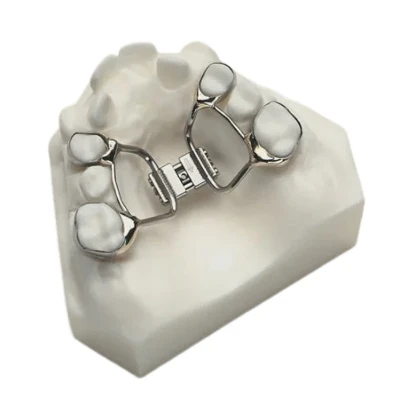
- Orthodontic Expanders: These appliances are used to widen the upper jaw. They are often used to correct a narrow palate or to create more space for teeth to align properly. Expanders can be fixed or removable, and they work by applying gentle pressure to the upper jaw over time.
Factors to Consider When Choosing Orthodontic Appliances
Aesthetics
If you are concerned about the appearance of orthodontic appliances, clear aligners or ceramic braces may be a better choice. They are less noticeable than traditional metal braces, which can be a significant factor, especially for adults and teenagers.
Comfort
Comfort is another important consideration. Clear aligners are generally more comfortable than traditional braces because they do not have brackets and wires that can irritate the mouth. However, some people may experience initial discomfort when wearing new aligners as their teeth adjust to the pressure.

Treatment Time
The length of treatment can vary depending on the type of appliance and the severity of your orthodontic problem. Traditional braces typically require a longer treatment time, often ranging from 18 months to 3 years. Clear aligners may have a shorter treatment time for mild to moderate cases, usually around 6 to 18 months.
Cost
Cost is a significant factor for many people. Traditional braces are generally less expensive than clear aligners, but the cost can still vary depending on the complexity of the treatment and the location. Some dental insurance plans may cover a portion of the cost of orthodontic treatment, so it's important to check with your insurance provider.
Oral Hygiene
Maintaining good oral hygiene is crucial during orthodontic treatment. Clear aligners are easier to clean because you can remove them. With traditional braces, it can be more challenging to brush and floss effectively around the brackets and wires, which increases the risk of tooth decay and gum disease.
Making the Right Choice
Once you have considered all the factors mentioned above, it's time to make a decision. Consult with your orthodontist, as they have the expertise and experience to guide you. They can assess your specific condition, discuss the pros and cons of different appliances, and recommend the most suitable option for you.
As an orthodontic appliances supplier, I am committed to providing high - quality products that meet the diverse needs of patients and orthodontists. Whether you are an orthodontist looking for reliable supplies or a patient seeking the right treatment option, I encourage you to contact me for more information. We can discuss the details of different appliances, pricing, and availability. Starting a conversation with us can lead to a more informed decision and ultimately, a successful orthodontic treatment.
References
- American Association of Orthodontists. (2023). Choosing the Right Orthodontic Treatment.
- Journal of Clinical Orthodontics. Various issues on different orthodontic appliances.
- Dental Research Journal. Studies on the effectiveness and comfort of orthodontic appliances.