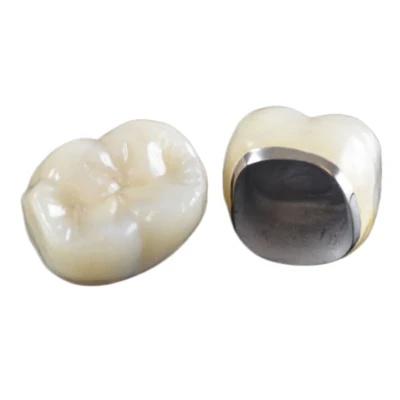
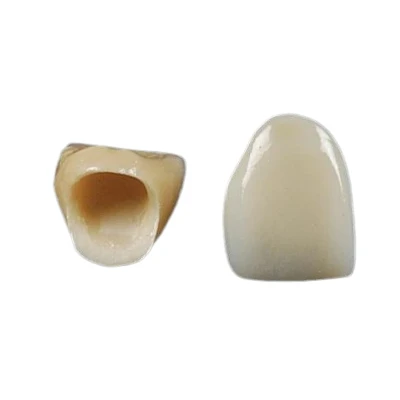
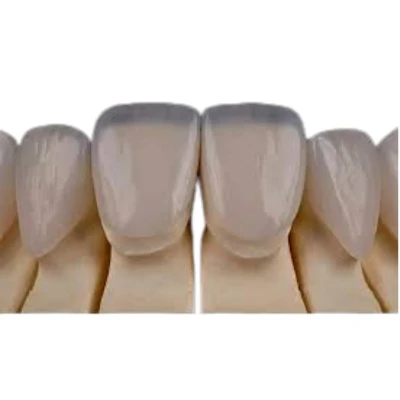
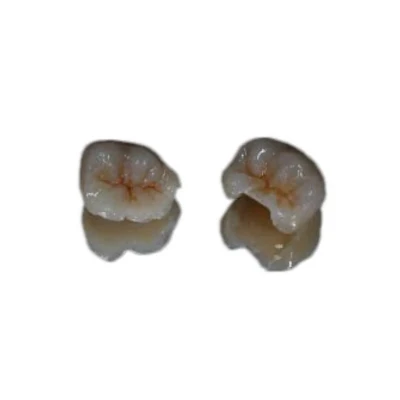
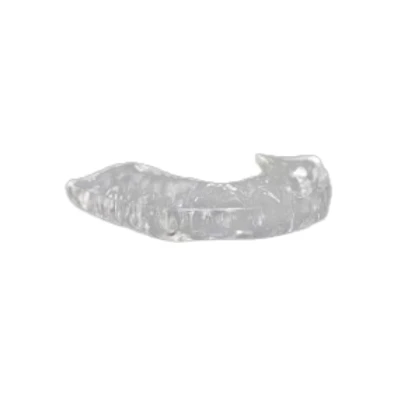

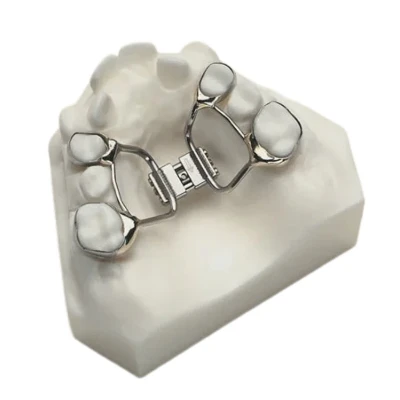



Pregnancy is a transformative period in a woman's life, marked by numerous physical and hormonal changes. These changes can have a significant impact on oral health, especially for women with fixed restorations such as crowns, bridges, veneers, and inlays/onlays. As a trusted supplier of high - quality fixed restorations, I understand the importance of providing guidance on how to care for these dental prosthetics during pregnancy.
Understanding the Oral Changes During Pregnancy
During pregnancy, hormonal fluctuations can lead to a variety of oral health issues. The increase in progesterone and estrogen levels can cause the gums to become more sensitive and prone to inflammation, a condition known as pregnancy gingivitis. This inflammation can make it more challenging to maintain the health of fixed restorations.
In addition, pregnant women may experience morning sickness, which exposes the teeth to stomach acid. This acid can erode the enamel around fixed restorations, potentially weakening the bond between the restoration and the natural tooth structure. Moreover, changes in dietary habits, such as increased cravings for sugary foods, can also contribute to an increased risk of tooth decay around the restorations.
Caring for Fixed Restorations
Oral Hygiene
Maintaining excellent oral hygiene is crucial for the health of fixed restorations during pregnancy. Pregnant women should brush their teeth at least twice a day using a soft - bristled toothbrush and fluoride toothpaste. It is important to pay special attention to the areas around the fixed restorations, ensuring that all food particles and plaque are removed.
Flossing is also essential. Daily flossing helps to clean between the teeth and around the margins of the restorations, preventing the buildup of plaque and bacteria. If traditional floss is difficult to use, pregnant women can consider using floss picks or interdental brushes.
Mouthwash can be an additional tool to enhance oral hygiene. An antibacterial mouthwash can help to reduce the number of bacteria in the mouth, especially in areas that are difficult to reach with a toothbrush or floss. However, it is important to choose a mouthwash that is alcohol - free, as alcohol can be drying to the mouth and may cause irritation.
Diet
A balanced diet is not only important for the health of the mother and the developing baby but also for the health of the fixed restorations. Pregnant women should limit their intake of sugary and acidic foods and beverages, as these can increase the risk of tooth decay and enamel erosion. Instead, they should focus on consuming foods that are rich in calcium, such as dairy products, leafy green vegetables, and fortified cereals. Calcium is essential for maintaining strong teeth and bones, which can help to support the fixed restorations.
In addition, drinking plenty of water throughout the day can help to rinse away food particles and neutralize the acid in the mouth. Water also helps to keep the mouth hydrated, which is important for preventing dry mouth, a common problem during pregnancy that can increase the risk of tooth decay.
Regular Dental Check - Ups
Pregnant women with fixed restorations should continue to visit their dentist for regular check - ups and cleanings. These appointments are important for monitoring the health of the restorations and the overall oral health. The dentist can check for any signs of wear, damage, or infection around the fixed restorations and provide appropriate treatment if necessary.

It is generally safe to have dental treatments during pregnancy, especially during the second trimester when the risk of complications is relatively low. However, it is important to inform the dentist about the pregnancy before any treatment is performed. The dentist may take additional precautions, such as using a lead apron to protect the abdomen during dental X - rays.
Specific Considerations for Different Types of Fixed Restorations
Feldspathic Veneers
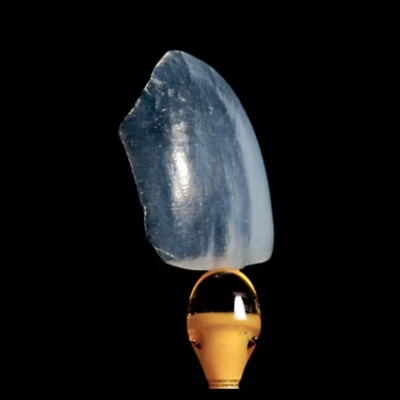
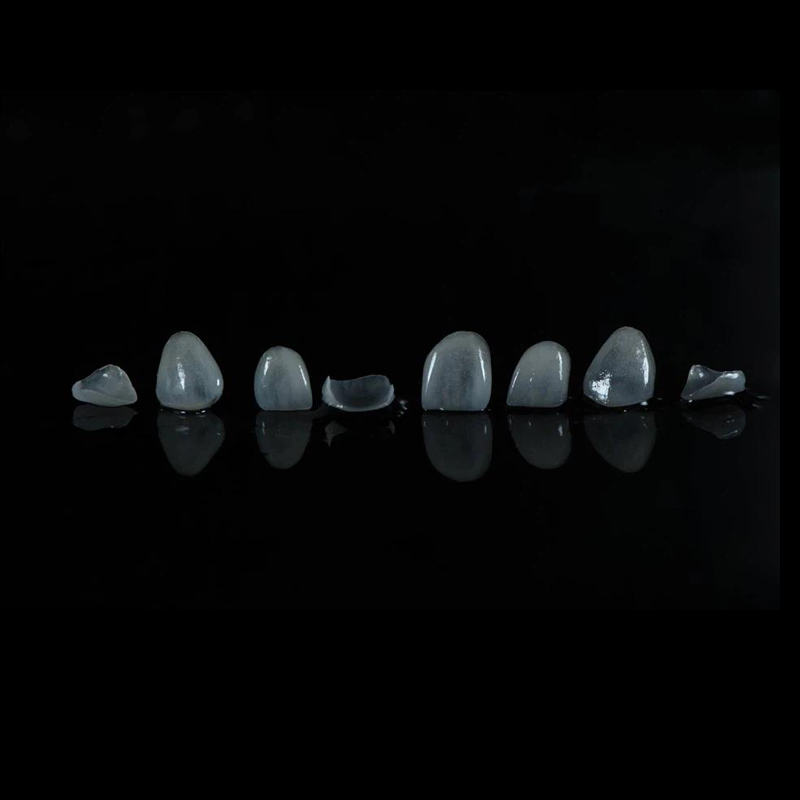
Feldspathic Veneers are a popular type of cosmetic restoration that can enhance the appearance of the teeth. These veneers are relatively thin and can be more prone to chipping or damage. Pregnant women with feldspathic veneers should be careful when eating hard or sticky foods, as these can put excessive pressure on the veneers and cause them to break.
It is also important to avoid using the teeth with veneers to open packages or bite on hard objects. If a feldspathic veneer does become chipped or damaged, it is important to contact the dentist as soon as possible for repair or replacement.
E - max Inlay&Onlay
E - max Inlay&Onlay are durable restorations that can be used to repair damaged or decayed teeth. These restorations are made of a strong ceramic material that is resistant to wear and staining. However, pregnant women with E - max inlays or onlays should still maintain good oral hygiene to prevent the development of secondary decay around the restoration.
The dentist may recommend using a fluoride - containing toothpaste or a fluoride rinse to help strengthen the enamel around the E - max inlay or onlay. In addition, regular dental check - ups are important to ensure that the restoration is in good condition and that there are no signs of problems such as leakage or dislodgment.
Conclusion
Caring for fixed restorations during pregnancy requires a combination of good oral hygiene, a balanced diet, and regular dental check - ups. By following these guidelines, pregnant women can maintain the health of their fixed restorations and prevent potential oral health problems.
As a supplier of high - quality fixed restorations, we are committed to providing our customers with the best products and support. If you are a dental professional or a patient in need of fixed restorations, we invite you to contact us to discuss your specific needs. Our team of experts is ready to assist you in finding the most suitable fixed restorations for your patients or yourself.
References
- American Dental Association. (2023). Oral Health During Pregnancy.
- Journal of Dental Research. Studies on the Impact of Pregnancy Hormones on Oral Health.
- International Journal of Prosthodontics. Guidelines for the Care of Fixed Restorations.