



Do fixed restorations require follow - up appointments? That's a question I get asked a lot, and as a supplier of Fixed Restorations, I've got some insights to share.
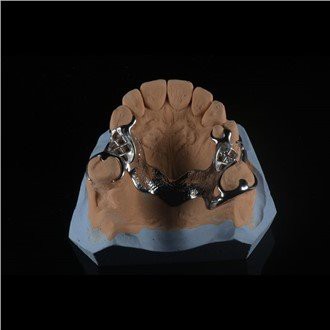
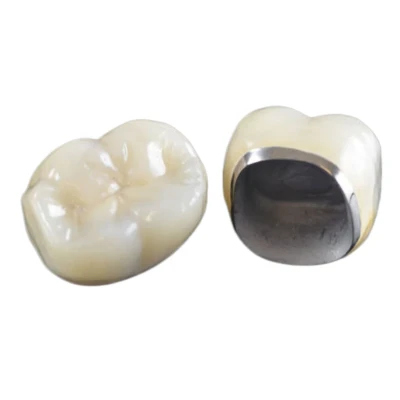
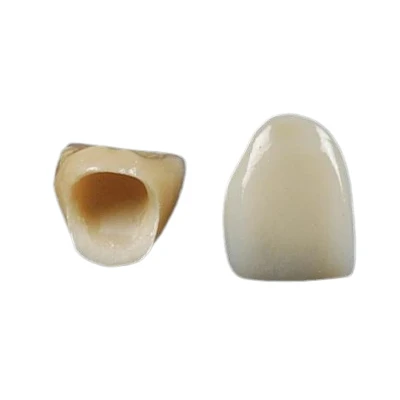
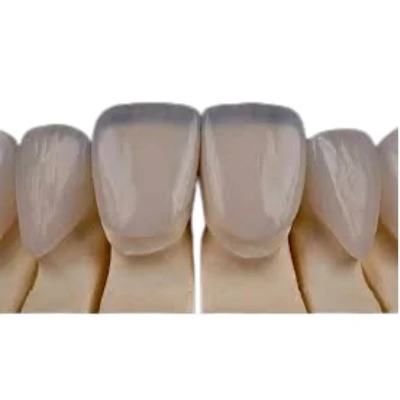
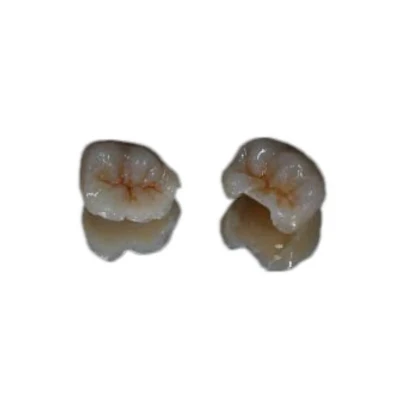
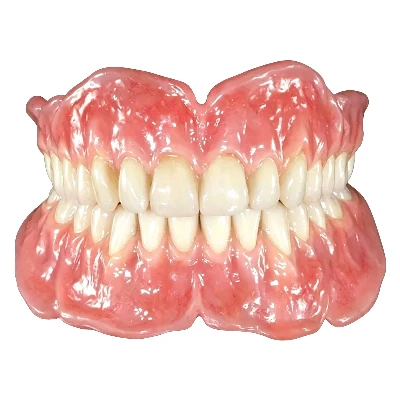
Let's first understand what fixed restorations are. Fixed restorations are dental treatments used to repair or replace damaged or missing teeth. These can range from crowns and bridges to Feldspathic Veneers and E-max Inlay&Onlay. They're designed to be long - lasting and to restore both the function and appearance of your teeth.
Now, back to the main question: Do they need follow - up appointments? The short answer is yes, and here's why.
1. Monitoring for Complications
Even the best - made fixed restorations can sometimes have issues. For example, a crown might become loose over time. This could be due to normal wear and tear, or maybe there was an underlying issue with the tooth preparation. If a crown comes loose, it can lead to more problems like decay under the crown or damage to the adjacent teeth. During follow - up appointments, dentists can check the stability of the restoration. They'll give it a little wiggle test and use X - rays to see if there are any hidden problems.
Another complication could be gum irritation. Sometimes, a poorly - fitting restoration can rub against the gums, causing inflammation and pain. In severe cases, it can even lead to gum recession. Dentists at follow - up appointments can examine the gum tissue around the restoration. They'll look for signs of redness, swelling, or bleeding. If they find any issues, they can make the necessary adjustments to the restoration to prevent further damage to the gums.
2. Assessing Wear and Tear
Our teeth go through a lot on a daily basis. We chew, bite, and grind our teeth, and these normal activities can take a toll on fixed restorations. Over time, the surface of a restoration can wear down. This is especially true for people who grind their teeth at night. During follow - up visits, dentists can evaluate how much wear the restoration has endured.
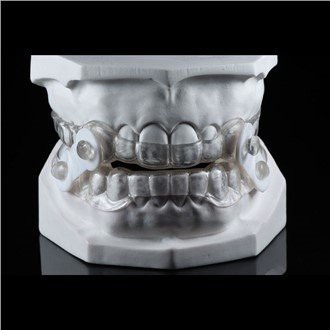
If the wear is minimal, they might just give you some tips on how to protect your restoration, like wearing a nightguard. But if the wear is significant, it might be necessary to replace the restoration. Ignoring excessive wear can lead to problems such as tooth sensitivity, as the underlying tooth structure becomes more exposed.
3. Ensuring Aesthetics
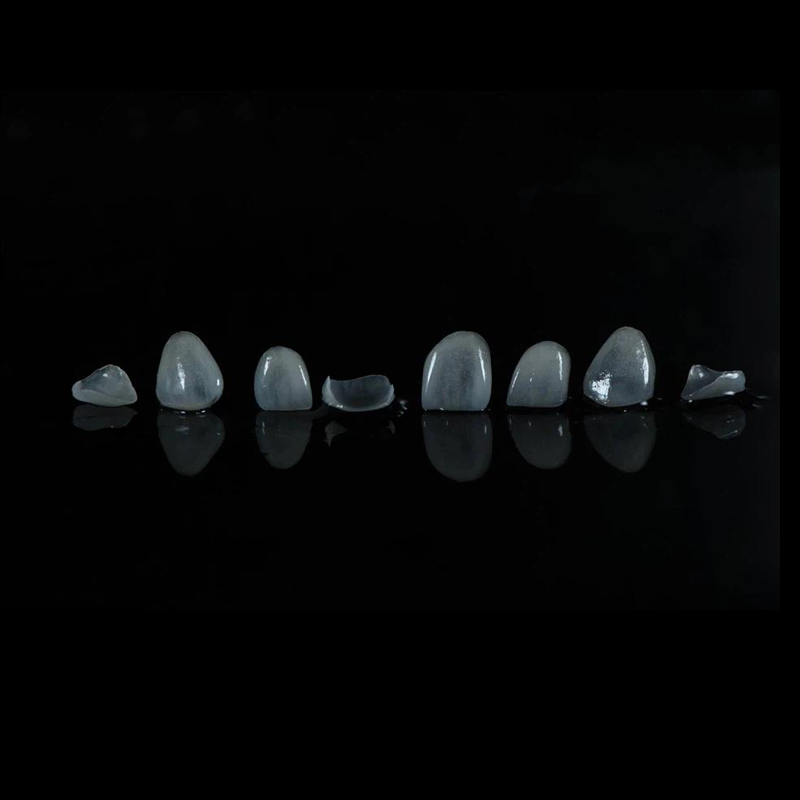
Aesthetic concerns are also a big part of fixed restorations. People often get Feldspathic Veneers or other cosmetic restorations to improve their smile. However, the color and appearance of these restorations can change over time.
Staining can occur due to factors like coffee, tea, or smoking. During follow - up appointments, dentists can assess the aesthetic condition of the restoration. They might be able to clean the restoration to remove minor stains or recommend a replacement if the discoloration is too severe. After all, a beautiful smile is one of the main reasons people get fixed restorations in the first place, so it's important to maintain that appearance.

4. Overall Oral Health
Fixed restorations are part of your overall oral health system. When a patient comes in for a follow - up appointment for a fixed restoration, the dentist can also take a look at the rest of the mouth. They can check for signs of cavities in other teeth, gum disease, and even oral cancer.
For example, a patient with a bridge might have increased risk of plaque buildup around the abutment teeth. During the follow - up, the dentist can provide proper oral hygiene instructions to prevent these problems. By taking care of the overall oral health, the longevity of the fixed restoration can also be improved.
The Supplier's Perspective
As a supplier of fixed restorations, I understand the importance of follow - up appointments from both a dental and business point of view. When patients have regular follow - ups, it allows dentists to assess the quality of the restorations we supply. If there are any issues with the fit, durability, or aesthetics of a restoration, the dentist can provide us with feedback.
This feedback is invaluable to us. It helps us improve our products. Maybe we need to adjust the manufacturing process for E-max Inlay&Onlay to make them more resistant to wear. Or perhaps we need to work on the color - matching technology for our Feldspathic Veneers. By having a close relationship with dentists and supporting their follow - up appointment processes, we can ensure that our products keep getting better.
Encouraging Customers to Get Follow - ups
If you're a dentist or a dental clinic, it's important to encourage your patients to come for follow - up appointments. You can explain all the reasons I've mentioned above, but you can also make it easier for them. For example, send reminder emails or texts when it's time for their next appointment. Offer incentives like a small discount on future treatments if they keep up with their follow - ups.
From my side, as a supplier, I can also support you in promoting follow - up appointments. We can provide educational materials that you can give to your patients. These materials can explain in simple terms why follow - up appointments are so important for their fixed restorations.
Contact for Procurement
If you're in the market for high - quality fixed restorations, whether it's Feldspathic Veneers or E-max Inlay&Onlay, we've got you covered. We're committed to providing the best products and supporting you with the necessary information to ensure your patients' satisfaction. Reach out to us to start a procurement discussion. We're here to answer all your questions and help you find the right solutions for your dental practice.
References
- ADA (American Dental Association). Guidelines for Dental Restorations.
- Smith, J. et al. "Long - term Outcomes of Fixed Dental Restorations". Journal of Dental Research. 20XX.
- Brown, A. "Aesthetic Considerations in Fixed Restorations". Dental Aesthetics Quarterly. 20XX.