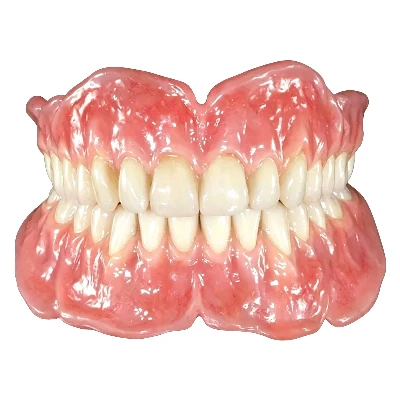
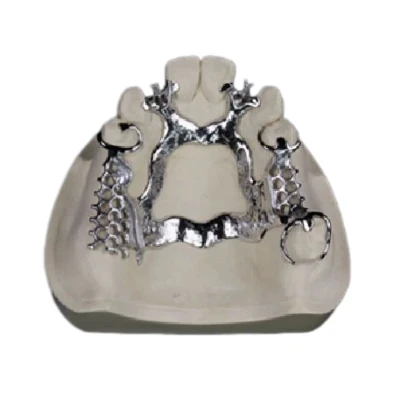
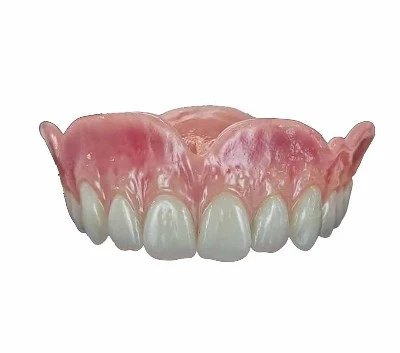
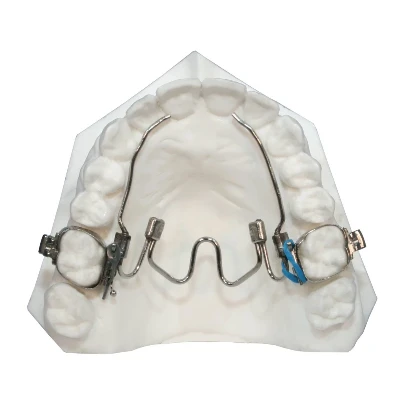


Hey there! As a supplier of Night Guards For Teeth, I often get asked a bunch of questions about using these guards, and one that pops up quite a bit is, "Can night guards for teeth be used with wisdom teeth?" Let's dig into this topic and see what's what.


First off, let's talk about what wisdom teeth are. Wisdom teeth are the third molars that usually come in between the ages of 17 and 25. For some folks, these teeth come in just fine and don't cause any issues. But for others, they can be a real pain in the... well, mouth. They might come in crooked, get stuck (impacted), or just cause overcrowding in the mouth.
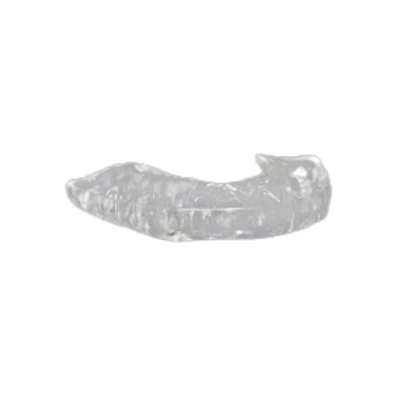
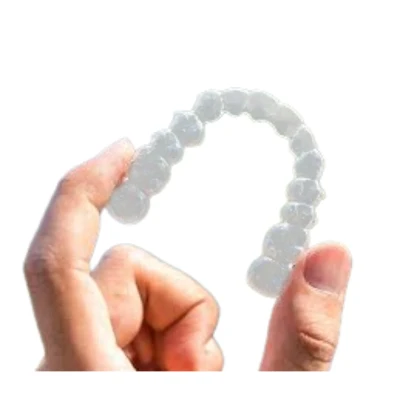
Now, when it comes to night guards, their main job is to protect your teeth from grinding and clenching while you sleep. Grinding your teeth, also known as bruxism, can lead to all sorts of problems like worn - down teeth, tooth sensitivity, headaches, and jaw pain. Night guards act as a cushion between your upper and lower teeth, preventing them from damaging each other.
So, can you use a night guard with wisdom teeth? The short answer is, it depends.
If your wisdom teeth have fully erupted, are properly aligned, and don't cause any pain or discomfort, then using a night guard should be okay. You can go ahead and use a Night Guards for Teeth just like you would if you didn't have wisdom teeth. The guard will fit over all your teeth, including the wisdom teeth, and do its job of protecting them from the wear and tear of grinding.
However, things get a bit more complicated if your wisdom teeth are impacted or not fully erupted. An impacted wisdom tooth is one that doesn't have enough room to come in properly. It might be stuck under the gum or bone, and this can cause a lot of problems. If you try to use a night guard with an impacted wisdom tooth, it can put extra pressure on the area, which can lead to more pain and inflammation.
In some cases, the night guard might not fit properly because of the positioning of the impacted wisdom tooth. A poorly - fitting night guard won't be as effective at protecting your other teeth from grinding, and it can also be really uncomfortable to wear. So, if you have an impacted wisdom tooth, it's a good idea to talk to your dentist before using a night guard. Your dentist might recommend getting the wisdom tooth removed first.
Another thing to consider is if your wisdom teeth are causing overcrowding in your mouth. When your teeth are overcrowded, the bite can be off, and this can affect how well the night guard fits. Even if your wisdom teeth are fully erupted but are pushing the other teeth out of place, the night guard might not sit correctly on your teeth. You might find that it slips around while you sleep or that it doesn't provide the same level of protection as it should.
Now, let's talk about the different types of night guards. There are custom - made night guards and over - the - counter (OTC) ones.
Custom - made night guards are made by your dentist. They take impressions of your teeth, and then a lab creates a guard that fits your teeth perfectly. These are usually the best option, especially if you have wisdom teeth. The dentist can make sure that the guard takes into account the position and shape of your wisdom teeth. Even if your wisdom teeth are a bit out of place, a custom - made night guard can be adjusted to fit properly.
On the other hand, OTC night guards are more of a one - size - fits - most deal. You can find them at drugstores or online. They're usually made of a soft, flexible material that you heat up in boiling water and then mold to your teeth. While they can be a more affordable option, they might not fit as well as a custom - made guard, especially if you have wisdom teeth. If your wisdom teeth are in an unusual position, the OTC guard might not mold correctly around them, which can lead to an uncomfortable fit and reduced effectiveness.
If you're an athlete and you're thinking about using a night guard, there are also Sport Mouth Guards. These are designed to protect your teeth during sports activities. However, they're not the same as night guards. Sport mouth guards are usually thicker and more rigid to provide protection against impacts, while night guards are more focused on preventing grinding. So, if you need a night guard for your wisdom teeth, stick with the ones designed for nighttime use.
Another type of night guard is the Michigan Night Guards. These are a popular choice because they cover the biting surfaces of the teeth and help to distribute the pressure evenly. They can be a good option if you have wisdom teeth that are in a normal position. But again, if your wisdom teeth are causing any issues, it's still a good idea to check with your dentist.
In conclusion, using a night guard with wisdom teeth is possible in many cases, but it all depends on the condition of your wisdom teeth. If your wisdom teeth are healthy and properly aligned, a night guard can be a great way to protect all your teeth from grinding. But if you have any problems with your wisdom teeth, like impaction or overcrowding, it's important to talk to your dentist first.
If you're interested in purchasing night guards for your dental needs, we're here to help! We're a reliable supplier of high - quality Night Guards For Teeth. Whether you need custom - made guards or are looking for a good OTC option, we've got you covered. Feel free to reach out to start a conversation about your specific requirements and see how we can assist you in getting the best night guard for your situation.
References
- American Dental Association. (2023). Bruxism. Retrieved from ADA official website.
- Mayo Clinic. (2023). Wisdom teeth: When is removal necessary? Retrieved from Mayo Clinic official website.