


Can a PFM dental bridge be used in patients with a high smile line?
As a supplier of PFM dental bridges, I often encounter questions from dental professionals and patients alike regarding the suitability of PFM dental bridges for patients with a high smile line. In this blog post, I will explore the factors to consider when using PFM dental bridges in such cases, the advantages and limitations, and provide some insights based on my experience in the industry.
Understanding the High Smile Line
A high smile line is characterized by a significant exposure of the gingival tissue when a person smiles. This can vary from person to person, and it is an important consideration in cosmetic and restorative dentistry. When the smile line is high, the appearance of dental restorations becomes more critical as they are more visible.
PFM Dental Bridges: An Overview
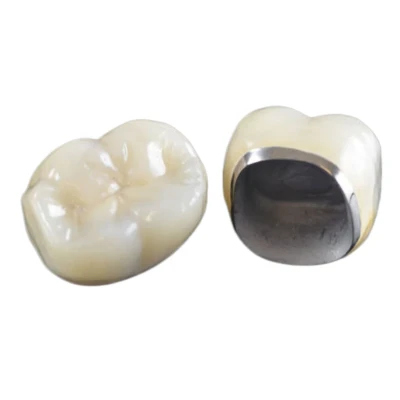
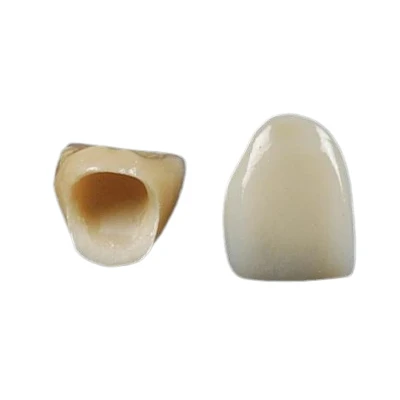
PFM (Porcelain-Fused-to-Metal) dental bridges are a popular choice for replacing missing teeth. They consist of a metal framework that provides strength and support, which is then covered with porcelain to mimic the natural appearance of teeth. The metal core gives the bridge durability, while the porcelain veneer offers a aesthetically pleasing look.


Advantages of PFM Dental Bridges
- Strength and Durability: The metal framework in PFM dental bridges provides excellent strength, making them suitable for patients who have a significant bite force. This ensures that the bridge can withstand the normal forces of chewing and last for a long time.
- Aesthetic Appeal: The porcelain layer on top of the metal can be customized to match the color and shape of the surrounding teeth. This allows for a natural-looking restoration that blends well with the patient's existing dentition, especially when the dentist has good technical skills.
Limitations of PFM Dental Bridges in High Smile Line Cases
- Gingival Discoloration: Over time, the metal margin of the PFM dental bridge may cause a greyish discoloration of the gingival tissue. This is more noticeable in patients with a high smile line as the gingiva is more exposed. The discoloration can be a cosmetic concern and may affect the overall esthetic outcome.
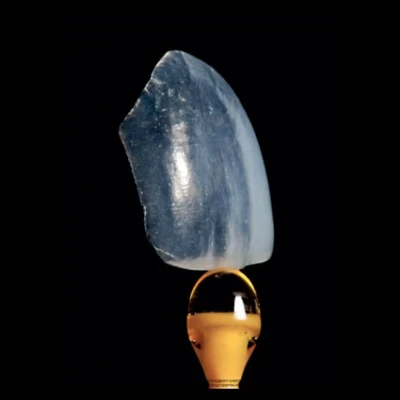
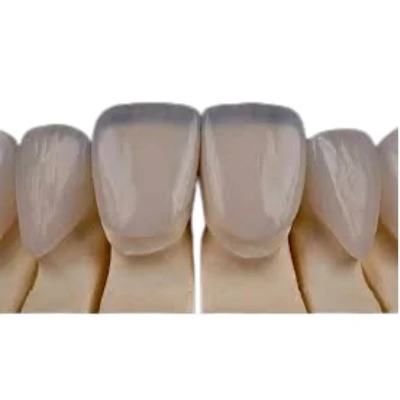
- Lack of Translucency: Compared to all-porcelain restorations, PFM dental bridges may have less translucency. This can result in a slightly artificial appearance, especially in the front teeth area where the light passes through the teeth in a more natural way. In patients with a high smile line, the lack of translucency may be more apparent and less desirable.
Considerations for Using PFM Dental Bridges in High Smile Line Patients
- Patient Expectations: It is crucial to have an open and honest discussion with the patient about their expectations and the potential limitations of PFM dental bridges. Explain the possibility of gingival discoloration and the differences in appearance compared to other types of restorations. This will help manage the patient's expectations and ensure that they make an informed decision.
- Clinical Evaluation: The dentist should conduct a thorough clinical evaluation of the patient's oral condition, including the smile line, gingival health, and the position of the remaining teeth. This will help determine if a PFM dental bridge is a suitable option. For example, if the patient has healthy gingival tissue with minimal recession, the risk of visible discoloration may be lower.
- Material Selection: There are different types of metals and porcelains available for PFM dental bridges. Choosing a high-quality metal with a low risk of corrosion and a porcelain that closely matches the natural tooth shade can improve the aesthetic outcome. Additionally, some advanced techniques, such as using a lingual metal framework and facial porcelain, can reduce the visibility of the metal margin.
Alternatives to PFM Dental Bridges for High Smile Line Patients
- All-Porcelain Bridges: All-porcelain bridges offer excellent aesthetic results, with high translucency and a natural appearance. They do not cause gingival discoloration, making them a preferred choice for patients with a high smile line. However, they may be less durable than PFM bridges and are more prone to chipping.
- Zirconia Bridges: Zirconia is a strong and biocompatible material that can be used to fabricate dental bridges. It has good aesthetic properties and is less likely to cause gingival discoloration compared to PFM bridges. Zirconia bridges are also more resistant to chipping than all-porcelain bridges.
Our Offerings as a PFM Dental Bridge Supplier
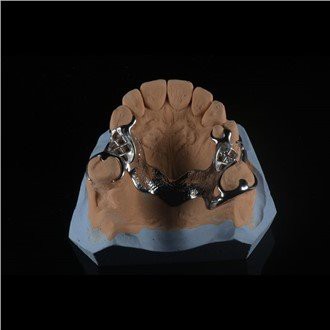
At our company, we take pride in providing high-quality PFM dental bridges. Our PFM Precision Crowns with Partial Dentures are designed with precision to ensure a perfect fit and excellent functionality. The combination of a well-crafted metal framework and high-quality porcelain results in a durable and aesthetically pleasing restoration.
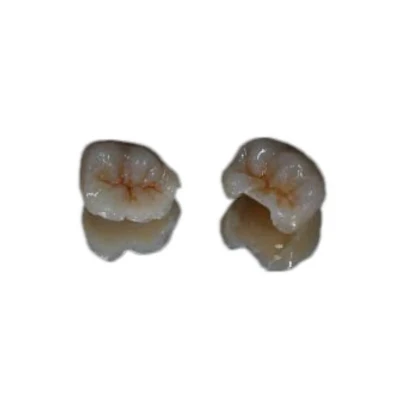
Our PFM Ceramic Crowns are known for their natural-looking appearance. We use advanced ceramic materials that closely mimic the color and transparency of natural teeth, reducing the risk of an artificial look.
In addition, our PFM Implant Crown Bridge offers a reliable solution for replacing missing teeth in patients with dental implants. The strong metal structure provides stability, while the porcelain coating gives a beautiful and natural finish.
Conclusion
In conclusion, while PFM dental bridges can be used in patients with a high smile line, there are several factors to consider. The potential for gingival discoloration and the lack of translucency compared to all-porcelain or zirconia restorations are limitations that need to be weighed against the strength and durability benefits. By having a detailed discussion with the patient, conducting a thorough clinical evaluation, and selecting the appropriate materials, a dentist can achieve a satisfactory outcome with PFM dental bridges.
If you are a dental professional looking for high-quality PFM dental bridges, we would be happy to discuss your needs. Our team of experts can provide you with more information about our products and assist you in making the right choice for your patients. Contact us today to start a procurement discussion and take your dental restorations to the next level.
References
- [Author, A. B. (Year of publication). Title of the article. Journal name, Volume(Issue), Page numbers.]
- [Author, C. D. (Year of publication). Title of the book. Publisher.]