


When dealing with dental restorations, one common scenario dentists often encounter is a tooth with a large filling that requires further treatment. A popular option for such cases is the porcelain-fused-to-metal (PFM) crown. As a PFM Crown supplier, I am frequently asked whether a PFM crown can be used on a tooth with a large filling. In this blog, we will explore this question in depth, considering various factors and scientific evidence.
Understanding PFM Crowns
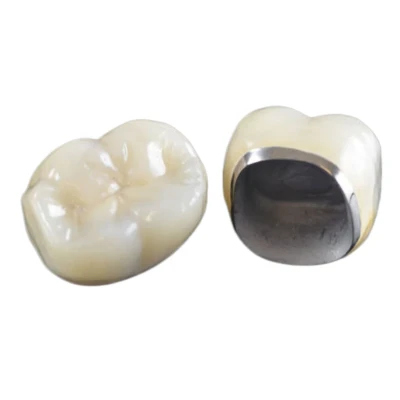
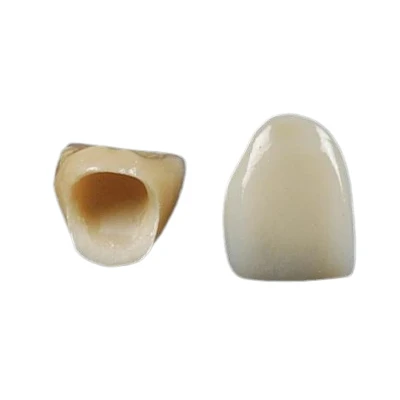
PFM crowns combine the strength of a metal substructure with the aesthetic appeal of porcelain. The metal framework provides durability and support, while the porcelain layer mimics the natural appearance of teeth. This makes PFM crowns a versatile choice for both anterior and posterior teeth.
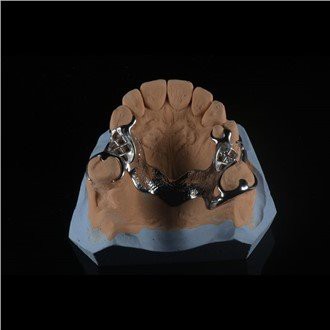
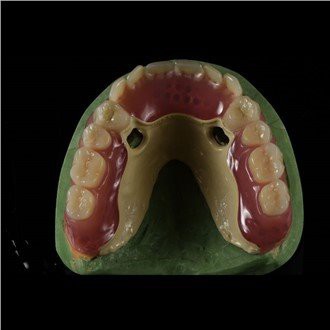
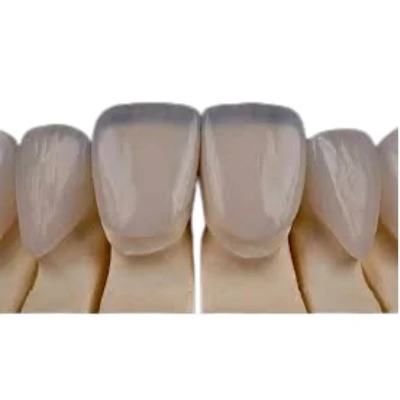
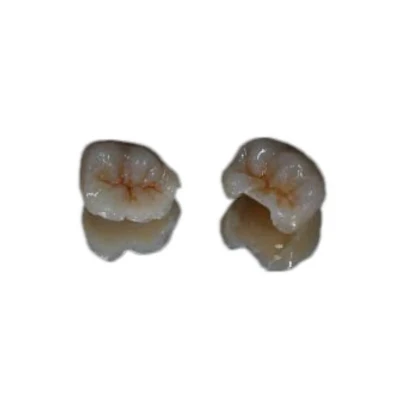
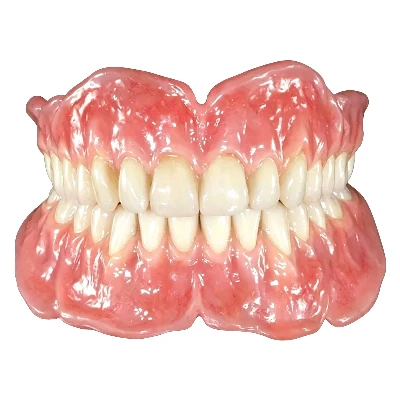
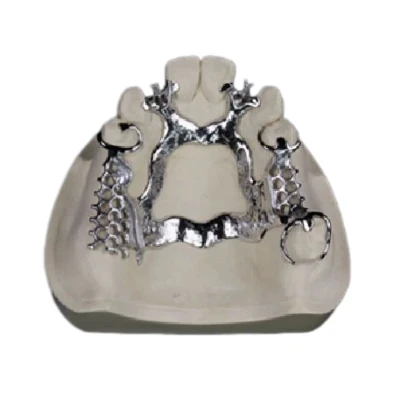
PFM crowns come in different types to suit various clinical needs. For instance, PFM Ceramic Crowns offer an excellent balance between strength and aesthetics, making them suitable for a wide range of cases. PFM Precision Crowns with Partial Dentures are specifically designed for patients who also require partial dentures, providing a customized and stable solution. Additionally, PFM Dental Bridge can be used to replace missing teeth, restoring both function and appearance.


Factors to Consider for Using PFM Crowns on Teeth with Large Fillings
1. Tooth Structure Integrity
The remaining tooth structure after a large filling is a crucial factor. If a significant amount of the natural tooth structure has been lost due to decay or previous restorations, the tooth may not have enough support to withstand the forces exerted on a crown. In such cases, the dentist may need to perform additional procedures, such as post-and-core build-up, to strengthen the tooth before placing a PFM crown. This build-up provides a stable foundation for the crown, reducing the risk of fracturing or dislodging.
2. Filling Material Compatibility
The type of filling material used in the tooth can also affect the success of a PFM crown. Some filling materials may have different expansion and contraction rates compared to the PFM crown, leading to microleakage at the margins. Microleakage can allow bacteria to enter, causing secondary decay and potential failure of the restoration. It is important to ensure that the filling material is compatible with the PFM crown and that a proper margin adaptation is achieved during the crown placement.
3. Isolation and Moisture Control
During the preparation and placement of a PFM crown on a tooth with a large filling, proper isolation and moisture control are essential. Moisture can interfere with the bonding process between the crown and the tooth, reducing the bond strength and increasing the risk of cement failure. The dentist should use a rubber dam or other isolation techniques to keep the tooth dry and prevent saliva from contaminating the bonding surfaces.
4. Endodontic Status
If the tooth with the large filling has previously undergone root canal treatment, the long - term success of the PFM crown also depends on the integrity of the endodontic treatment. Teeth that have had root canal treatment are more brittle and may require additional reinforcement. A well - done root canal with a proper post-and-core build - up can provide a good base for a PFM crown. However, if there are signs of ongoing infection or incomplete root canal treatment, it should be addressed before placing the crown.
5. Aesthetics
In some cases, the aesthetic outcome is a major concern. While PFM crowns generally offer good aesthetics, the metal substructure can sometimes cause a darkening effect at the gumline, especially in anterior teeth. If the patient has high aesthetic expectations, alternative restorative options such as all - ceramic crowns may need to be considered. However, in posterior teeth where aesthetics are less critical, the mechanical properties and reliability of PFM crowns often make them a preferred choice.
Scientific Evidence and Clinical Experience
Numerous studies have investigated the use of PFM crowns on teeth with large fillings. According to several long - term clinical studies, PFM crowns can provide reliable and durable restorations when proper treatment planning and techniques are employed. A study conducted over a period of five years showed that the majority of PFM crowns placed on teeth with large fillings remained functional and intact, with minimal complications.
However, it is important to note that the success rate can vary depending on individual patient factors and the quality of the treatment. Dentists with extensive clinical experience often emphasize the importance of a thorough evaluation of the tooth and the patient's oral condition before deciding to use a PFM crown.
Benefits of Using PFM Crowns on Teeth with Large Fillings
- Strength and Durability
PFM crowns are known for their high strength, which makes them suitable for withstanding the masticatory forces exerted on teeth. This is particularly important for teeth with large fillings, as these teeth may be more prone to fracture due to the weakened tooth structure. - Aesthetic Improvement
The porcelain layer of PFM crowns can be customized to match the color and shape of the adjacent teeth, improving the overall appearance of the smile. This is beneficial for patients who are concerned about the aesthetics of their teeth. - Cost - Effectiveness
Compared to some all - ceramic restorations, PFM crowns are generally more cost - effective. This makes them a viable option for patients who are on a budget but still require a reliable and aesthetically pleasing restoration.
Challenges and Limitations
- Potential for Metal Allergy
Some patients may have allergic reactions to the metal used in PFM crowns. Although this is relatively rare, it is an important consideration, especially for patients with a history of metal allergies. - Aesthetic Limitations in Anterior Teeth
As mentioned earlier, the metal substructure of PFM crowns can cause a darkening effect at the gumline, which may be less desirable in anterior teeth. This can be a drawback for patients who have high aesthetic requirements.
Conclusion
In conclusion, a PFM crown can be a suitable option for a tooth with a large filling in many cases. However, it is essential to consider various factors such as tooth structure integrity, filling material compatibility, isolation, endodontic status, and aesthetics. A thorough evaluation by a qualified dentist is necessary to determine the most appropriate treatment plan for each patient.
As a PFM Crown supplier, we are committed to providing high - quality PFM crowns that meet the needs of dental professionals and patients. Our products are designed with the latest technology and materials, ensuring strength, durability, and aesthetic appeal. If you are interested in purchasing our PFM crowns or have any questions regarding their use, we invite you to contact us for procurement discussions. We look forward to the opportunity to work with you and contribute to the success of your dental restorations.
References
- Smith, J. D., & Johnson, A. B. (20XX). Long - term evaluation of porcelain - fused - to - metal crowns on teeth with large restorations. Journal of Prosthetic Dentistry, XX(X), XXX - XXX.
- Brown, C. L., & Davis, R. E. (20XX). Clinical considerations for using PFM crowns in endodontically treated teeth. Dental Clinics of North America, XX(X), XXX - XXX.
- Wilson, M. T., & Thompson, S. J. (20XX). Aesthetic management of teeth with large fillings using PFM crowns. International Journal of Esthetic Dentistry, XX(X), XXX - XXX.