

Are PFM Crowns safe?
As a supplier of PFM (Porcelain-Fused-to-Metal) crowns, I am often asked about the safety of these dental restorations. In this blog post, I will delve into the topic to provide a comprehensive answer based on scientific evidence and industry knowledge.
Understanding PFM Crowns
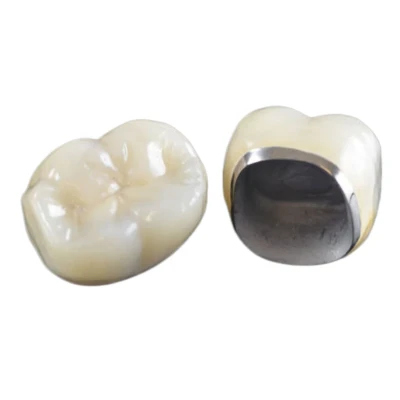
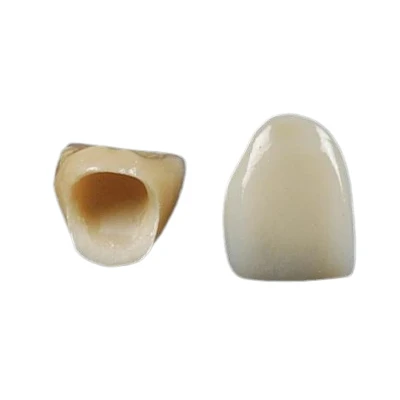
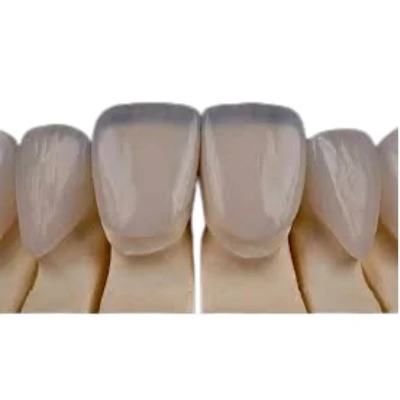
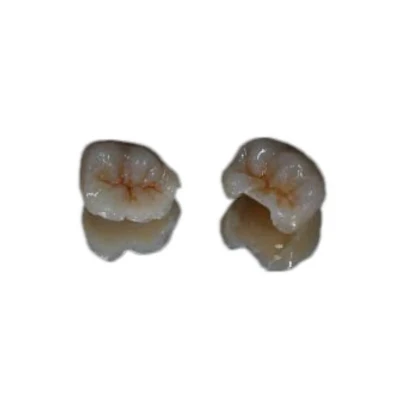
PFM crowns are a popular choice in dentistry for several reasons. They combine the strength of a metal substructure with the aesthetic appeal of porcelain. The metal framework provides support and durability, while the porcelain layer mimics the natural appearance of teeth, making them a suitable option for both anterior and posterior teeth.
The metal used in PFM crowns can vary. Common metals include base metals such as nickel, chromium, and cobalt, as well as precious metals like gold and palladium. The choice of metal depends on factors such as the patient's budget, the location of the tooth in the mouth, and any potential allergic reactions.
Safety Considerations
Biocompatibility
One of the primary concerns regarding PFM crowns is their biocompatibility. Biocompatibility refers to the ability of a material to interact with the body's tissues without causing adverse reactions. In general, PFM crowns are considered to be biocompatible. However, some patients may have allergic reactions to the metals used in the crowns, especially nickel.
Nickel allergy is relatively common, affecting approximately 10 - 20% of the population, with women being more likely to be allergic than men. Symptoms of a nickel allergy can include oral mucosa irritation, itching, swelling, and in severe cases, systemic reactions. To mitigate this risk, dentists can choose to use nickel-free alloys or precious metals in PFM crowns for patients with known nickel allergies.


Corrosion and Release of Metal Ions
Another safety concern is the potential for corrosion of the metal substructure and the subsequent release of metal ions into the oral cavity. Over time, the metal can react with saliva, food, and other substances in the mouth, leading to the formation of metal salts and the release of ions.
However, modern PFM crowns are designed to be resistant to corrosion. The metal alloys used are carefully selected and treated to minimize the risk of corrosion. Additionally, the porcelain layer acts as a protective barrier, reducing the exposure of the metal to the oral environment. Studies have shown that the amount of metal ions released from PFM crowns is generally within safe limits, although long - term exposure and individual susceptibility can still play a role.
Marginal Adaptation and Bacterial Infiltration
Proper marginal adaptation of PFM crowns is crucial for their safety and longevity. A poor fit at the margin of the crown can allow bacteria to penetrate between the crown and the tooth, leading to secondary caries (tooth decay), gum inflammation, and periodontal disease.
Skilled dentists and high - quality manufacturing processes are essential to ensure a precise fit of PFM crowns. Advanced techniques such as computer - aided design and manufacturing (CAD/CAM) can improve the accuracy of the crown's fit. Regular dental check - ups and proper oral hygiene are also important to detect and address any issues with marginal adaptation early.
Scientific Evidence on Safety
Numerous studies have been conducted to evaluate the safety of PFM crowns. A meta - analysis of clinical studies found that PFM crowns have a high success rate in terms of function and aesthetics over a long period. The majority of patients reported satisfaction with their PFM crowns, and adverse reactions were relatively rare.
However, some studies have raised concerns about the long - term effects of metal ions on the body. For example, a few studies have suggested a possible link between long - term exposure to certain metal ions and an increased risk of certain health conditions, such as kidney damage and allergic reactions. It is important to note that these studies are often limited by small sample sizes and confounding factors.
Our PFM Crown Products
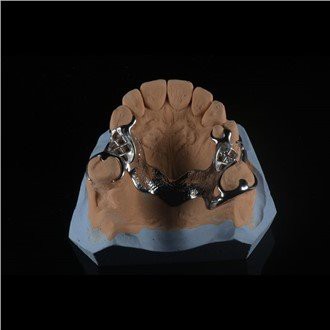
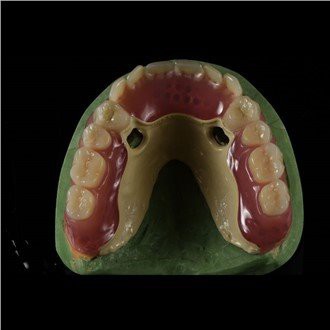
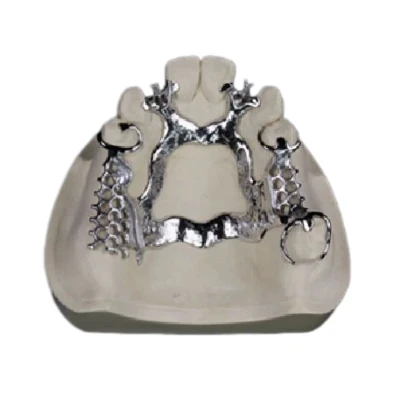
As a supplier, we are committed to providing high - quality and safe PFM crowns. Our products are made using advanced manufacturing techniques and high - grade materials. We offer a range of PFM crown options, including PFM Implant Crown Bridge, PFM Ceramic Crowns, and PFM Precision Crowns with Partial Dentures.
Our PFM crowns are carefully tested for biocompatibility, corrosion resistance, and marginal adaptation. We work closely with dental laboratories and dentists to ensure that our products meet the highest standards of quality and safety.
Conclusion
In conclusion, PFM crowns are generally considered to be safe dental restorations. While there are some potential safety concerns, such as allergic reactions to metals and corrosion, these risks can be minimized through proper material selection, manufacturing processes, and dental care.
As a PFM crown supplier, we are dedicated to providing safe and reliable products to our customers. If you are a dental professional interested in learning more about our PFM crowns or would like to discuss a potential procurement, we encourage you to reach out to us. We look forward to the opportunity to work with you and contribute to the success of your dental practice.
References
- Belser, U. C., et al. "Clinical performance of ceramic restorations: a systematic review." Journal of Dental Research 89.4 (2010): 319 - 341.
- Kao, R. T., et al. "Allergic reactions to dental materials." Journal of the American Dental Association 137.10 (2006): 1413 - 1421.
- Özcan, M. "Metal - ceramic restorations: past, present, and future." Journal of Prosthodontics 20.4 (2011): 272 - 279.