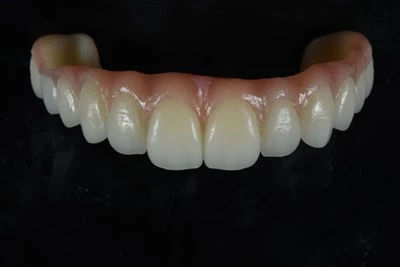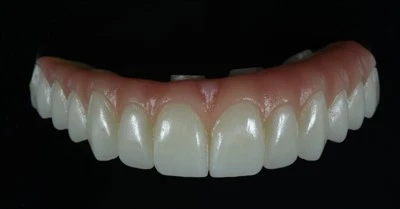
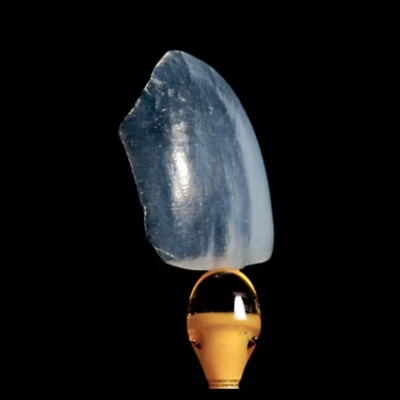
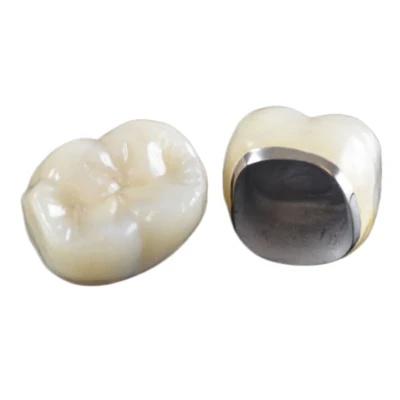
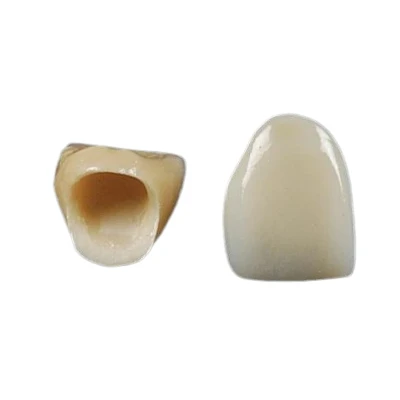
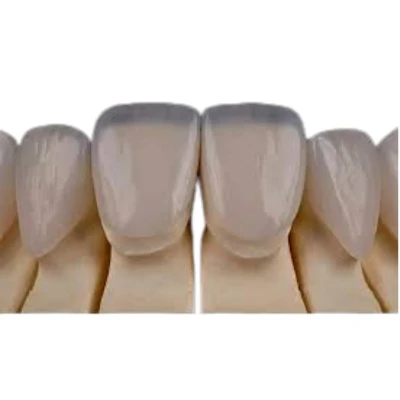
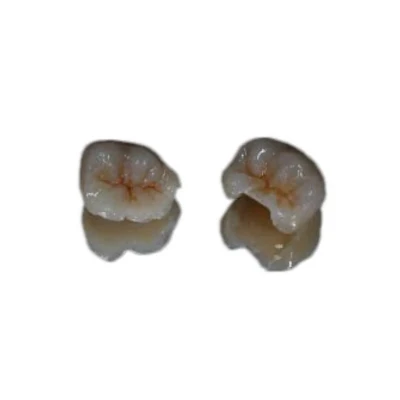
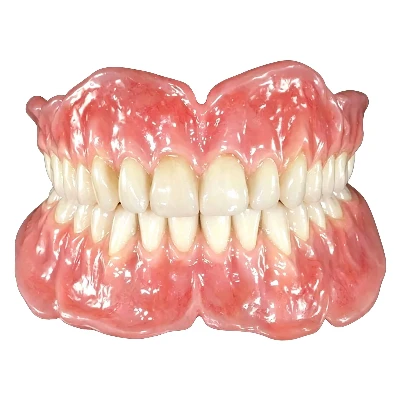

Modern ceramic crowns, especially zirconia, are usually stronger than traditional porcelain crowns. But porcelain is also a type of ceramic, so the real question is which specific ceramic material fits the case.
Dentists and labs face this comparison daily when choosing restorations that survive real-world bite forces without constant remakes. Traditional porcelain works in low-stress spots but falls short elsewhere. Newer ceramics change the game.

Quick Answer: Modern Ceramic Crowns Are Usually Stronger
If "ceramic crowns" means zirconia or lithium disilicate, they outperform traditional porcelain in strength for most situations. Zirconia reaches flexural strength of 900–1,200 MPa. Lithium disilicate sits around 360–400 MPa. Traditional feldspathic porcelain lands at roughly 100 MPa or below, making it prone to fracture under load.
Porcelain itself belongs to the ceramic family. The term "porcelain crown" often refers to layered feldspathic material or the veneer on PFM restorations. This loose naming creates confusion. A monolithic zirconia crown handles heavy posterior forces far better than a classic porcelain option. Yet strength alone does not decide success. Fit, thickness, occlusion, and lab processing matter just as much.
Labs see the difference in daily production. Cases with incomplete prep data or thin occlusal clearance return more often for adjustments when weaker materials are chosen.
Porcelain vs Ceramic Crowns: Why the Terms Are Often Confusing
Porcelain is a specific type of ceramic made primarily from feldspathic glass. Ceramic serves as the broad category that includes everything from delicate feldspathic porcelain to high-strength polycrystalline zirconia.
What Is a Porcelain Crown?
A porcelain crown typically points to restorations built from feldspathic porcelain or layered ceramics. These deliver excellent translucency and natural light reflection, ideal for anterior esthetics. Standalone traditional porcelain lacks toughness for posterior use. When layered over metal in PFM designs, the porcelain veneer handles appearance while the metal substructure carries load. The veneer itself remains the weak point and chips in 5–10% of cases over time, especially under heavy occlusion.
What Is a Ceramic Crown?
Ceramic crown covers a wide range: feldspathic, glass ceramics like lithium disilicate, and polycrystalline options like zirconia. Strength varies dramatically across these. All-ceramic crowns eliminate metal entirely, which improves biocompatibility and avoids dark margins, but performance depends entirely on the chosen material.
Where PFM Crowns Fit In
PFM crowns combine a metal coping with porcelain layering. The metal gives solid structural support for posterior teeth on a budget. Over years, however, the porcelain can chip, exposing metal or creating rough surfaces. Modern all-ceramic options have reduced these issues in properly designed cases.
The key takeaway: label alone tells little. Examine the actual material and clinical demands.
Strength Comparison by Crown Material
This table breaks down common options by real performance numbers seen in lab and clinical settings:
|
Crown Material |
Flexural Strength (MPa) |
Esthetics |
Best Use |
Main Limitation |
|
Traditional feldspathic porcelain |
~100 |
Excellent |
Low-load anterior |
Brittle, high fracture risk |
|
PFM |
Moderate (metal-driven) |
Good |
Budget posterior |
Veneer chipping over time |
|
Lithium disilicate (e.max) |
360–400 |
Excellent |
Anterior, premolars |
Needs adequate thickness & bonding |
|
Monolithic zirconia |
900–1,200 |
Good to improved |
Molars, implants, bruxism |
Translucency varies by type |
Traditional Porcelain: Beautiful but More Brittle
Feldspathic porcelain shines in light transmission and shade matching for front teeth. Its low strength limits it to minimal-load areas. In posterior or bruxism cases, these crowns fracture more readily. Labs milling thin anterior veneers from this material watch margins closely to avoid breakage during try-in.
Lithium Disilicate / E.max: A Balance of Strength and Esthetics
Lithium disilicate offers a practical middle ground. At 360–400 MPa, it supports single crowns in anterior and premolar regions effectively when bonded well and given proper reduction. Dentists like it for cases needing high esthetics without sacrificing too much durability. It performs less reliably in heavy posterior load or limited clearance.
Zirconia: Usually the Strongest Ceramic Crown Option
Monolithic zirconia delivers the highest fracture resistance among common ceramics. Full-strength versions reach 1,000+ MPa and suit molars, bridges, implants, and bruxers. Modern high-translucent zirconia improves appearance while keeping most of that strength. Labs using 5-axis milling machines achieve precise fit that reduces chairside adjustments.
Zirconia does not mean opaque anymore. Multi-layer blocks now balance strength and looks for more zones.

Strength Does Not Always Mean Long-Term Success
High flexural strength numbers mean little if other factors fail. Crowns crack in the mouth when thickness drops below requirements, prep lacks retention form, or occlusion sits too high.
Thickness, Preparation, and Occlusal Clearance
Material needs space to work. Zirconia performs best with 1.0–1.5 mm occlusal reduction in molars. Lithium disilicate requires careful 1.0+ mm thickness plus adhesive bonding. Inadequate clearance forces thin spots that become failure points regardless of material.
Occlusion and Bruxism Risk
Patients who grind or clench destroy restorations faster. Monolithic zirconia handles these forces best. Layered options show higher chipping rates here. Labs ask for bite records and opposing models to design proper occlusal schemes that distribute load evenly.
Lab Processing and Quality Control
CAD/CAM design, accurate milling, correct sintering temperatures, and final polishing all affect outcomes. Poor sintering leaves zirconia weaker. Rough surfaces increase opposing tooth wear. Thorough QC on margins, contacts, and occlusion before shipping cuts remake rates sharply. Digital labs with experienced technicians deliver more consistent results than older analog workflows.
Best Crown Material by Clinical Situation
Material choice follows the tooth's position and patient conditions.
For Front Teeth
Anterior cases prioritize shade match, translucency, and natural emergence. Lithium disilicate or high-esthetic layered ceramics often win. Zirconia works when higher strength is needed, especially with dark stump shades, but requires careful material selection for seamless blending.
For Back Teeth and Molars
Posterior teeth demand fracture resistance. Monolithic zirconia stands out for molars under heavy load. It reduces fracture risk and chair time compared to layered materials.
For Implant Crowns
Implant restorations need compatible abutments, proper emergence, and load management. Zirconia (screw-retained or cemented) performs well due to strength and low wear on components. Hybrid designs appear in esthetic zones.
For Bruxism or High-Load Cases
Bruxers break weaker restorations. Prioritize monolithic zirconia with adequate thickness and protective occlusal design. Surface polishing matters - well-finished zirconia causes less wear on opposing teeth than older versions.
Porcelain or Ceramic: Which One Should Dentists Choose?
Maximum strength points to zirconia. Anterior esthetics favor lithium disilicate or select porcelain-based options. Limited space or heavy occlusion rules out fragile feldspathic materials. Balance cases suit e.max. Implants and molars lean zirconia for stability.
The cheapest material often costs more long-term through remakes and patient dissatisfaction. Labs and dentists who share complete case data - scans, bite records, photos, and risk notes - get restorations that perform.
What a Dental Lab Needs to Make the Right Material Decision
Successful outsourcing depends on information flow. Intraoral scans or accurate impressions, opposing arch data, bite records, stump and final shade information, preparation photos, and occlusal risk notes let labs select material, design thickness, and control contacts properly.
Case Information That Helps Avoid Remakes
Complete data reduces guesswork. A clear preference for screw-retained versus cemented implant crowns, desired translucency, and patient expectations guide better decisions.
How Lab Quality Control Affects Crown Strength
Margin fit, proximal contacts, occlusion checks, and surface finishing determine real-world performance. Digital design catches issues early. Final inspection before shipment catches problems that would otherwise return from the clinic.

Conclusion
Modern ceramic crowns, particularly zirconia, are stronger than traditional porcelain crowns in most clinical scenarios. The broad term "ceramic" includes materials with very different properties, so compare specifics: feldspathic porcelain, PFM, lithium disilicate, or zirconia. Tooth position, occlusion, preparation, and lab execution determine real success more than any single material name.
At ADS Dental Laboratory, we specialize in CAD/CAM zirconia, lithium disilicate, and custom restorations with precise digital workflows and strict quality control. Send us your case details for reliable, long-lasting solutions tailored to your patients. Contact our team today to discuss your next outsourcing project.
FAQ
Is porcelain stronger than ceramic?
No. Traditional porcelain is weaker than modern ceramics like zirconia or lithium disilicate.
Are ceramic crowns better than porcelain crowns?
It depends on the specific ceramic and the case. Modern options provide more strength choices overall.
Is zirconia a ceramic crown?
Yes. Zirconia is a high-strength polycrystalline ceramic widely used for durable restorations.
Which crown material is best for molars?
Monolithic zirconia usually delivers the most reliable performance in high-load posterior situations.
Do porcelain crowns chip more easily?
Yes, especially layered porcelain in posterior or bruxism cases. Monolithic designs avoid this weak interface.