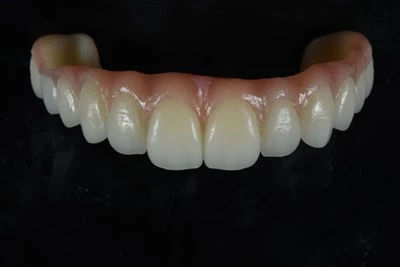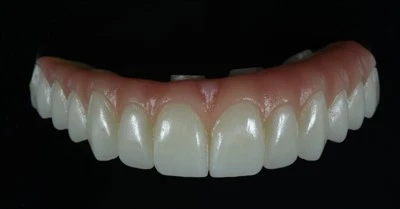
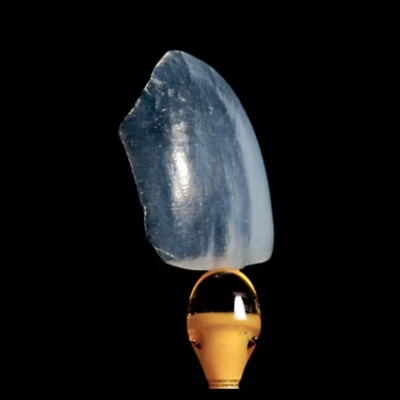
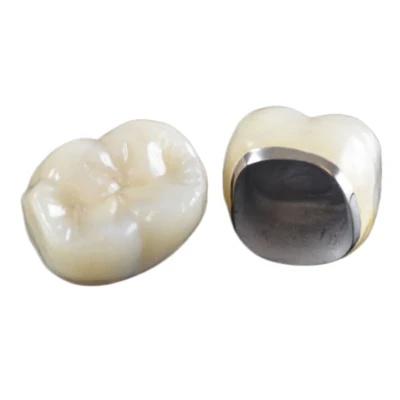
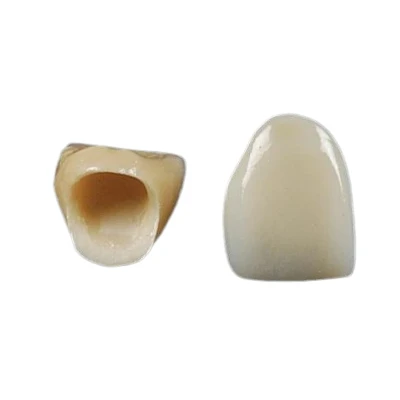
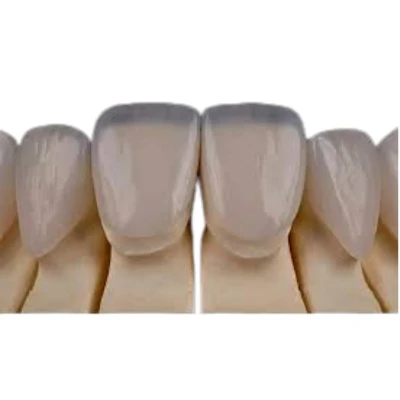
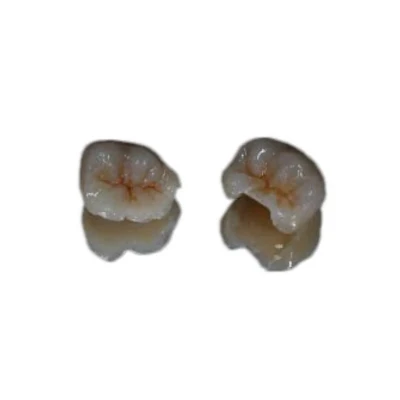
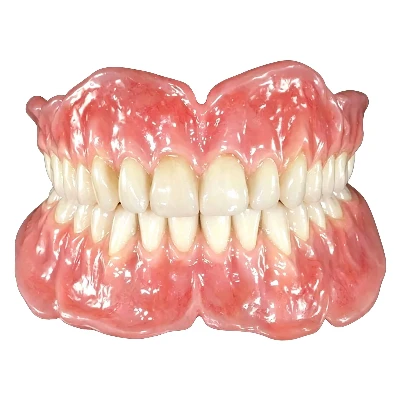
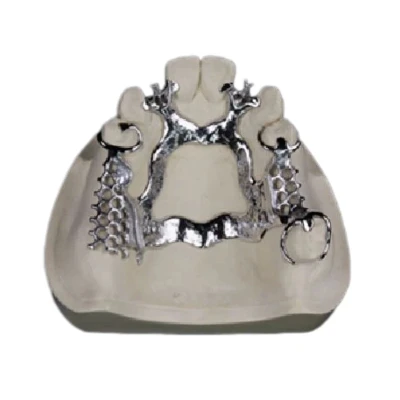
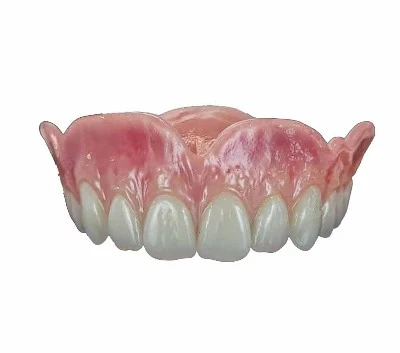
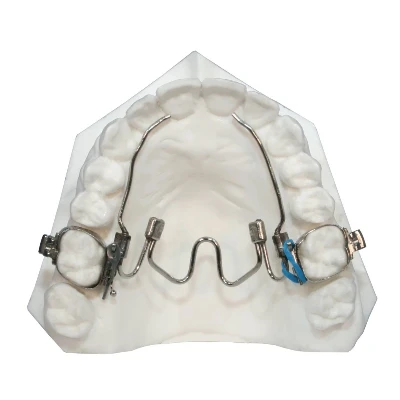
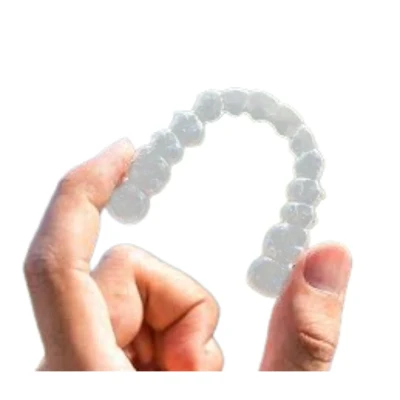
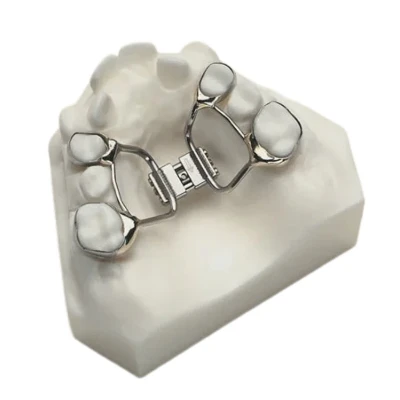


Valplast dentures are a type of flexible partial denture constructed from thermoplastic nylon resin, designed to replace missing teeth while maintaining a lightweight, metal-free structure. They are intended for selected cases where aesthetics and comfort are a priority, and where a removable option is appropriate. Unlike traditional acrylic or metal framework partial dentures, Valplast allows for tissue-colored clasps that blend with the patient's gums and a flexible base that adapts to minor anatomical variations. These characteristics make them particularly relevant for anterior aesthetic cases, limited partial tooth loss, and transitional or interim prosthetic applications.

What Material Are Valplast Dentures Made From?
Valplast is fabricated from a thermoplastic nylon resin belonging to the polyamide family. This material provides the denture with its defining properties: flexibility, lightweight, and biocompatibility. The flexible base allows for a snug fit over residual ridges while minimizing pressure on adjacent teeth. Tissue-colored clasps are molded directly into the base, eliminating the need for visible metal components. Dentures are manufactured using injection molding or hot-press thermoplastic processes, which ensures consistent adaptation and surface quality. The resin's physical properties-elasticity and dimensional stability-make it suitable for partial dentures that must accommodate complex occlusal and soft tissue contours without compromising patient comfort.
Key Benefits of Valplast Dentures
Valplast's material properties translate directly into clinical and practical advantages:
- Comfort & Adaptation: The flexible base allows for natural movement with the oral tissues, reducing localized pressure and enhancing patient acceptance. In cases where the residual ridge has undercuts or uneven contours, Valplast maintains a more intimate fit compared to rigid acrylic bases.
- Aesthetic Integration: Tissue-colored or semi-translucent clasps blend seamlessly with the gums, making the denture visually unobtrusive. This is particularly valuable in anterior regions, where visibility is critical.
- Metal-Free Structure: The elimination of metal frameworks reduces the risk of allergic reactions and avoids metallic visibility in the smile zone.
- Durability & Biocompatibility: While flexible, the nylon resin is resistant to fracture and generally non-toxic. Clinical practice shows that long-term function is contingent on design, occlusal load, and patient hygiene.
- Lightweight Design: Typical Valplast dentures weigh 3–5 grams for single to few-tooth partial dentures, enhancing comfort during extended wear.
These benefits make Valplast a practical solution for selective partial denture cases where aesthetics and comfort are prioritized. They do not, however, replace the structural support of metal frameworks in long-span or high-load situations.
Clinical Uses: When Are Valplast Dentures a Good Choice?
Single-Tooth or Multiple-Tooth Partial Denture Cases
Valplast is suitable for replacing one or a few missing teeth where a removable partial denture is clinically indicated. The flexible base reduces the need for extensive metal frameworks and allows for smoother integration over residual ridges with minor undercuts.
Anterior Aesthetic Cases
For cases involving the front teeth, where visibility and cosmetic appearance are critical, Valplast's tissue-colored clasps and semi-translucent base provide superior aesthetic integration compared to conventional acrylic or metal-based designs.
Patients Preferring Metal-Free Removable Options
Patients with metal allergies, sensitivities, or those simply requesting a non-metal solution benefit from Valplast's entirely metal-free construction. It also simplifies chairside management since no metallic clasps need adjustment or polishing.
Transitional or Interim Partial Denture Solutions
Valplast is effective as a temporary or interim prosthesis, such as in the period between extractions and implant placement or post-orthodontic spacing maintenance. Its lightweight and flexible properties make it easier to fabricate and adjust during transitional phases.
These use cases highlight that Valplast is not universally applicable but provides specific solutions in cases prioritizing aesthetics, comfort, and partial tooth replacement.
Limitations & Considerations
Repair & Adjustment Complexity
While durable, Valplast dentures require specialized equipment for adjustments, relines, or tooth additions. Chairside repair is more challenging than with acrylic dentures, and lab intervention is often necessary.
Not Suitable for All Occlusal or Large-Span Cases
Valplast is not ideal for long-span partial dentures or situations with high occlusal load. In such cases, metal frameworks or reinforced designs are preferred to maintain stability and prevent deformation.
Hygiene & Maintenance Requirements
The flexible resin can retain plaque if surface finishing is suboptimal. Patients require instruction on careful daily cleaning, avoiding hot water, and periodic professional inspection. Proper maintenance is critical to sustain fit and prevent microbial accumulation.
Case Selection Dependency
Success depends on residual ridge morphology, occlusal contacts, and patient-specific factors. Dentists must evaluate each case carefully and communicate design requirements clearly to the dental lab.

Valplast vs Acrylic Partial Dentures vs Metal Framework Dentures
|
Factor |
Valplast Dentures |
Acrylic Partial Dentures |
Metal Framework Partial Dentures |
|
Material |
Flexible nylon resin |
Acrylic resin |
Metal framework + acrylic |
|
Flexibility |
High |
Low |
Low |
|
Aesthetics |
Gum-colored, no metal |
Often visible clasps |
Metal clasp visible |
|
Comfort |
High |
Moderate |
Moderate |
|
Repairability |
Technique-sensitive, lab often required |
Easier chairside adjustments |
Dependent on lab and design |
|
Suitable Cases |
Selected aesthetic partial cases |
Temporary or economical |
Long-term, high-load support |
This comparison allows dental professionals to quickly assess where Valplast offers advantages and where traditional solutions remain preferable.
How Dental Labs Fabricate Valplast Dentures
Case Review & Design Planning
A proper workflow begins with evaluating impressions or digital scans. The lab assesses occlusal relationships, residual ridge anatomy, and clasp positioning. This step ensures the denture will fit with minimal chairside adjustment.
Processing & Finishing
Flexible nylon is processed through injection molding or hot-press thermoplastic methods. Once formed, the denture undergoes edge finishing, polishing, and occlusion verification. These steps directly impact comfort and functional longevity.
Communication & Quality Inspection
Effective collaboration between the dentist and dental lab ensures the design meets clinical and aesthetic goals. Labs verify fit, surface quality, and overall adaptation before delivery, minimizing returns or adjustments.

Conclusion
Valplast dentures provide a flexible, metal-free solution for selected partial denture cases, combining comfort, aesthetics, and biocompatibility. They are best applied where visual discretion and adaptability are priorities, but require careful case selection, professional lab fabrication, and patient instruction to maintain long-term function.
For dental professionals seeking a reliable partner for Valplast or other custom removable prosthetics, ADS Dental Laboratory offers comprehensive case review, digital workflow support, and precise fabrication to ensure predictable outcomes. Contact our team to discuss your next restorative case.
FAQs About Valplast Dentures
How should dentists prepare cases for the lab?
Provide accurate impressions or digital scans, bite registrations, shade information, opposing arch data, clasp preferences, and photos for aesthetic guidance.
Can Valplast dentures be repaired or adjusted?
Repairs and relines are more technique-sensitive than acrylic dentures. Adjustments often require lab intervention with specialized equipment.
Are Valplast dentures suitable for front teeth?
Yes, particularly in aesthetic zones, but occlusal load and ridge support must be evaluated.
How should patients maintain Valplast dentures?
Daily cleaning with soft brushes, approved cleaners, and avoiding hot water preserves fit and surface quality. Professional inspection is recommended periodically.