
When planning a crown, most dentists we work with run into the same dilemma: the patient wants something that looks perfect and lasts forever, but the clinical reality forces trade-offs.
Front teeth demand natural translucency and seamless blending. Back teeth, or patients who grind, need strength that survives years of heavy function. Porcelain (lithium disilicate) and zirconia both solve these problems, yet neither is universally "better."
This article lays out the current 2026 clinical picture: real strength numbers, survival rates, chipping risks, aesthetics differences, and when each material actually performs best.

What Are Porcelain Crowns?
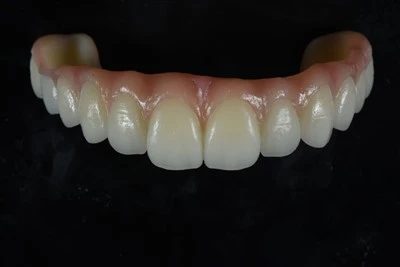
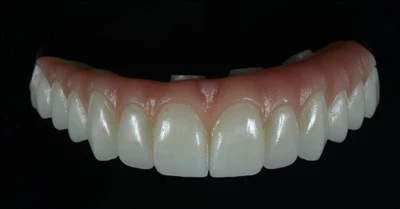
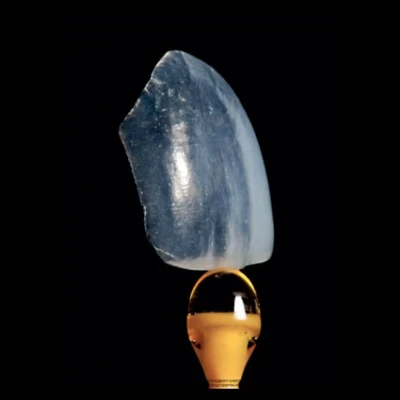
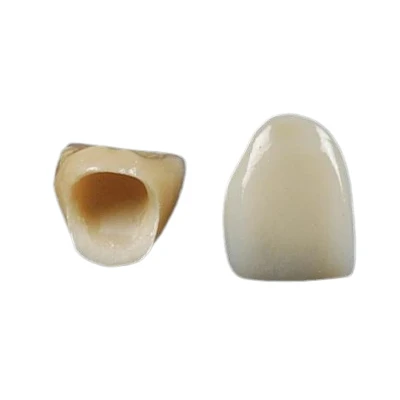
Porcelain crowns, in modern practice, almost always mean lithium disilicate glass-ceramic, the material branded as e.max is the benchmark.
It is pressed or milled, then crystallized for high translucency that closely mimics natural enamel light transmission. Shade matching is predictable, and it bonds reliably to dentin with adhesive protocols.
The main strengths are esthetics and versatility in anterior and moderate-load zones. It handles veneers, inlays, onlays, and full crowns well when bite forces stay reasonable.
Prep is slightly deeper than zirconia (typically 1.0–1.5 mm occlusal), but the payoff is a restoration that disappears into the smile.
What Are Zirconia Crowns?
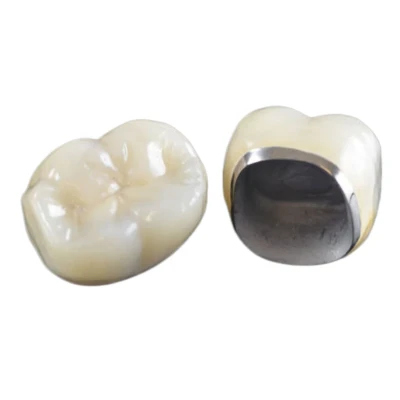
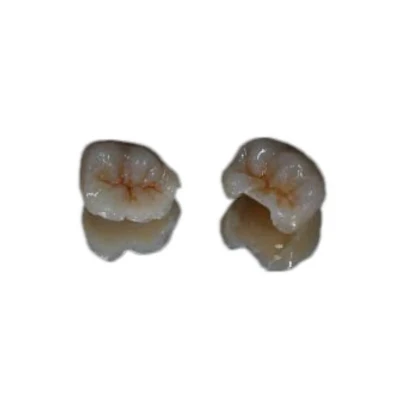
Zirconia crowns are milled from zirconium dioxide (Y-TZP blocks). Early versions were opaque white and limited to posteriors. Today, monolithic zirconia (single-layer, no porcelain veneer) handles the majority of posterior work because it resists fracture under load.
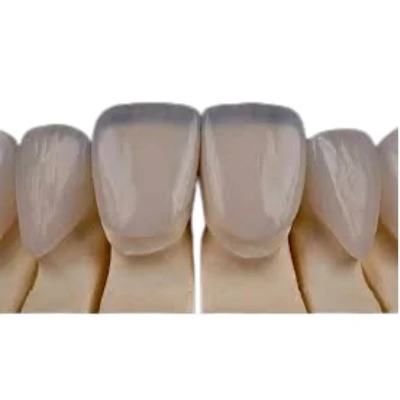
High-translucent zirconia (5Y or higher yttria) and multilayer blocks add gradient shading and improved light passage, pushing usability into anterior zones.
Its key advantages are flexural strength far above porcelain, minimal chipping in monolithic designs, and more conservative preps (0.7–1.0 mm occlusal in many protocols). CAD/CAM precision is critical here, poor sintering or design leads to fit issues or color mismatches.
Porcelain vs Zirconia: Core Clinical Comparison
Both materials rely on digital workflows. Accurate scans, correct software parameters, and controlled milling/sintering turn good material into reliable restorations.
Here is the side-by-side data from recent clinical studies and meta-analyses (2025-2026). We focus on monolithic/high-trans zirconia and lithium disilicate porcelain (e.max class), as these are the current standards.
|
Feature |
Zirconia (monolithic / high-translucent) |
Porcelain (lithium disilicate e.max type) |
Clinical Takeaway |
|
Flexural Strength |
900-1200 MPa |
360-500 MPa |
Zirconia handles heavy bite forces and bruxism much better. |
|
Chipping / Fracture Rate |
<3% (monolithic often near 0%) |
8-18% in layered; lower in monolithic but still higher risk |
Monolithic zirconia eliminates most veneer chipping issues seen in older layered designs. |
|
Survival Rate (5-year) |
95-98% (monolithic often 98-100%) |
94-98% (some studies 98.6% over longer periods) |
Both excellent short-term; zirconia edges out in posteriors under load. |
|
Survival Rate (10-year) |
86%+ (some 92-93%) |
High in anteriors; posterior slightly lower |
Zirconia shows better long-term consistency in high-stress areas. |
|
Translucency / Aesthetics |
High-trans versions TP 9-29; multilayer gradient close to natural enamel |
Superior traditional (TP ≈18.7 enamel-like) |
Porcelain wins classic front-tooth natural look; high-trans zirconia now competitive for anteriors. |
|
Biocompatibility |
Excellent, metal-free, low plaque affinity |
Excellent; no metal issues |
Both safe; zirconia slightly better gum response long-term. |
|
Tooth Preparation |
More conservative (0.7-1.0 mm occlusal) |
Slightly more (1.0-1.5 mm) |
Zirconia preserves more natural tooth structure. |
|
Opposing Tooth Wear |
Polished monolithic close to enamel-on-enamel |
Similar if adjusted well; can be slightly higher |
Minimal difference with good polishing and occlusion check. |
Data pulled from 2025 retrospective cohorts (e.g., monolithic zirconia 10-year 86% vs PFZ 71%), 5-year studies (monolithic 98-100%), and e.max long-term follow-ups (14-year 98.6% overall, but posterior onlays have a higher risk). Chipping remains the main issue for any veneered material, monolithic designs fix that.
Modern high-translucent zirconia changes things. It transmits light better and uses gradient layers for natural incisal effects. Many dentists now use it anteriorly without compromising strength.
How to Choose the Best Crown Material for Your Patient
Pick based on the case facts, not habit or material hype.
Tooth Location
If aesthetics are the primary consideration, it is recommended to choose porcelain crowns (E.max) for the front teeth to achieve the best natural light transmission effect.
High-translucent zirconia works well too, especially multilayer, when you need extra durability without sacrificing too much look.
For posterior (molars/premolars), monolithic zirconia is the clear choice. It takes the chewing load without worry.
Bite and Habits
For bruxism, clenching, heavy bite, athletes, and zirconia. Its strength prevents fractures under parafunction. Both materials are suitable if the occlusion is normal, but zirconia is more forgiving.
Aesthetics Priority
The patient desires the restoration to be as invisible as possible; it is recommended that the porcelain crown edge face outwards. To balance aesthetics and functionality, high-transmittance zirconia is often the better choice, as it has no grey lines, stable color, and strong coverage.
Other Factors
Zirconia is the safer pick for patients with metal allergies or concerns about gum recession, since it is completely metal-free and tends to show better long-term gingival response with minimal plaque buildup.
On the cost side, porcelain (lithium disilicate) often comes in slightly lower at many labs, while zirconia carries a higher upfront price due to the material and milling complexity, but it frequently delivers better long-term value through fewer fractures, less chipping, and reduced need for remakes.
How a Digital Lab Helps Get It Right
CAD/CAM is standard now, but execution matters. Precise scanning, design software settings, and sintering control affect fit, contacts, and longevity.
At ADS Dental Laboratory, we specialize in overseas custom crown services. We mill both porcelain (e.max) and the latest high-translucent/monolithic zirconia with multilayer blocks for gradient shading. Edges seal tight, colors match fast, and delivery stays consistent. We trace every material batch and support complex cases, anterior high-trans or posterior heavy-load.
If a case feels borderline, send prep scans. We can suggest material based on photos and bite info.
Maintenance Tips & Common Questions
Patients keep crowns long with the basics: brush and floss daily, skip hard/sticky foods (ice, nuts), and wear a nightguard if bruxism. Regular checkups catch small issues early.
FAQ
Is Zirconia Stronger Than Porcelain?
Yes, especially monolithic versions handle force better with almost no chipping.
Can Zirconia Go On Front Teeth?
Yes, high-translucent types now match the natural look closely enough for most anterior cases.
Which Lasts Longer?
Zirconia shows better consistency in posteriors over 10 years, both hit 10-15+ with good care.
Does Zirconia Feel Natural?
Both do after settling; polished zirconia is smooth and biocompatible.
Do Porcelain and Zirconia Crowns Have a Big Price Difference?
Zirconia usually costs a bit more due to material and milling, but pays off in fewer remakes.
Final Thoughts
Zirconia leads in strength, low chipping, and posterior longevity, monolithic and high-trans versions make it versatile. Porcelain holds the edge for classic anterior aesthetics. High-trans zirconia bridges the two worlds well in 2026.
The best material fits the patient's tooth position, habits, and expectations. Quality milling turns good material into a reliable restoration.
Need consistent overseas digital outsourcing services for zirconia or porcelain cases? Reach out to ADS. We handle the details so you focus on the patient. Send a case; We're happy to review and quote.