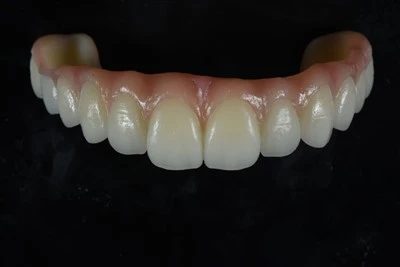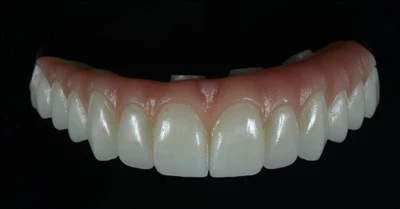
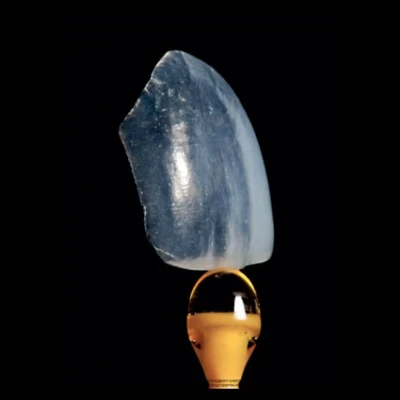
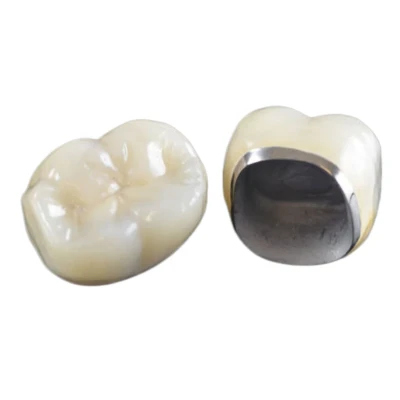
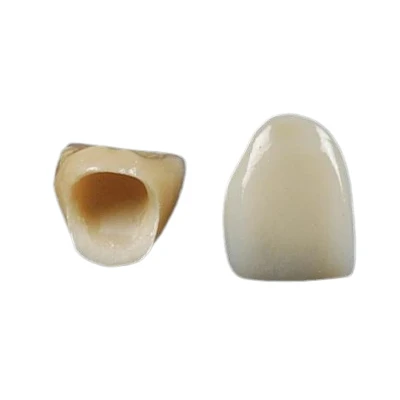
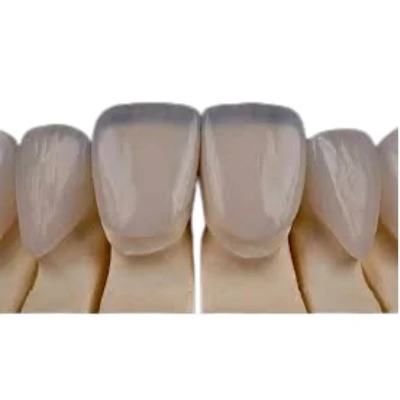
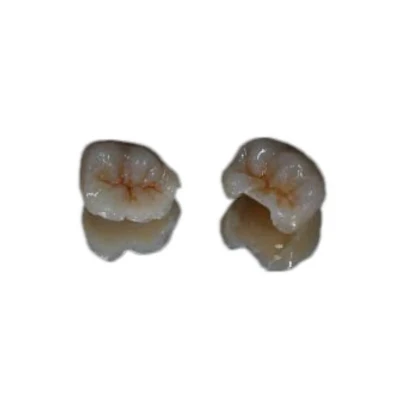


Porcelain-fused-to-metal (PFM) crowns have been a classic choice in restorative dentistry for over 35 years, striking a great balance between strength and aesthetics. Many patients and dentists still consider them a reliable option. So, how long can you expect a PFM crown to last? According to multiple clinical studies and guidelines, PFM crowns have an average lifespan of 5–15 years, and with excellent care, many can last 15 years or longer-some even reaching 20 years or more.
In practice, the longevity of a PFM crown largely depends on individual habits, the quality of crown fabrication, and the patient's overall oral health. This article takes a closer look at the average lifespan of PFM crowns and the key factors that influence their long-term performance.

PFM Crowns: Average Lifespan
PFM crowns feature a strong metal substructure for support, overlaid with porcelain that mimics the color and texture of natural teeth. Their typical lifespan is 5–15 years. Reliable sources such as Cleveland Clinic, Healthline, and long-term clinical reviews consistently report that with proper care, most PFM crowns perform well for 10–15 years, though those in the back teeth (molars) may wear slightly faster due to higher chewing forces.
Comparison with other popular materials (based on recent studies and data):
- Zirconia crowns: Survival rates over 5 years are comparable or slightly higher than PFM (often 95–98% vs. around 92–97% for PFM in various studies). Zirconia offers excellent strength, biocompatibility, and improved aesthetics in modern versions, but earlier types could be more prone to brittleness-now largely resolved.
- All-ceramic crowns: Superior translucency and natural appearance, especially for front teeth, but with a slightly higher risk of chipping. Overall lifespan also typically falls in the 10–15 year range.
PFM remains a strong, cost-effective choice for posterior teeth where durability and bite force are priorities.

Key Factors Affecting PFM Crown Longevity
1. Underlying Tooth Health & Preparation
- Teeth that have undergone root canal treatment are more brittle; crowns significantly reduce fracture risk (by about 60% compared to no crown).
- Large fillings or extensive decay weaken the tooth structure-high-quality preparation and a well-fitting crown help redistribute biting forces effectively.
2. Material & Fabrication Quality
- Poor marginal fit can cause microleakage, leading to secondary decay.
- Uneven porcelain thickness or inadequate bonding increases the chance of cracking under stress.
- Noble metal alloys (e.g., gold-based) provide better biocompatibility and corrosion resistance than base metals.
3. Oral Hygiene & Daily Habits
- Plaque accumulation at the gumline can lead to gum disease and decay beneath the crown.
- Nighttime bruxism (teeth grinding) accelerates wear- a custom nightguard is highly recommended.
4. Harmful Chewing Habits
Biting on ice, hard candy, pens, or other non-food items frequently causes porcelain fractures.
Common Reasons Why PFM Crowns Fail
- Porcelain Fracture: The outer porcelain layer chips or cracks, especially if thin or under excessive force.
- Recurrent (Secondary) Decay: Poor hygiene allows bacteria to seep under the crown margins.
- Gum Recession & Dark Lines: Exposed metal edges become visible as gums recede, affecting appearance (more noticeable in front teeth).
- Cement Failure: Adhesive degradation or insufficient strength leads to loosening over time.
How to Make PFM Crowns Last Longer
1. Strengthen Oral Hygiene
- Brush twice daily with fluoride toothpaste and floss or use an interdental cleaner around crown margins.
- Get professional cleanings every 6 months to remove plaque and tartar buildup.
2. Protect from Physical Stress
- Avoid chewing on hard objects like ice, nuts in shells, or using teeth as tools.
- Wear a custom nightguard if you grind your teeth at night.
3. Commit to Regular Checkups
Visit your dentist every 6 months for early detection of cracks, loosening, or early decay.
4. Choose High-Quality Materials & Craftsmanship
- Opt for noble metal bases for better long-term performance.
- Use digitally fabricated PFM crowns (such as those from ADS Dental Laboratory Ltd's CAD/CAM processes), which offer superior marginal precision, uniform porcelain layering, and reduced risks of chipping or leakage-helping extend lifespan significantly.
Conclusion
PFM crowns are a reliable, cost-effective restoration option with an average lifespan of 5–15 years-and excellent cases often exceed this range. While newer materials like zirconia excel in certain aesthetics and long-term performance aspects, PFM continues to hold strong value for posterior teeth due to its proven durability and affordability. To maximize longevity, prioritize excellent oral hygiene, mindful chewing habits, and consistent professional maintenance.
Considering PFM crowns, or already have them and want to evaluate replacement or maintenance? Feel free to contact ADS Dental Laboratory Ltd. As a leading digital dental lab in China, we specialize in high-precision CAD/CAM workflows and premium materials to deliver more accurate, durable restorations for dentists and patients. Get a free digital solution consultation or quote today-help make your smile last with confidence!