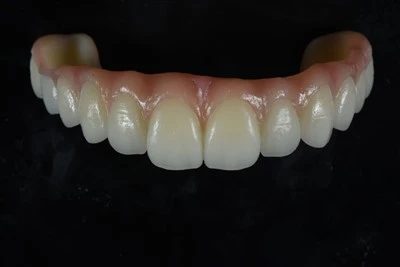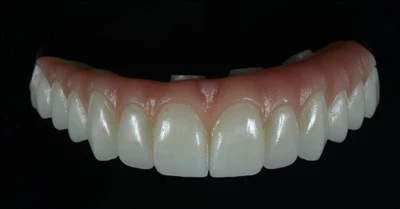
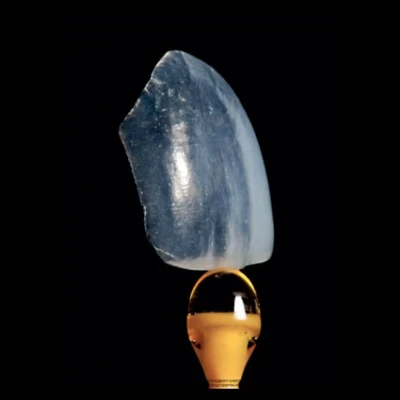
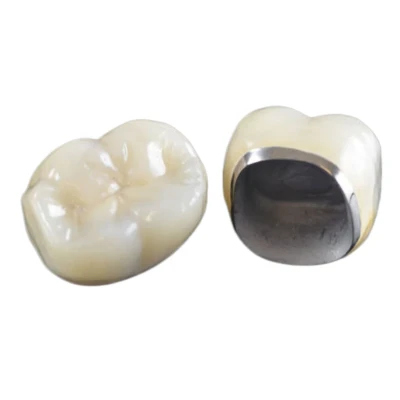
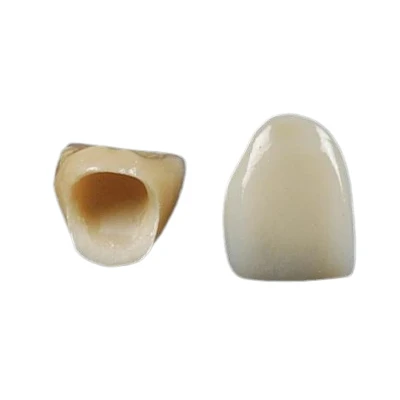
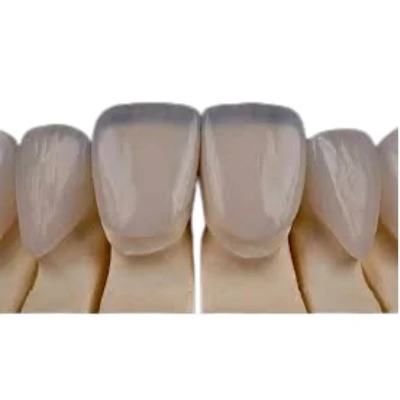
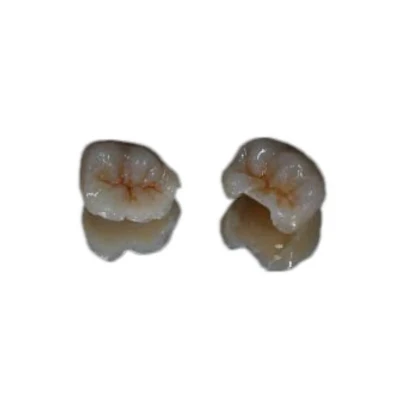
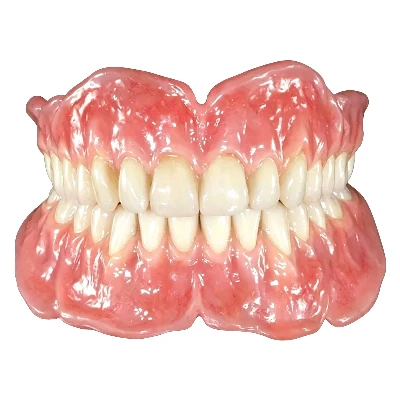


In today's field of dental restorations, zirconia crowns have become one of the preferred solutions for dentists and patients. This article will comprehensively explain the advantages of zirconia crowns, the production workflow in a professional dental laboratory, the key factors that affect quality, and how to choose a reliable zirconia crown supplier, with particular attention to the competitive advantages of Chinese digital dental laboratories. For dental clinics and procurement decision-makers, understanding this professional knowledge will help you make informed outsourcing decisions and ensure patients receive high-quality restorations that are both aesthetic and durable.

Introduction to Zirconia Crowns and Their Advantages in Modern Dental Restorations
A zirconia crown is an all-ceramic dental restoration made from zirconium dioxide. In recent years, it has become widely popular due to its outstanding performance characteristics. Compared with traditional porcelain-fused-to-metal crowns or other all-ceramic crowns, zirconia crowns demonstrate significant advantages in multiple aspects, making them a mainstream choice in modern dental restorations.
Strength and durability are the most prominent characteristics of zirconia crowns. The flexural strength of zirconia material can reach up to 1200 MPa, far higher than other all-ceramic materials, and even exceeding the strength of natural enamel. This exceptional strength makes zirconia crowns particularly suitable for posterior restorations, as they can withstand strong chewing forces without fracturing or excessive wear. Clinical studies show that high-quality zirconia crowns can last more than 10 years, providing patients with a long-term restorative solution.
In terms of aesthetics, modern zirconia technology has made significant progress. The development of multilayer zirconia materials enables restorations to mimic the translucency and color gradient of natural teeth, achieving a highly natural aesthetic outcome. Unlike early monotone zirconia, today's product lines such as BruxZir® Esthetic offer multiple levels of translucency and can accurately match the optical characteristics of adjacent teeth. Professional dental laboratories can further enhance the natural appearance of restorations through personalized staining and glazing techniques, meeting the needs of anterior restorations with high aesthetic requirements.
Biocompatibility is another important advantage of zirconia crowns. As an inert ceramic material, zirconia does not cause allergic reactions or gingival irritation, and it does not lead to gingival margin discoloration like some metal restorations may. This high level of tissue compatibility makes zirconia crowns especially suitable for patients who are sensitive to metals, as well as user groups who focus on long-term oral health.
From a clinical perspective, zirconia crowns allow for more conservative tooth preparation. Due to their high strength, zirconia crowns can be made thinner (as thin as 0.3 mm) without compromising function or service life. This means dentists can preserve more healthy tooth structure, aligning with the concept of minimally invasive treatment in modern dentistry. At the same time, precise edge fit reduces the risk of microleakage and helps ensure long-term restorative success.
Table: Comparison of zirconia crowns with other common crown restoration materials
|
Property |
Zirconia Crown |
Porcelain-Fused-to-Metal Crown |
All-Ceramic Crown (Lithium Disilicate) |
Metal Crown |
|
Flexural strength |
900–1200 MPa |
90–110 MPa (porcelain layer) |
350–400 MPa |
Up to 1500 MPa |
|
Aesthetics |
Excellent (multilayer zirconia) |
Good (metal shade may show through) |
Excellent |
Poor |
|
Biocompatibility |
Excellent |
Possible metal allergy |
Excellent |
Possible allergy |
|
Tooth preparation amount |
Moderate |
More |
More |
Least |
|
Long-term gingival health |
Excellent |
Possible marginal staining |
Excellent |
Possible marginal staining |
The widespread use of zirconia crowns also benefits from the development of digital dentistry technologies. Through CAD/CAM (computer-aided design/manufacturing) systems, dental laboratories can achieve a highly precise restoration production process with fully digital control from scanning and design to milling. This technology not only improves accuracy and consistency, but also shortens production time, allowing patients to receive the final restoration more quickly.
It is worth noting that zirconia crowns are also particularly suitable for pediatric dental restorations. As mentioned in the search results, pediatric zirconia crowns have super durability and safety features that can meet the special needs of children's teeth. These crowns can withstand the challenges of children's active lifestyles while maintaining a natural and aesthetic appearance.
In summary, zirconia crowns combine the unique advantages of strength, aesthetics, and biocompatibility, making them the gold standard in modern dental restorations. With continuous advances in materials science and digital manufacturing technologies, the performance and application scope of zirconia restorations will continue to expand, offering more possibilities for dentists and patients.

Complete Workflow for Manufacturing Zirconia Crowns in a Professional Dental Laboratory
The process of producing high-quality zirconia crowns in a professional dental laboratory is a precise and complex systems project that integrates modern digital technology with traditional dental craftsmanship. Understanding this complete workflow is crucial for dentists and procurement decision-makers, as it helps evaluate a laboratory's professional level and technical capability. Below, we will analyze this precision manufacturing process step by step.
Data Acquisition and Model Preparation
The first step is to obtain accurate oral data. Modern digital dental laboratories typically use two main methods: intraoral scanning, or scanning after taking a conventional impression. The most advanced solution is to use an intraoral scanner to directly capture a digital impression of the patient's mouth. This method avoids deformation and inaccuracy that may occur with traditional silicone impressions. As shown in the search results, "intraoral scanning technology + model printing perfectly replaces traditional silicone tray impressions, and the emergence of this technology combination has perfectly solved many problems caused by traditional silicone tray impressions". For situations where intraoral scanning is not possible, the laboratory will use a high-precision scanner to digitize the physical model.
CAD Design Stage
After obtaining digital data, the process enters the computer-aided design (CAD) stage, which is a key step that determines the restoration's function and aesthetics. Professional technicians use specialized software (such as 3Shape or Exocad) to design the 3D form of the zirconia crown, considering the following key factors:
- Occlusal relationship: ensuring correct contact with opposing and adjacent teeth
- Marginal fit: micron-level marginal sealing to prevent microleakage
- Anatomical form: replicating the physiological features and functional inclines of natural teeth
- Aesthetic characteristics: especially in the anterior region, considering translucency and layered color transitions
During the design process, the technician selects the appropriate zirconia material type based on the crown's position in the arch, such as high-translucency anterior zirconia or high-strength posterior zirconia.
CAM Milling and Initial Processing
After CAD design is completed, the data is transferred to the computer-aided manufacturing (CAM) system. The laboratory will select a suitable zirconia blank for milling. High-quality laboratories typically use well-known brands of blanks such as Wieland, Amann Girrbach, and Sagemax. The milling process is performed on precision CNC machines and can achieve accuracy below 25 microns. Depending on the restoration type, it may be produced as:
- Monolithic zirconia crown: single-layer structure, especially suitable for posterior areas
- Bilayered zirconia crown: zirconia substructure with a veneering porcelain layer, offering better aesthetics
- Multilayer zirconia crown: a modern solution that mimics the natural tooth color gradient
Sintering and Densification
After milling, the zirconia crown is in a "green state" and requires high-temperature sintering. This critical step causes the porous zirconia body to shrink by about 20–25%, achieve full densification, and develop the final material properties. The sintering process requires precise control of the heating curve and peak temperature (usually around 1500°C) to ensure the material obtains an ideal crystal structure and mechanical performance. Professional laboratories optimize sintering parameters for different brands and types of zirconia materials, which is a key step to ensure restoration strength and long-term stability.
Finishing and Surface Treatment
After sintering, the zirconia crown enters the finishing stage, including:
- Adjustment and polishing: ensuring a perfect occlusal relationship and smooth surface
- Staining and glazing: personalized aesthetic treatment according to the patient's tooth color characteristics
- Texture creation: mimicking the surface features and micro-texture of natural teeth
- Marginal refinement: ensuring the crown margin fits the preparation perfectly
For bilayered zirconia crowns, veneering porcelain build-up and firing are also required. This step demands high-level ceramic artistry from the technician to create a natural-looking result.
Quality Inspection and Delivery
The final stage is strict quality control, including:
- Microscopic inspection of marginal fit
- Verification of occlusal relationships
- Evaluation of aesthetic outcomes
- Final disinfection and packaging
High-quality laboratories such as ADS Dental Lab Ltd. conduct strict inspections of all cases and send them to dentists only after meeting clinical standards. The turnaround time for the entire workflow is typically about one week, and some urgent cases can be shortened to 2–3 days.
Table: Key quality control points in the zirconia crown production workflow
|
Stage |
QC Focus |
Potential Issues |
Inspection Method |
|
Data acquisition |
Accuracy, completeness |
Incomplete scan, bubbles or defects |
3D model completeness check |
|
CAD design |
Marginal fit, occlusion |
Too tight/too loose, premature contact |
Virtual occlusion analysis |
|
CAM milling |
Dimensional accuracy, surface quality |
Overcut/undercut, tool marks |
Optical dimensional verification |
|
Sintering |
Temperature curve, densification |
Deformation, microcracks |
Density test, dimensional check |
|
Finishing |
Aesthetics, smoothness |
Color deviation, rough margins |
Visual inspection, microscopic evaluation |
It is worth noting that leading Chinese digital dental laboratories have achieved full-process digital integration. As mentioned in the search results, the Sino-German digital oral joint laboratory has a "public service platform for digital oral precision diagnosis and treatment and intelligent manufacturing technology," integrating advanced technologies such as "oral 3D multi-source data acquisition, computer-aided diagnosis and design, and oral digital manufacturing". This highly digitized production model not only improves precision and consistency, but also significantly shortens production cycles, enabling overseas clients to receive restoration services that are both fast and high-quality.
Through the above precise and systematic workflow, professional dental laboratories can produce zirconia crown restorations that are both strong, durable, and naturally aesthetic, meeting the various needs of clinicians and patients. Understanding this complete workflow helps dental professionals better evaluate and select laboratory partners, ensuring patients receive the highest-quality restorative treatment.

Five Key Factors That Affect the Quality of Zirconia Crowns
The final quality of zirconia crowns is not determined by a single factor, but by the combined effect of multiple key elements. Professional dentists and laboratory procurement decision-makers need to fully understand these influencing factors in order to accurately evaluate the expected performance and service life of zirconia restorations. Below we provide an in-depth analysis of the five core elements that determine zirconia crown quality.
Zirconia Material Quality and Selection
Base material quality is the fundamental factor affecting zirconia crown performance. Zirconia blanks on the market vary greatly in quality. High-quality laboratories insist on using internationally well-known brands of raw materials such as Wieland, Amann Girrbach, and Sagemax. These clinically validated materials have consistent composition and performance, ensuring restoration reliability and predictability. Material selection needs to consider the following aspects:
- Purity: high-purity zirconia powder (99.9% or above) ensures material uniformity and stable performance
- Additives: the content and distribution of stabilizers such as yttria affect crystal structure and long-term stability
- Multilayer technology: modern multilayer zirconia mimics natural tooth color gradients and significantly improves aesthetics
- Application specificity: different brands offer lines dedicated to anterior aesthetics, posterior high strength, and more
As shown in the search results, high-end product lines such as BruxZir® Esthetic Zirconia have achieved a "balance of patient needs for aesthetics, strength, and affordability". Low-quality materials may lead to early fractures, excessive wear, or poor aesthetics.
Digital Design and Manufacturing Accuracy
CAD/CAM system accuracy directly affects marginal fit and occlusal function. High-precision dental laboratories invest in advanced digital equipment and software to ensure accuracy across the entire production chain:
- Scanning accuracy: optical resolution of intraoral scanners or model scanners (typically required to reach below 20 μm)
- Design software: professional CAD systems (such as 3Shape and Exocad) enable precise control of restoration dimensions
- Milling equipment: high-precision CNC machines (5-axis linkage) ensure accurate shaping of complex anatomical forms
- Sintering compensation: accurate prediction and compensation of sintering shrinkage (typically 20–25%)
The search results mention that high-end laboratories use methods such as "precision design and intelligent manufacturing technology research for digital oral healthcare," achieving "fine, accurate, efficient, and automated" restoration production. Restorations with marginal discrepancy exceeding 50 μm may increase the risk of microleakage and secondary caries, while high-quality zirconia crowns can control the marginal gap within 30 μm.
Sintering Process Control
Sintering process control is a key step that determines the final physical properties of zirconia. Improper sintering temperature curves may lead to:
- Incomplete densification, reducing material strength
- Microstructural defects, increasing long-term fracture risk
- Dimensional deviations, affecting marginal fit
Professional laboratories use program-controlled high-temperature sintering furnaces and set heating rates, holding time, and cooling curves precisely according to the characteristics of different zirconia materials. Fully sintered zirconia should reach more than 99% of the theoretical density, with uniformly distributed grain sizes, in order to achieve optimal mechanical properties (flexural strength ≥ 900 MPa, fracture toughness ≥ 5 MPa·m¹/²).
Technician Expertise and Experience
Technician skill level plays an irreplaceable role in zirconia crown production. Even with the same materials and equipment, restorations made by different technicians may vary significantly in quality. Key skills include:
- Anatomical knowledge: understanding the relationship between tooth morphology and function
- Materials science understanding: mastering the characteristics and indications of different zirconia materials
- Digital design competence: proficient use of CAD software to execute design intent
- Artistic perception: aesthetic creation ability for anterior restorations
Quality Control System
A comprehensive quality control system is the guarantee of zirconia crown consistency. Professional laboratories implement multi-step quality inspections:
- Incoming material inspection: verifying blank certificates and batch consistency
- Design review: senior technicians check the suitability of CAD design
- Post-milling inspection: evaluating the initially formed restoration
- Post-sintering verification: checking dimensional accuracy and surface quality
- Final comprehensive evaluation: including fit, occlusion, aesthetics, and other overall checks
As stated by Dentsply Sirona, "high-quality restorations depend on the selection of high-quality materials and appropriate processing". Some high-end laboratories also use statistical process control (SPC) methods to continuously monitor key quality indicators and ensure continuous improvement.
Table: Possible causes of zirconia crown quality issues and solutions
|
Quality Issue |
Potential Cause |
Solution |
|
Poor marginal fit |
Inaccurate scanning, design errors, sintering deformation |
Improve scanning accuracy, optimize design parameters, calibrate sintering program |
|
Early fracture |
Material defects, weak design areas, insufficient sintering |
Use high-quality blanks, optimize design topology, improve sintering process |
|
Poor aesthetics |
Incorrect material selection, inadequate staining technique |
Use multilayer zirconia, improve technician aesthetic training |
|
High occlusion |
Incomplete data acquisition, incorrect sintering shrinkage calculation |
Verify occlusal records, optimize shrinkage compensation algorithms |
|
Rough surface |
Improper milling parameters, insufficient polishing |
Adjust tool paths, strengthen final polishing |
It should be noted that the clinical success rate of high-quality zirconia crowns depends not only on laboratory manufacturing quality, but also closely on the dentist's clinical procedures, including tooth preparation, impression technique, and bonding workflow. Therefore, top dental laboratories usually provide detailed technical guidelines and clinical recommendations to help dentists achieve optimal treatment outcomes.
By comprehensively controlling the above five key factors, professional dental laboratories can consistently produce high-quality zirconia crown restorations that meet clinicians' and patients' expectations for function, aesthetics, and long-term durability. For procurement decision-makers, understanding these quality factors helps establish scientific laboratory evaluation standards and make informed outsourcing decisions.
How to Choose a High-Quality Zirconia Crown Dental Laboratory: 7 Core Evaluation Criteria
Choosing a reliable zirconia crown dental laboratory is a critical decision for dental clinics to ensure restoration quality and long-term clinical success. With numerous local and overseas options available-especially laboratories based in China-dentists and procurement decision-makers need a structured and objective evaluation framework. Based on industry experience and available research, the following seven core criteria can help identify truly professional zirconia crown suppliers.
1. Material Certification and Transparency
A high-quality dental laboratory maintains full transparency regarding the materials it uses and is able to provide relevant certification documents. When evaluating a laboratory, focus on the following aspects:
- Zirconia blank brands: Priority should be given to laboratories that use internationally recognized brands such as Wieland, Amann Girrbach, and Sagemax
- Material certifications: FDA, CE, or ISO certifications help ensure materials comply with international safety and quality standards
- Batch traceability: A complete material traceability system that allows each restoration to be traced back to its original zirconia batch
ADS Dental Lab Ltd clearly states its use of "zirconia blanks from Wieland, Amann Girrbach, and Sagemax, and veneering ceramics from VITA VM9," demonstrating a high level of transparency and reliability. Laboratories that are vague about material sources or rely on unbranded, low-cost materials should be approached with caution.
2. Technical Equipment and Digital Capabilities
Advanced digital infrastructure is a core competitive advantage of modern dental laboratories. Key equipment and capabilities include:
- High-precision intraoral scanners or laboratory model scanners
- Professional CAD design software such as 3Shape or Exocad
- Multi-axis precision milling machines (at least 5-axis linkage)
- Programmable high-temperature sintering furnaces
Leading Chinese laboratories, such as ADS Dental Lab Ltd, have established integrated platforms for "digital oral precision diagnosis and intelligent manufacturing," combining multi-source 3D data acquisition, computer-aided diagnosis and design, and digital dental manufacturing. Highly digitalized laboratories are better positioned to deliver zirconia restorations with superior accuracy, consistency, and efficiency.
3. Technician Team Qualifications and Expertise
The qualifications and experience of the technician team directly influence the final quality of zirconia crowns. When assessing a laboratory, consider:
- Technicians' educational background, training history, and professional certifications
- Average years of experience (high-quality laboratories typically employ multiple technicians with over five years of experience)
- Division of labor within the workflow (whether design, milling, sintering, and glazing are handled by dedicated specialists)
4. Quality Assurance and Control System
A comprehensive quality assurance system is essential for consistently delivering high-quality restorations. When communicating with a laboratory, inquire about:
- Quality inspection workflows and evaluation standards (e.g., methods for checking marginal fit, occlusion, and aesthetics)
- Inspection frequency and checkpoints throughout the production process
- Whether senior technicians or quality managers review cases before final delivery
Professional laboratories typically implement multi-stage inspections, including post-design review, post-milling checks, post-sintering verification, and final comprehensive evaluation. A clearly defined and documented quality control system reflects a laboratory's commitment to long-term clinical reliability rather than short-term production speed.
5. Communication Efficiency and Technical Support
Effective communication is particularly critical when working with overseas dental laboratories. A reliable zirconia crown supplier should demonstrate:
- Fluent communication in English or other required languages
- Clear case feedback mechanisms for design questions, margin clarification, or occlusal adjustments
- Willingness to provide technical guidance on preparation design, material selection, and clinical handling
Laboratories that actively collaborate with dentists during the design and troubleshooting stages are more likely to achieve predictable clinical outcomes and long-term partnerships.
6. Turnaround Time and Delivery Reliability
Turnaround time directly affects clinical scheduling and patient satisfaction. When evaluating a laboratory, assess:
- Standard production turnaround time for zirconia crowns
- Availability of expedited services for urgent cases
- Consistency and reliability of delivery timelines
High-quality digital dental laboratories typically achieve turnaround times of approximately one week for standard zirconia crowns, with the ability to complete urgent cases within 2–3 days. Reliability and consistency are more important than overly aggressive timelines that may compromise quality.
7. Compliance, Experience, and Long-Term Partnership Potential
Finally, consider whether the laboratory is positioned for long-term collaboration rather than one-off transactions. Key indicators include:
- Compliance with international standards and regulations
- Experience serving overseas markets and understanding international clinical expectations
- Stability of operations, production capacity, and scalability
Laboratories with extensive experience in international outsourcing tend to have more mature workflows, better documentation practices, and stronger risk control systems. These qualities are essential for building a sustainable and trustworthy partnership.
By systematically evaluating zirconia crown dental laboratories against these seven core criteria, dentists and procurement decision-makers can reduce risks associated with outsourcing and ensure consistent restoration quality. A carefully selected laboratory partner not only delivers high-performance zirconia crowns but also supports long-term clinical success, patient satisfaction, and practice growth.
Conclusion
Zirconia crowns have become a cornerstone of modern restorative dentistry due to their exceptional strength, aesthetics, and biocompatibility. However, the clinical success of zirconia restorations depends not only on material selection, but also on the manufacturing process, quality control standards, and the overall capabilities of the dental laboratory. From digital design and precision milling to sintering control and final inspection, every step plays a critical role in determining the long-term performance of the restoration.
ADS Dental Lab Ltd. is a professional digital dental laboratory specializing in outsourced manufacturing. Founded in 2004, we provide FDA-certified custom dental restorations with a reliable 7-day turnaround time, delivering precise, scalable, and fully digital production services to dentists, clinics, and dental laboratories worldwide.
Feel free to reach out - we'd be happy to review a sample case or provide a quick quote.