



In today's globalized dental industry, outsourcing has become a key component of strategic planning for many clinics and laboratory managers. With rising equipment costs, shortages of skilled technicians, and the rapid development of digital technologies, more Western dental professionals are considering outsourcing the fabrication of dental restorations to specialized laboratories, particularly offshore ones in China.
This article provides a comprehensive and practical overview of dental lab outsourcing, covering its advantages, potential risks, and key considerations when selecting an outsourcing partner. If you are considering outsourcing your dental laboratory work, this guide is designed to help you make informed, evidence-based decisions.

Definition and Models of Dental Lab Outsourcing
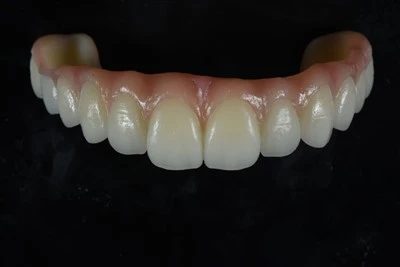
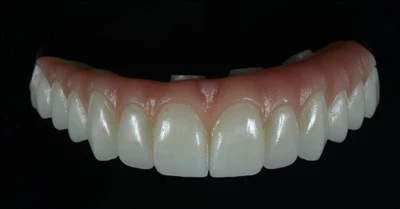
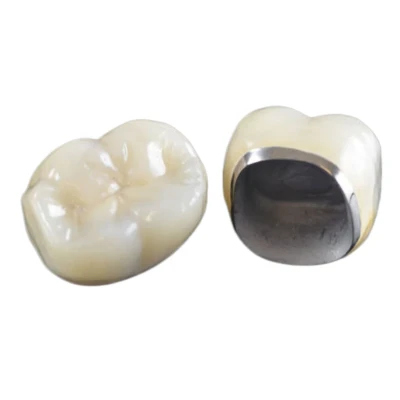
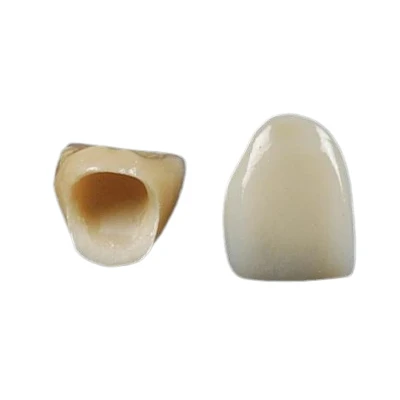
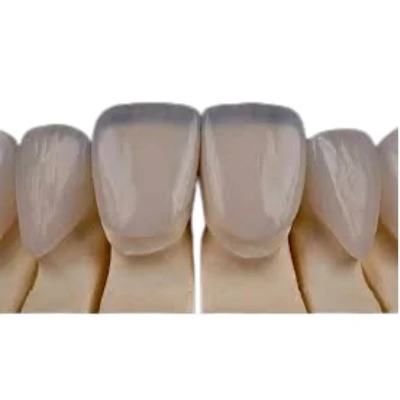
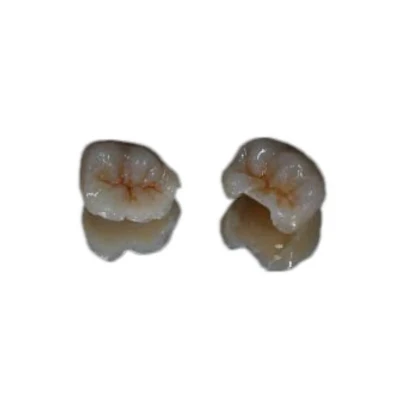
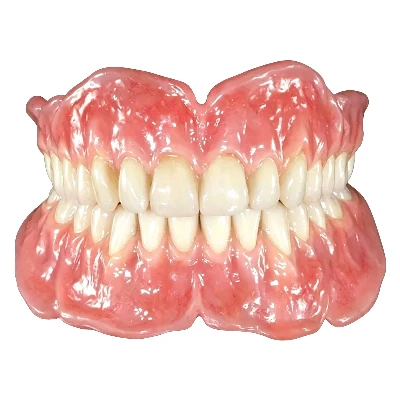
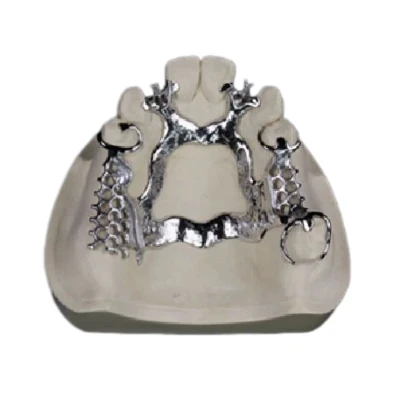
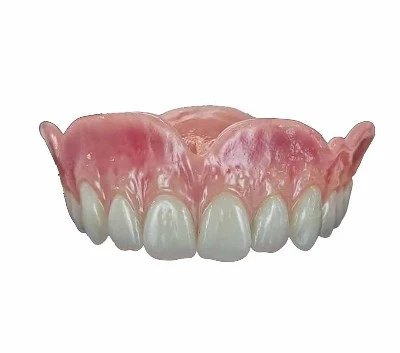
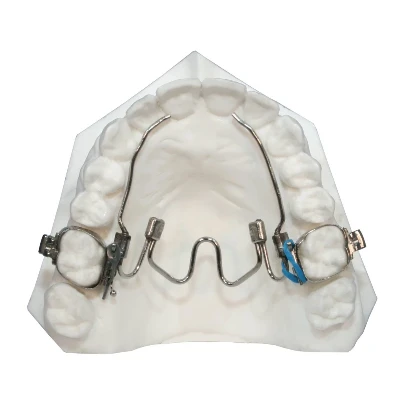
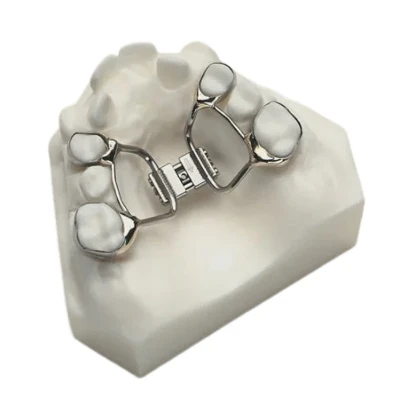
Dental lab outsourcing refers to the practice where dental clinics or small-to-medium-sized laboratories delegate all or part of the fabrication of restorations (such as crowns, bridges, dentures, etc.) to third-party professional laboratories.
Outsourcing primarily falls into two models:
- Dentist-to-Lab Outsourcing: Dental clinics send patient cases directly to an external laboratory, bypassing intermediate steps. This is common for clinics without an in-house lab or with insufficient internal capacity.
- Lab-to-Lab Outsourcing: Dental laboratories subcontract overflow work or cost-inefficient cases to other specialized labs. This may involve specific restoration types (e.g., full dentures) or those requiring advanced techniques (e.g., high-precision CAD/CAM design).
Geographically, outsourcing can be categorized as:
- Onshore Outsourcing: Delegating to labs within the same country, offering easy communication and consistent regulations, but with limited cost savings.
- Offshore Outsourcing: Delegating to overseas labs, especially in China, Southeast Asia, and similar regions, where cost advantages are substantial. In recent years, Chinese dental laboratories have made significant strides in digital technology, making them a major global destination for dental outsourcing.
Understanding these basic models helps clinics and laboratories choose the right outsourcing strategy based on their needs, balancing cost, quality, and efficiency.
Significant Advantages of Dental Lab Outsourcing
Choosing dental lab outsourcing, particularly offshore, can bring multiple competitive advantages to Western dental clinics and laboratories. These extend beyond direct financial savings to include access to advanced technology and improved operational flexibility.
Substantial Reduction in Operating Costs
Cost savings are the primary driver of outsourcing. Offshore outsourcing can often reduce fabrication costs by 40-60%, stemming from three main areas:
- Labor Cost Differences: Technician salaries in emerging markets like China are significantly lower than in Western countries, supported by well-established talent training systems that supply large numbers of professionals.
- Equipment Cost Sharing: High-end digital equipment such as CAD/CAM systems and 3D printers is expensive; outsourcing converts these fixed costs into variable ones. Many Chinese labs are equipped with world-class, well-maintained modern digital printers, allowing clients to access these technologies without their own investment.
- Economies of Scale: Professional outsourcing labs handle high volumes, gaining advantages in material procurement and production efficiency that small labs cannot match.
Access to Advanced Digital Technologies
Digital dental technology is rapidly transforming the industry, but small and medium-sized clinics and labs often struggle to keep pace with rapid iterations. Outsourcing enables them to:
- Leverage partners' CAD/CAM design and 3D printing capabilities.
- Access cutting-edge materials and processes, such as high-translucency zirconia and multi-layer aesthetic restorations, which require substantial R&D investment.
- Implement digital workflows that reduce errors from traditional manual methods, improving restoration accuracy and fit.
Enhanced Operational Flexibility and Scalability
Outsourcing provides elasticity to handle market fluctuations:
- Capacity Adjustment: Quickly scale up during peak seasons or promotions without long-term hiring or equipment purchases.
- Service Expansion: Offer complex restoration types (e.g., full-mouth reconstructions, implant guides) through partners' expertise.
- Risk Diversification: Avoid locking large capital into equipment that may quickly become obsolete, maintaining financial flexibility.
Addressing Technician Shortages
Western countries, particularly the US, face widespread dental technician shortages and aging workforces, with many retiring annually and fewer new entrants. About 62% of dentists named staffing as their top challenge in recent ADA surveys. Outsourcing allows clinics and labs to:
- Avoid recruitment challenges and local labor market fluctuations.
- Gain support from professionally trained teams.
- Focus on core diagnostics and treatment rather than restoration production management.
These advantages make outsourcing an indispensable part of strategic planning for many clinics and labs. However, prudent decision-makers must also fully understand the challenges and risks to achieve a balanced choice.

Potential Challenges of Dental Lab Outsourcing
While outsourcing offers many benefits, cautious practitioners must be aware of its potential risks and limitations. Informed outsourcing decisions require weighing these drawbacks against the advantages discussed earlier to avoid compromising patient care quality or practice reputation.
Quality Control and Consistency Risks
A common concern with offshore outsourcing is limited direct control over product quality:
- Standard Variations: Different countries may follow varying material and quality standards (e.g., US FDA vs. others), though quality labs often meet international benchmarks-verification is essential.
- Communication Barriers: Language and cultural differences can lead to misunderstandings, especially in subjective aesthetic elements like shade and shape.
- Supervision Challenges: Geographic distance makes regular on-site audits costly, relying more on documentation and sample testing.
Shipping and Turnaround Time Delays
International logistics can introduce unpredictable delays:
- Transit Time: Often adds 1-2 weeks to delivery cycles, posing challenges for urgent cases.
- Customs Risks: Delays during special periods (e.g., pandemics) can disrupt treatment plans.
- Remake Costs: Adjustments or redos significantly extend overall turnaround due to international shipping.
Regulatory and Disclosure Compliance Requirements
Many countries have strict rules on restoration origins:
- Patient Informed Consent: Some US states require disclosure if restorations are made overseas, potentially affecting patient choices.
- Liability Issues: Cross-border accountability and legal recourse are more complex in case of problems.
- Material Certification: Ensure outsourced labs use materials compliant with local regulations, including restrictions on hazardous substances.
Technology and Data Security Considerations
Digital outsourcing involves transmitting and storing patient data:
- Privacy Protection: Confirm compliance with standards like GDPR (Europe) or HIPAA (US).
- File Management: International data transfers carry cybersecurity risks; encryption protocols are necessary.
- Intellectual Property: Unique designs may face infringement risks, especially with less reputable labs.
Long-Term Dependency Risks
Over-reliance on outsourcing can lead to internal capability erosion:
- Skill Gaps: Long-term lack of hands-on fabrication may weaken judgment of restoration quality.
- Bargaining Power: High outsourcing volumes could lead to price increases or reduced flexibility.
- Contingency Issues: Global events (e.g., pandemics, trade disruptions) may interrupt supply chains.
These risks are not inevitable but can be mitigated through careful lab selection and management processes. Leading offshore labs have built quality systems aligned with international standards. The key lies in establishing scientific evaluation frameworks and collaboration mechanisms rather than dismissing offshore outsourcing outright.

Key Factors for Choosing a Reliable Dental Outsourcing Laboratory
A successful outsourcing experience largely depends on partner selection. With numerous global options-especially concentrated in China-Western clinics and labs need systematic evaluation criteria to ensure quality, reliability, and long-term value.
Technical Capabilities and Equipment Level
Excellent labs invest in modern equipment and core technologies:
- Digital Equipment: CAD/CAM systems and 3D printing are foundational for high-quality restorations.
- Technology Diversity: Ability to handle everything from traditional casting to fully digital workflows to meet varied case needs.
- R&D Investment: Labs that continuously update technologies and participate in academic activities demonstrate commitment.
Quality Certifications and Standardized Processes
Reliable labs hold internationally recognized certifications:
- Certification Systems: Such as ISO 13485 (medical device quality management), CE marking, or FDA registration.
- Standardized Operations: Including strict infection control, using autoclavable or wipe-clean materials.
- Quality Control: Clear inspection processes and records, with mechanisms for corrective and preventive actions.
Case Experience and Specialization
Assess clinical fit:
- Similar Case History: Request samples or photos of prior comparable restorations.
- Specialization: Some labs focus on areas like aesthetics or implant-supported work-match to your needs.
- Clinical Understanding: Ideal partners grasp clinical requirements beyond technical aspects.
Communication and Customer Service
Smooth communication prevents misunderstandings:
- Language Proficiency: Support teams with sufficient English skills.
- Response Speed: Test reply timeliness and problem-solving efficiency.
- Case Management Systems: Online tracking for real-time progress visibility.
Logistics and After-Sales Service
Robust logistics reduce operational risks:
- Reliable Couriers: Partnerships with major international carriers offering tracking.
- Remake Policies: Clear processes for quality issues, including redo or refund terms.
- Emergency Handling: Special accommodations for rush cases.
Industry Reputation and Long-Term Stability
- Client Feedback: Seek reviews from international clients, especially similar-sized practices or labs.
- Operational History: Favor established providers with comprehensive, highly digital capabilities.
- Transparency: Labs open to visits or virtual tours demonstrate confidence.
After building an evaluation system, adopt a "gradual outsourcing" approach-starting with small batches of simple cases, then expanding scope and complexity. This tests real capabilities while controlling initial risks. Regular reviews and in-person interactions (e.g., at international dental expos) help sustain long-term quality.

Summary and Decision Recommendations
Dental lab outsourcing is a strategic decision requiring thorough evaluation, not just a procurement choice. As explored, outsourcing (especially offshore) delivers significant cost savings, technology access, and operational flexibility, but it also involves challenges like quality control, delays, and compliance. For Western dental professionals, the key is a balanced framework that captures outsourcing's competitive edge without risking patient care or reputation.
Key Decision Factors Checklist
When considering outsourcing, self-assess across these dimensions:
1. Case Volume and Types:
- Small-volume, varied cases suit outsourcing to spread fixed costs.
- Standardized, high-volume cases gain greater economies of scale.
- Ultra-urgent cases may still need in-house or local support.
2. Financial Considerations:
- Set clear cost-reduction targets (e.g., 30% per-unit savings).
- Evaluate capital pressure from equipment updates.
- Value the flexibility of converting fixed to variable costs.
3. Technology Needs:
- Require advanced digital tech (e.g., full-arch implant guides) but lack investment capacity.
- Occasional specialized restorations not worth internal skill-building.
- Desire to learn cutting-edge techniques via outsourcing for future planning.
4. Risk Tolerance:
- Have backup labs for potential disruptions?
- How accepting are patients of overseas-made restorations?
- Can internal teams accurately evaluate outsourced quality?
Implementation Roadmap
For those ready to try outsourcing, follow a phased approach:
Phase 1: Small-Scale Pilot
- Select 10-15 non-urgent, medium-difficulty cases (e.g., single posterior crowns).
- Test 2-3 candidate labs for comparison.
- Create a quality scorecard tracking fit, aesthetics, remake rates, etc.
Phase 2: Gradual Expansion
- Choose the best partner based on pilot results.
- Broaden to more cases, including anterior aesthetics and complex ones.
- Establish regular (video) quality review meetings.
Phase 3: Strategic Integration
- Incorporate outsourcing into overall operations with clear internal roles.
- Develop joint training to boost team collaboration.
- Consider long-term agreements for better pricing while retaining flexibility.
Remember, successful outsourcing doesn't replace internal capabilities-it enhances overall service through strategic partnerships. Finding the right balance between cost savings and quality assurance is the key to long-term success.
ADS Dental Lab Ltd. is a professional digital dental laboratory specializing in outsourced production. Established in 2004, the company provides FDA-certified custom dental restorations with reliable turnaround times of as fast as 7 days. We deliver precise, scalable, and fully digital manufacturing services to dentists, dental clinics, and dental laboratories worldwide. Feel free to contact us at any time-we would be happy to review your cases and provide a fast quotation.