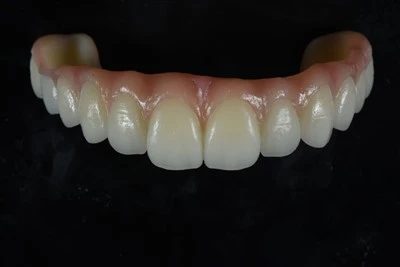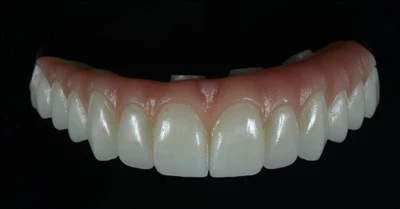
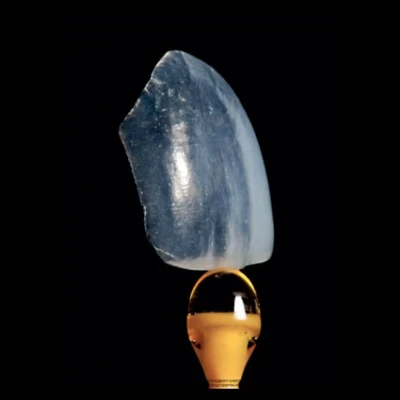
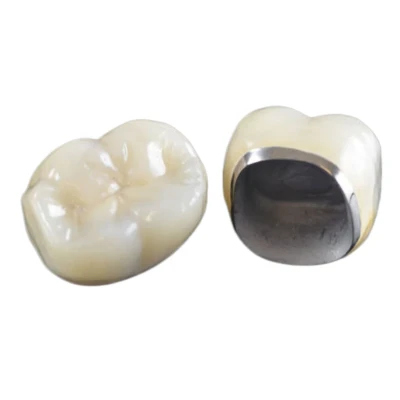
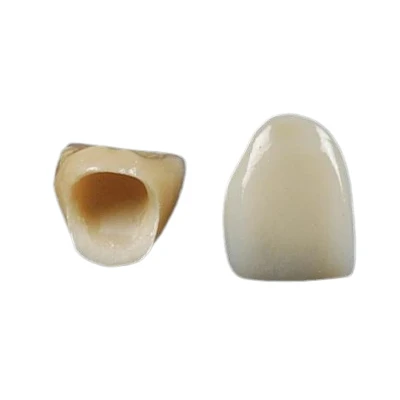
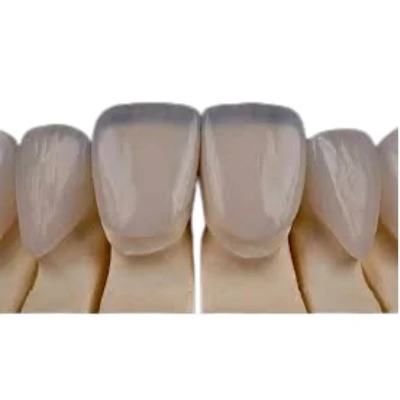
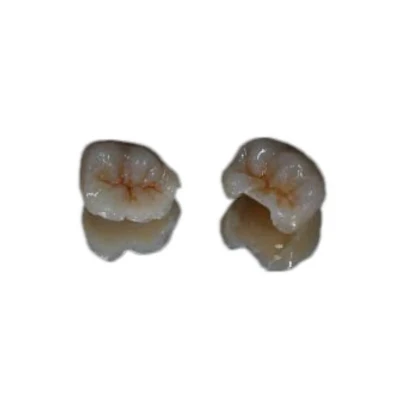

Clinical data and laboratory feedback consistently show that a significant portion of crown failures can be traced back to improper cement selection or incorrect cementation techniques. This comprehensive guide is designed to help dental professionals understand how to choose the most suitable dental glue for crowns in 2026. Whether you are a dentist, lab technician, or decision-maker responsible for material selection, this article will walk you through the key principles, materials, and clinical considerations behind successful crown cementation.
Understanding Dental Glue and Dental Cement: The Foundation of Crown Retention
Dental glue-more accurately referred to as dental cement or crown adhesive-is a specialized material used to secure restorations such as crowns, bridges, and veneers to prepared teeth or implants. These materials play three essential roles in clinical success:
- Mechanical retention by physically anchoring the crown to the tooth structure
- Marginal sealing to prevent microleakage and reduce the risk of secondary caries
- Stress distribution by absorbing and redistributing occlusal forces during function
Modern dental cements have evolved far beyond traditional zinc phosphate formulations. Today's advanced materials offer features such as dual-curing mechanisms, adhesive bonding to both tooth structure and restorative materials, fluoride release for caries prevention, and thermal expansion properties that closely match natural dentin.
The goal of ideal cementation is to create a "monoblock" effect, where the crown, cement, and tooth function as a single, unified structure. Achieving this outcome requires a clear understanding of different cement types and their clinical indications.
Crown-Specific Cement Selection: Matching Cement to Restoration Material
Not all crowns behave the same clinically, and their cementation requirements vary significantly depending on material composition. Below are evidence-based recommendations commonly followed in 2026.
- Preferred option: Resin cements containing 10-MDP monomers
- Alternative option: Self-adhesive resin cements
- Clinical rationale: Zirconia's highly crystalline structure does not respond to traditional etching. Phosphate monomers such as 10-MDP enable chemical bonding to zirconium oxide, resulting in improved retention and reduced microleakage.

Porcelain-Fused-to-Metal (PFM) Crowns
- Preferred option: Resin-modified glass ionomer cement (RMGIC)
- Alternative option: Conventional resin cement combined with separate etching and bonding
- Clinical rationale: RMGIC offers a balanced combination of strength and fluoride release, making it well suited for metal margins that are more susceptible to recurrent caries.
Lithium Disilicate (E-max) Crowns
- Preferred option: Light-cure resin cement
- Clinical rationale: The translucency of lithium disilicate restorations benefits from light-cured materials that maintain long-term color stability. Proper surface treatment, including hydrofluoric acid etching and silane application, is essential for optimal bonding.
Temporary Crowns
- Preferred option: Non-eugenol temporary cement
- Clinical rationale: Eugenol-containing cements may interfere with resin polymerization during final cementation. Non-eugenol temporary cements provide adequate retention while allowing easy removal.
|
Crown Material |
Recommended Cement Type |
Example Products |
Bond Strength (MPa)* |
|
Zirconia |
10-MDP Resin Cement |
Panavia V5 |
28–32 |
|
E-max |
Light-cure Resin |
Variolink Esthetic |
30–35 |
|
PFM |
RMGIC |
FujiCEM 2 |
18–22 |
|
Temporary |
Non-eugenol Temporary |
TempBond NE |
2–4 |
Comparing Dental Cement Types: Resin, Glass Ionomer, and Hybrid Solutions
Understanding the fundamental differences between cement categories is critical for making informed clinical decisions.
Resin Cements
Resin cements rely on a combination of micromechanical retention and chemical bonding. They offer the highest bond strength, excellent aesthetics, and low solubility, making them ideal for all-ceramic restorations and high-stress areas. However, they are technique-sensitive and require strict moisture control and proper surface preparation.
Subtypes include self-etch systems that simplify application and etch-and-rinse systems that deliver maximum bond strength when technique is meticulously followed.
Glass Ionomer Cements (GIC)
Glass ionomer cements chemically bond to tooth structure and are known for their fluoride release, biocompatibility, and tolerance to moisture. Their lower bond strength and relatively opaque appearance limit their use to specific clinical scenarios, such as pediatric dentistry or patients with high caries risk.
Resin-Modified Glass Ionomer Cements (RMGIC)
RMGICs combine the fluoride-releasing benefits of traditional glass ionomers with improved strength from resin components. They are dual-cured, easier to handle, and suitable for a wide range of general practice applications, particularly PFM crowns. Slight expansion during setting should be considered during case selection.
Zinc Oxide Eugenol (ZOE)
ZOE cements are primarily intended for temporary cementation and should not be used for final bonding of resin-based restorations due to their inhibitory effect on polymerization.

A Practical Decision Matrix for Choosing the Right Dental Glue
Selecting the ideal cement requires a structured, case-by-case approach.
Step 1: Identify the Crown Material
Zirconia crowns typically require 10-MDP resin cement, lithium disilicate crowns benefit from light-cure resin systems, and PFM crowns are well suited for RMGIC or resin cement with appropriate primers.
Step 2: Evaluate the Clinical Environment
Patients with high caries risk may benefit from fluoride-releasing cements, while subgingival margins often necessitate dual-cure systems due to limited light access. Minimal-preparation cases may favor self-adhesive resins.
Step 3: Consider Technique and Workflow
Resin cements demand excellent isolation, while self-adhesive systems offer greater forgiveness. Automix syringes can significantly reduce chair time and technique variability.
Step 4: Account for Patient-Specific Factors
Bruxism calls for high-strength resin cements, pediatric patients often benefit from glass ionomer formulations, and material sensitivities should always be considered.
For zirconia crowns in patients with parafunctional habits, combining 10-MDP resin cement with tribochemical surface treatment can significantly enhance long-term bond durability.
Common Cementation Mistakes and How to Avoid Them
Even experienced clinicians encounter cementation failures. The most common issues include using temporary cement for final restorations, improper surface treatment of zirconia, inadequate isolation during resin cementation, and over-reliance on self-adhesive cements in high-stress situations.
Another frequently overlooked factor is the mismatch between the thermal expansion coefficient of the cement and the restorative material, which can lead to marginal discrepancies over time. Adhering strictly to manufacturer-recommended protocols consistently results in higher long-term restoration survival rates.
Final Thoughts: Balancing Science and Clinical Judgment
Choosing the best dental glue for crowns is both a scientific and clinical decision. Resin cements continue to lead in terms of strength and aesthetics, while glass ionomer-based materials remain valuable in specific patient populations. Ultimately, the most suitable cement is one that aligns with the restoration material, patient risk profile, clinical environment, and operator expertise.
As dental materials continue to evolve in 2026, bioactive and smart cements are poised to further enhance restoration longevity and oral health outcomes. Regardless of material choice, precise technique and protocol adherence remain the most critical factors in cementation success.
If you are facing specific challenges related to crown cementation or material selection, our digital dental laboratory team offers professional support and protocol consultation to help ensure predictable, long-term results.
Discover ADS Dental Laboratory Ltd – We are a professional digital dental lab in China , specializing in providing long-term, stable outsourcing services of customized dental prosthetics for overseas dentists and dental laboratories. Contact us for free samples. Email: Info@chinaadsdentallab.com