

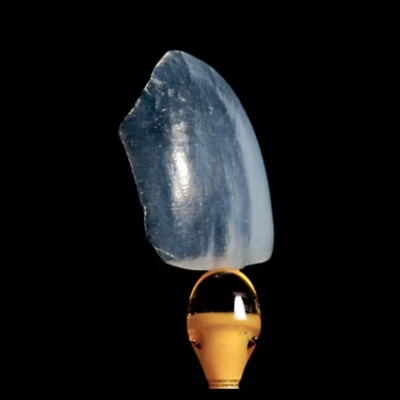
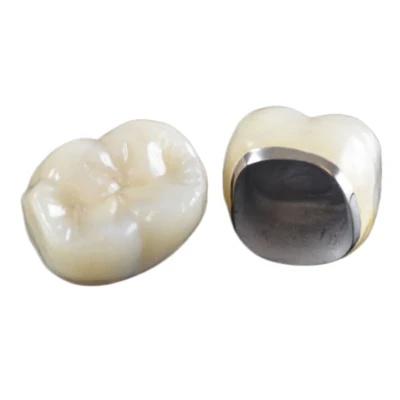
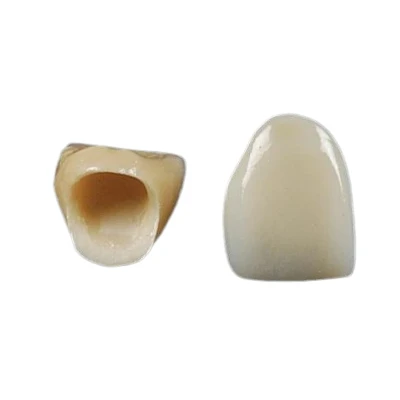
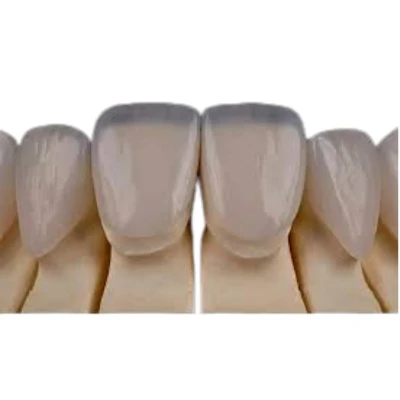
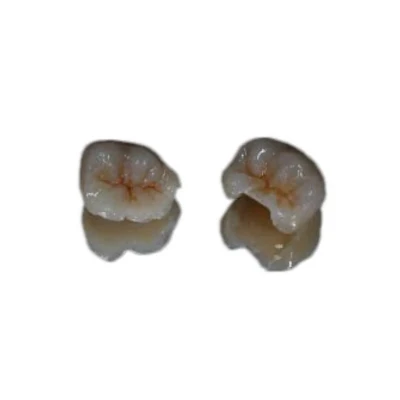

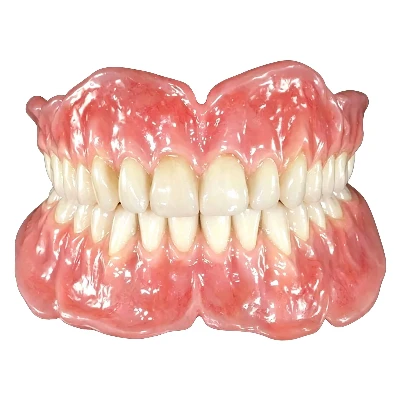
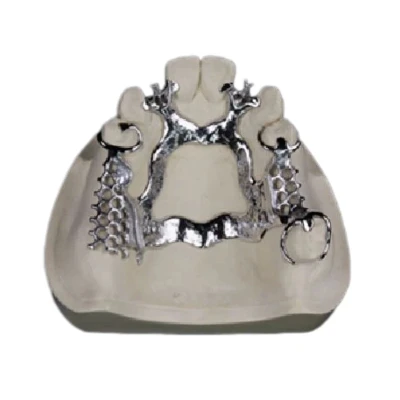
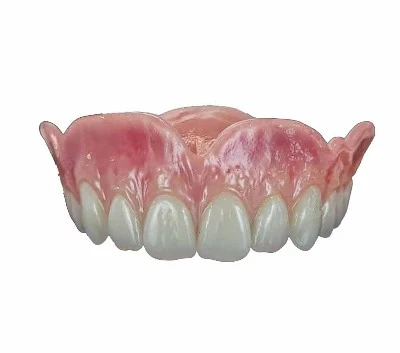

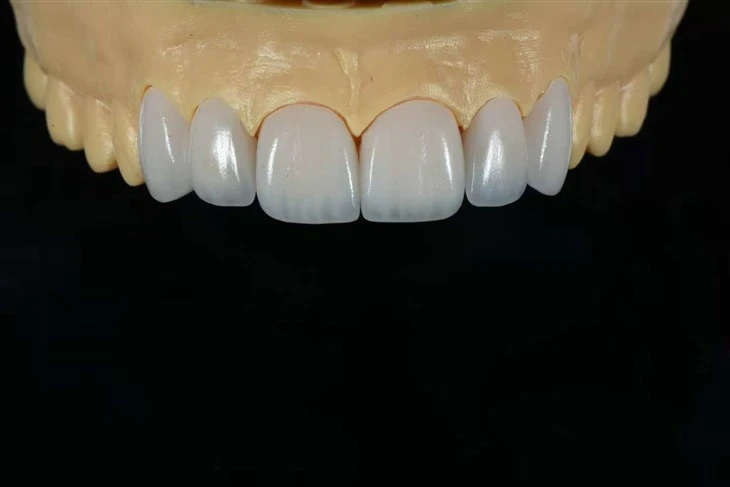
ADS Dental Lab Ltd. is one of the most experienced manufacturers and suppliers of multi-unit anterior veneers in China, featured by quality products and low price. Please feel free to wholesale customized multi-unit anterior veneers made in China here from our factory. For quotation, contact us now.
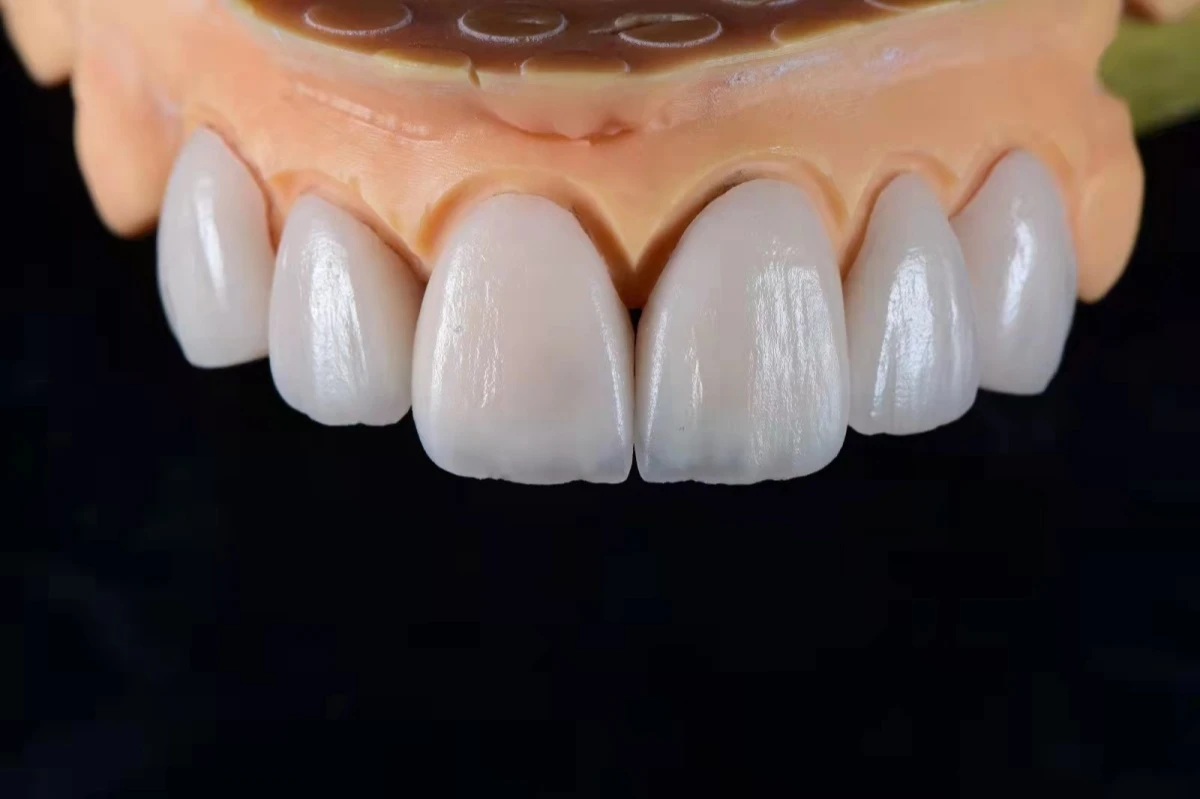
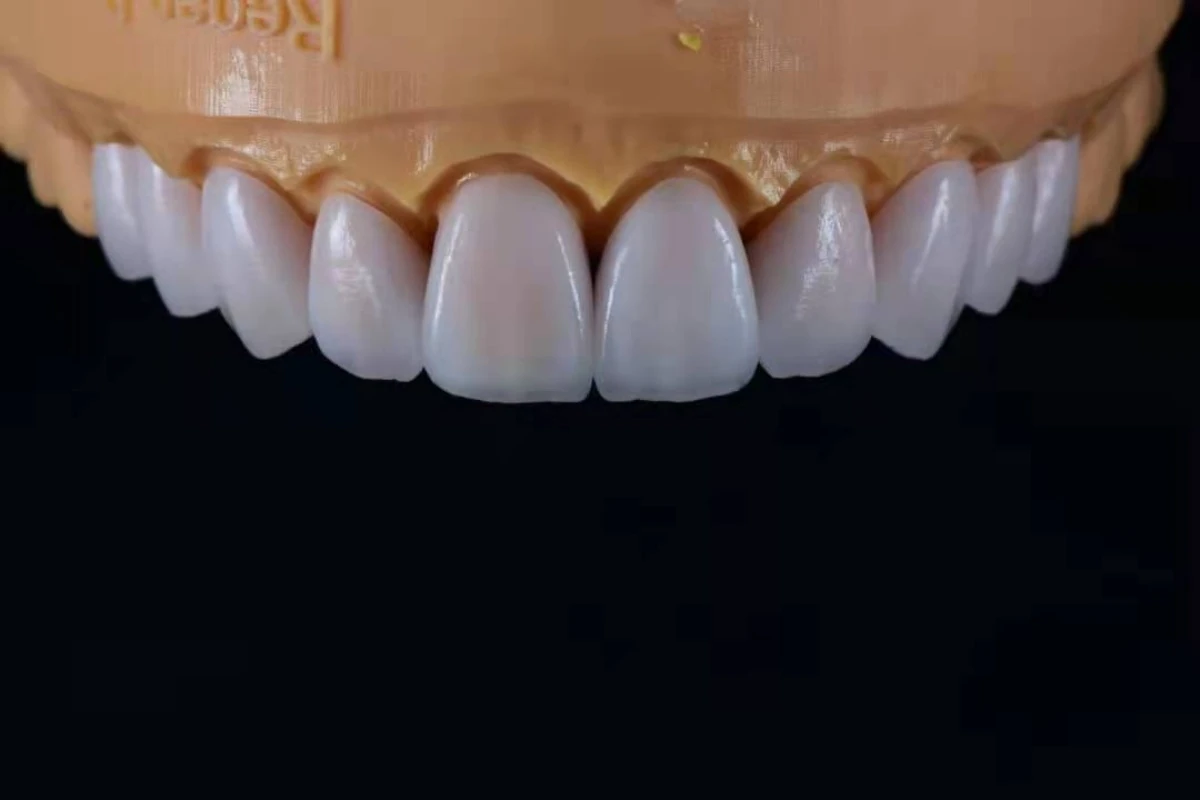
Multi-unit anterior veneers are designed for cases where several front teeth need to be restored as one coordinated aesthetic group. Unlike a single veneer case, a 4-unit, 6-unit, 8-unit, or 10-unit anterior veneer case must maintain consistent shade, tooth proportion, incisal curve, contact relationship, and smile-zone harmony across multiple restorations.
At ADS Dental Lab, we provide custom multi-unit anterior veneers for overseas dentists, cosmetic dental clinics, and dental laboratories. Our team supports E.max veneers, lithium disilicate veneers, layered ceramic veneers, feldspathic veneers, and other ceramic veneer options depending on the case requirement. With digital design, model-based verification, genuine Amann Girrbach articulator support, and high-magnification digital microscope inspection, we help clients complete anterior veneer cases with stable fit, accurate margins, and natural aesthetics.
Send your multi-unit anterior veneer case to ADS Dental Lab for design review, material planning, and quotation.


Product Specifications
| Specification | Details |
|---|---|
| Product Type | Multi-unit anterior veneers |
| Common Case Range | 4-unit, 6-unit, 8-unit, or 10-unit anterior veneer cases |
| Material Options | E.max, lithium disilicate, layered ceramic, feldspathic ceramic options |
| Indicated Area | Upper or lower anterior teeth, smile-zone restorations |
| Design Focus | Shade consistency, tooth proportion, incisal curve, contact relationship, model fit |
| Accepted Case Files | STL files, intraoral scans, patient photos, shade photos, bite records |
| Impression Option | Conventional impressions accepted via FedEx, UPS, DHL, Linex, or other couriers |
| Design Confirmation | STL or HTML design preview available before production |
| Occlusion Support | Genuine Amann Girrbach articulators used for bite and model relationship verification |
| Precision Control | Margins and details checked under high-magnification digital microscope |
| Production Time | Usually 4–5 working days after case confirmation |
| Payment Methods | Bank transfer and PayPal accepted |
What Makes Multi-Unit Anterior Veneers Different?
A multi-unit anterior veneer case should not be treated as several single veneers placed next to each other. The restorations must be designed and finished as one complete anterior group. Each tooth has its own role in the smile: the central incisors define the visual center, the lateral incisors soften the transition, and the canines provide corner support and natural contour.
If these relationships are not controlled, the final case may look uneven, too uniform, too wide, too flat, or disconnected from the patient's natural smile. This is why ADS reviews tooth length, width, line angles, incisal edge position, contact areas, surface texture, shade value, and occlusion before final delivery.
For multi-unit anterior veneers, the laboratory must balance two goals at the same time: consistency and individuality. The veneers should share the same aesthetic direction, but they should not look like identical copies. Natural anterior teeth have subtle variations in shape, light reflection, and incisal character. ADS uses digital planning and ceramic finishing to manage these details across the full anterior segment.


Key Features
Consistent Shade Across Multiple Units
Shade consistency is essential in multi-unit anterior veneer cases. ADS evaluates stump shade, target shade, patient photos, and adjacent teeth before selecting the ceramic material and finishing method. Our technicians control value, chroma, translucency, and surface luster to help the veneers appear coordinated across the anterior region.
Coordinated Tooth Morphology
The central incisors, lateral incisors, and canines should not have the same shape. ADS designs each unit according to its position in the arch. We carefully adjust tooth length, width, facial contour, line angles, embrasure form, and incisal edge shape so the final case looks balanced and natural.
Incisal Curve and Smile-Zone Alignment
The incisal curve strongly affects the appearance of anterior veneers. ADS checks the relationship between the incisal edges, smile line, tooth length, and patient photos. This helps the restorations support a more natural smile-zone appearance instead of looking flat or mechanically aligned.
Contact and Embrasure Control
Multi-unit veneer cases require careful contact and embrasure design. Contacts that are too tight, too flat, or too short can affect both aesthetics and clinical handling. ADS reviews proximal contours, contact areas, and embrasure spaces on the working model to support better fit and a more natural anterior appearance.
Genuine Amann Girrbach Articulator Verification
Occlusion is still important in anterior veneer cases, especially when multiple units are restored together. ADS uses genuine Amann Girrbach articulators to support accurate model relationship and bite verification. This helps technicians check occlusal contacts, anterior guidance, and functional clearance more carefully before delivery.
High-Magnification Digital Microscope Precision
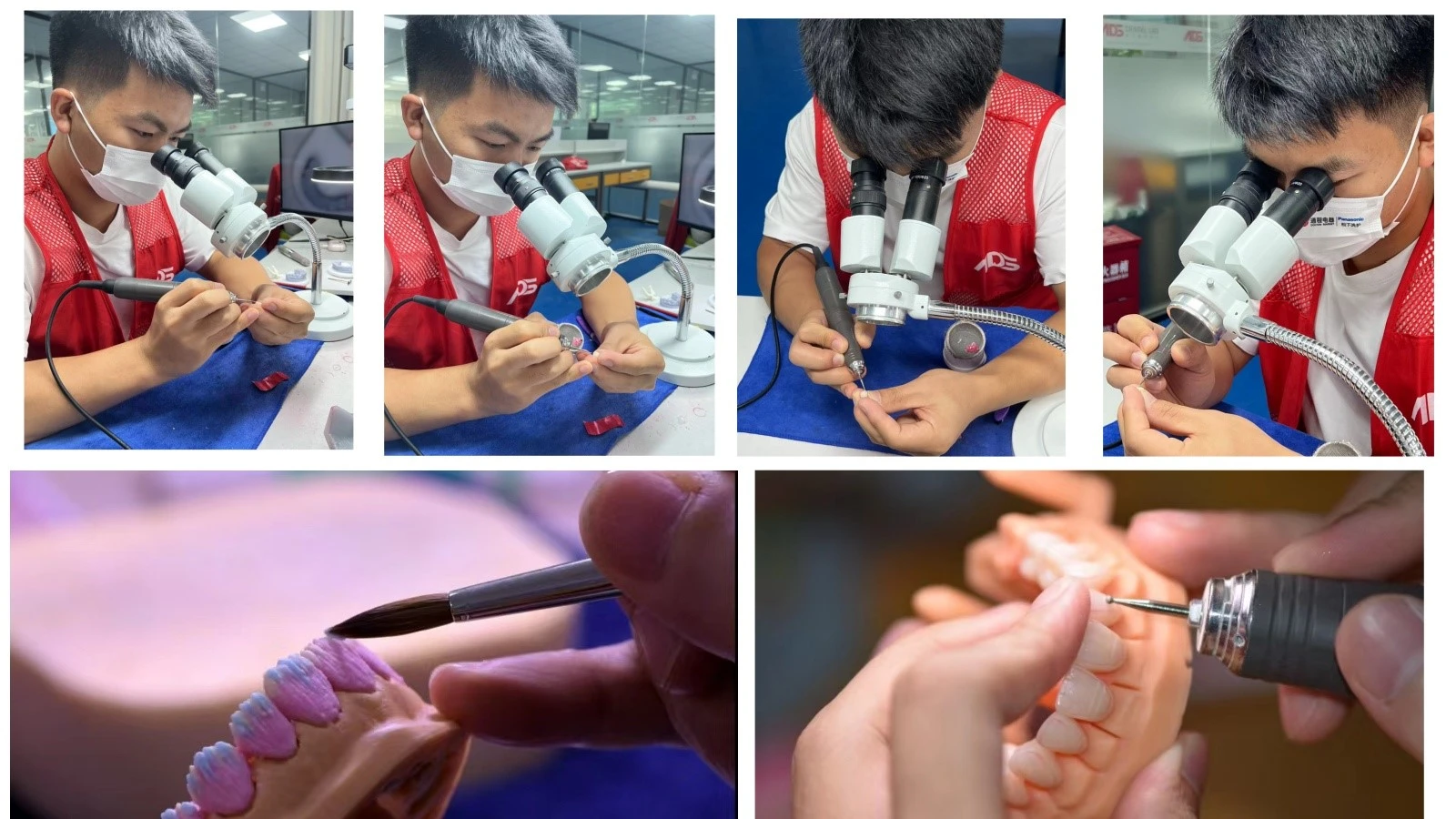
Every veneer case requires accurate margins. At ADS Dental Lab, veneer details and margins are checked under high-magnification digital microscopes during production and quality control. This helps our technicians identify small irregularities, refine marginal adaptation, and reduce the risk of unnecessary chairside adjustment.
Digital Workflow with Ceramic Finishing
ADS combines digital CAD/CAM design with experienced ceramic finishing. Digital design supports case consistency, margin control, contact planning, and communication with overseas clients. Ceramic finishing allows our technicians to refine shade, translucency, surface texture, and natural anterior character.
Case Planning Requirements
Multi-unit anterior veneer cases depend heavily on complete case information. The more accurate the records, the more predictable the design and final delivery can be.
For best results, we recommend sending:
- STL files or intraoral scans
- Patient full-face smile photos
- Retracted anterior photos
- Pre-preparation scan
- Post-preparation scan
- Temporary restoration scan, if available
- Bite record
- Stump shade
- Target final shade
- Desired central incisor length
- Notes about preferred tooth shape, such as natural, youthful, soft, square, bright, or high-translucency
For cases submitted with conventional impressions, clients can ship physical impressions to ADS Dental Lab through FedEx, UPS, DHL, Linex, or other international courier services.
Clinical Indications
Multi-unit anterior veneers are suitable for:
- 4-unit, 6-unit, 8-unit, or 10-unit anterior veneer cases
- Upper anterior aesthetic restorations
- Lower anterior cosmetic veneer cases in selected situations
- Mild to moderate anterior discoloration
- Uneven anterior tooth length or shape
- Worn or chipped incisal edges
- Minor anterior spacing
- Post-orthodontic aesthetic refinement
- Smile-zone restoration cases
- Replacement of old veneers or composite restorations
- Cosmetic clinics offering anterior veneer treatment
- Dental laboratories outsourcing anterior ceramic veneer cases
For cases involving severe bruxism, deep bite, limited restorative space, unstable occlusion, or very dark stump shade, ADS can review the case before fabrication and suggest a suitable material, design, or treatment approach.
Material and Finish Options
Multi-unit anterior veneers can be fabricated with different ceramic materials and finishing methods depending on the case goal.
E.max / Lithium Disilicate Veneers
E.max and lithium disilicate veneers are often selected when the dentist wants a balance of strength, translucency, and bonding performance. They are suitable for many anterior veneer cases, including multi-unit cosmetic restorations.
Layered Ceramic Veneers
Layered ceramic veneers are useful when the case requires more incisal translucency, internal shade depth, and hand-finished surface detail. They are often selected for demanding anterior aesthetic cases.
Feldspathic Veneers
Feldspathic ceramic may be considered for selected high-aesthetic, low-load cases where enamel-like detail and delicate translucency are the main priorities.
Monolithic or Stained Veneers
For routine anterior cases, monolithic or stained-and-glazed veneers can provide efficient production while still offering clean aesthetics and reliable handling.
Cut-Back or Hand-Layered Finish
For premium anterior veneer cases, ADS can use cut-back or hand-layered ceramic finishing to enhance incisal effects, shade transition, surface texture, and natural light reflection.
Manufacturing Workflow
Step 1 - Case Submission
Clients send STL files, intraoral scans, patient photos, shade information, bite records, and restoration instructions to ADS Dental Lab. Conventional impressions are also accepted and can be shipped internationally.
Step 2 - Multi-Unit Case Review
Our team reviews the preparation space, margin clarity, tooth arrangement, arch form, occlusion, stump shade, target shade, and aesthetic expectations. For multi-unit anterior veneers, we also evaluate the relationship between the central incisors, lateral incisors, canines, and the full anterior curve.
Step 3 - Digital Anterior Veneer Design
ADS creates a digital design for the veneer case. The design focuses on tooth proportion, tooth length, contact relationship, incisal edge flow, line angles, and overall anterior harmony. When required, the design can be prepared with patient photo reference.
Step 4 - Design Confirmation
For aesthetic cases, ADS can send an STL or HTML preview file to the dentist or dental laboratory for confirmation. Fabrication begins only after the client approves the design direction.
Step 5 - Material Selection and Fabrication
After design approval, ADS selects the suitable material and fabrication method according to the case plan. The veneers may be fabricated using E.max, lithium disilicate, layered ceramic, feldspathic ceramic, or another selected ceramic system.
Step 6 - Ceramic Finishing and Characterization
Our technicians refine the ceramic restorations to control shade harmony, incisal translucency, surface texture, and natural anterior morphology. For multi-unit cases, the ceramic work is managed across the entire anterior group to maintain consistency without making every tooth look identical.
Step 7 - Articulator and Model Check
The veneers are checked on the working model. ADS uses genuine Amann Girrbach articulators for bite and model relationship verification when needed. This helps confirm occlusal clearance, anterior guidance, contact relationship, and final case stability before delivery.
Step 8 - Microscope Inspection, Final QC, and Shipping
Before shipment, the veneers are inspected under high-magnification digital microscopes to check margins, fine details, and surface quality. Final quality control also includes model seating, contact verification, shade review, surface finish, and packaging for international delivery.
Why Choose ADS Dental Lab

ADS Dental Lab is a family-owned dental laboratory group founded in Shenzhen, China in 2004. We serve dental clinics and laboratories across Europe, North America, Australia, the Middle East, and other international markets. Our services include veneers, crowns, bridges, implant restorations, digital design, orthodontic solutions, and complex full-mouth cases.
For multi-unit anterior veneer cases, ADS provides more than standard veneer production. Our Veneer Aesthetic Center, CAD/CAM digital design center, 3D printing support, genuine Amann Girrbach articulators, and high-magnification digital microscope inspection help us manage the details that matter most in anterior aesthetic restorations.
We understand that overseas dentists and dental laboratories need stable quality, clear communication, and predictable delivery. ADS accepts both STL digital files and conventional impressions. We support design confirmation, patient photo communication, custom shade matching, model-based verification, and international shipping.
ADS is supported by quality and compliance systems including ISO9001, ISO13485, FDA registration, National High-Tech Enterprise qualification, Guangdong Quality Credit Class A Medical Device Manufacturing Enterprise recognition, and multiple patent certifications.
Send your multi-unit anterior veneer case with scans, photos, stump shade, and target shade to ADS Dental Lab for review.

FAQ
Q1: What are multi-unit anterior veneers?
Multi-unit anterior veneers are ceramic veneers used to restore several front teeth together, such as 4-unit, 6-unit, 8-unit, or 10-unit anterior cases. They are designed to improve tooth color, shape, proportion, and smile-zone aesthetics.
Q2: How many veneers are usually included in a multi-unit anterior case?
Common cases include 4, 6, 8, or 10 anterior veneers. The number depends on the visible smile width, treatment plan, patient expectations, and whether the case involves only the upper anterior teeth or both arches.
Q3: What materials can ADS use for multi-unit anterior veneers?
ADS can fabricate multi-unit anterior veneers using E.max, lithium disilicate, layered ceramic, feldspathic ceramic, and other ceramic options depending on the case requirement.
Q4: How do you control shade consistency across several veneers?
We review stump shade, target shade, patient photos, shade tab references, and material selection before production. During ceramic finishing, our technicians control value, chroma, translucency, and surface luster across the full anterior group.
Q5: Why is articulator verification important for anterior veneers?
Anterior veneers must look good and function properly. Genuine Amann Girrbach articulators help support accurate bite and model relationship verification, allowing technicians to check occlusion, anterior guidance, and functional clearance before delivery.
Q6: How does digital microscope inspection help veneer quality?
High-magnification digital microscope inspection helps technicians examine margins, fine ceramic details, and surface quality more closely. This supports precise marginal adaptation and reduces the risk of avoidable chairside adjustment.
Q7: What files should I send for a multi-unit anterior veneer case?
We recommend sending STL scans, patient photos, shade photos, bite records, pre-preparation scans, preparation scans, temporary restoration scans, stump shade, target shade, and notes about desired tooth shape or central incisor length.
Q8: Can I confirm the design before production?
Yes. ADS can provide an STL or HTML design preview for client confirmation before fabrication begins.
Q9: Do you accept conventional impressions?
Yes. ADS accepts conventional impressions. Physical cases can be shipped through FedEx, UPS, DHL, Linex, or other international courier services.
Q10: How long does production take?
Production is usually completed within 4–5 working days after case confirmation and design approval. Shipping time depends on the destination country and courier service.
Q11: Can dental laboratories outsource only anterior veneer cases to ADS?
Yes. Dental laboratories can outsource selected anterior veneer cases to ADS while keeping other routine work in-house. We support flexible lab-to-lab cooperation and long-term outsourcing service.
Q12: What payment methods do you accept?
We accept bank transfer and PayPal for international clients. Payment details will be confirmed after case review and quotation.
Hot Tags: multi-unit anterior veneers, China multi-unit anterior veneers manufacturers, suppliers, factory, Dental Veneers, hawley retainer with pontic, maxillary palatal expander, palate expander teeth, spacers and expanders, upper jaw expander for adults


