

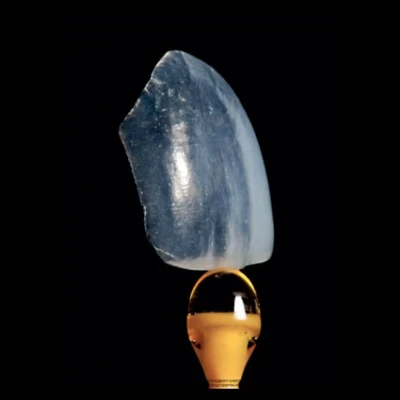
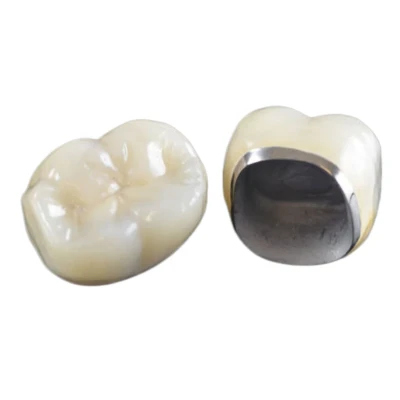
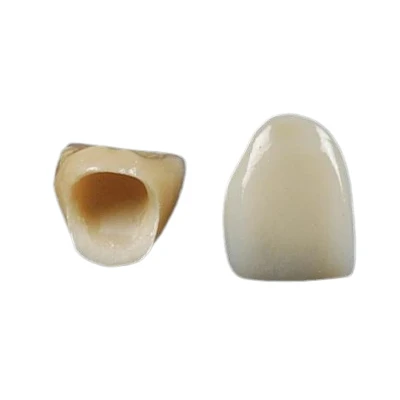
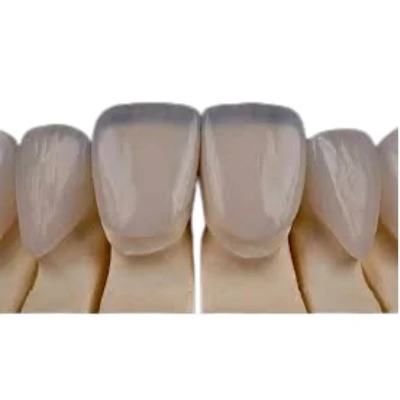
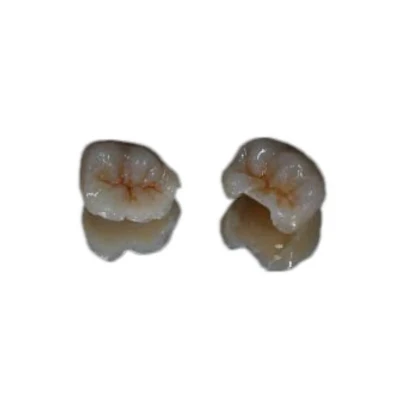
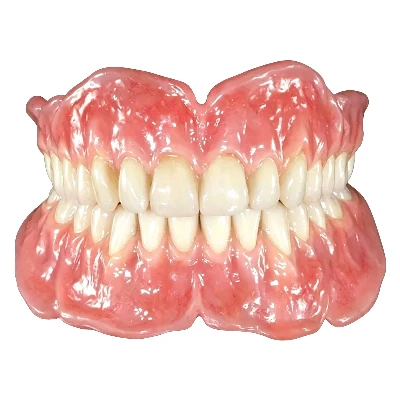
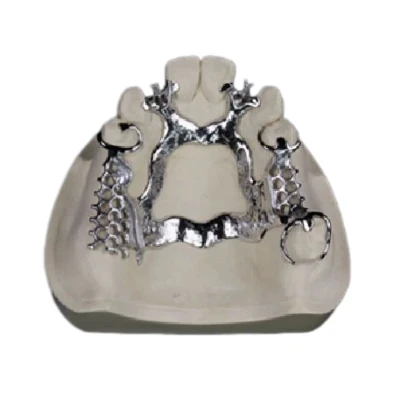
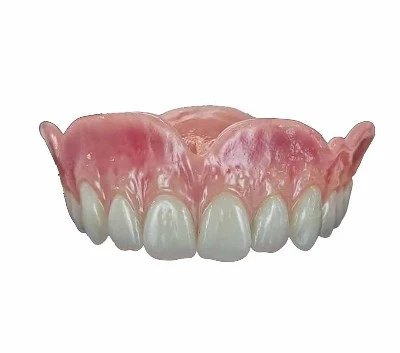


ADS Dental Lab Ltd. is one of the most experienced manufacturers and suppliers of e.max layering veneers for tooth shape correction in China, featured by quality products and low price. Please feel free to wholesale customized e.max layering veneers for tooth shape correction made in China here from our factory. For quotation, contact us now.
E.max Layering Veneers for Tooth Shape Correction are aesthetic anterior restorations designed to modify tooth form, proportion, symmetry, and visual balance. Rather than focusing primarily on shade or translucency, these cases address how a tooth looks in terms of width, length, contour, line angles, and incisal position.
At ADS Dental Laboratory, tooth-shape correction begins with an analysis of the existing dentition and the intended final morphology. Using digital design, our team can evaluate tooth dimensions, facial prominence, incisal edge position, adjacent-tooth relationships, and overall anterior symmetry before fabrication. IPS e.max lithium disilicate is then combined with ceramic layering, hand contouring, and aesthetic finishing.
For selected cases, ADS can provide smile design, STL, or HTML files for client confirmation before final production.
Send us your pre-op scans, patient photos, temporary restoration scan if available, desired tooth proportions, and prescription for case evaluation.


Product Specifications
| SpecificationDetails | |
|---|---|
| Product Type | E.max Layering Veneers for Tooth Shape Correction |
| Material | IPS e.max Lithium Disilicate with Layering Ceramic |
| Main Purpose | Anterior Tooth Shape and Proportion Correction |
| Design Focus | Width, Length, Line Angles, Contour, and Symmetry |
| Technique | Digital Morphology Design + Hand Layering and Contouring |
| Recommended Region | Primarily Anterior Teeth |
| Case Submission | STL Files, Photos, Temporary Scan, Shape References, and Prescription |
| Typical Production Time | Approximately 4–5 working days after case confirmation |
What Does Tooth Shape Correction Mean?
Tooth shape correction is more than simply making a tooth larger, longer, or more symmetrical.
The appearance of an anterior tooth is influenced by several morphological elements working together:
- Mesiodistal width
- Crown length
- Width-to-length relationship
- Facial convexity
- Line-angle position
- Incisal edge form
- Mesial and distal transitions
- Contact areas and embrasures
- Relationship with neighboring teeth
Even a small change in one of these features can significantly change the visual impression of the restoration.
For example, repositioning the facial line angles can make a tooth appear narrower or broader without dramatically changing its actual dimensions. Likewise, slight changes in incisal length can alter the apparent proportion and dominance of the central incisors within the smile.
For this reason, ADS approaches shape-correction veneers as a morphology-design case rather than simply adding ceramic volume to the existing tooth.


Common Tooth Shape Problems Veneers Can Help Address
Short-Looking Anterior Teeth
Teeth may appear short because of their existing anatomy, incisal wear, or unfavorable width-to-length proportions.
Veneer design can modify incisal length, facial contour, and line-angle position to create a more balanced visual proportion where clinically appropriate.
Narrow or Undersized Teeth
Small or narrow anterior teeth may leave uneven spacing or appear disproportionate beside neighboring teeth.
The restoration can be designed to adjust mesial and distal contour, contact areas, and facial form while maintaining coordination with the surrounding dentition.
Uneven Tooth Length
Differences between central incisors, lateral incisors, and canines can affect the rhythm of the anterior segment.
Digital design allows tooth lengths and incisal edge positions to be reviewed together rather than treating each veneer as an isolated restoration.
Asymmetric Anterior Teeth
Left and right anterior teeth do not always have the same apparent width, contour, or line-angle position.
Shape correction can be used to improve visual balance through controlled changes in facial contour, proximal form, and incisal design.
Irregular Incisal Edges
Worn, uneven, or asymmetrical incisal edges can be redesigned according to the desired tooth form and smile relationship.
Depending on the case, technicians may adjust:
- Edge position
- Incisal curvature
- Corner form
- Tooth-to-tooth progression
Peg-Shaped or Small Lateral Incisors
When the clinical conditions are suitable, veneers can increase the apparent width and volume of undersized lateral incisors and help integrate them more harmoniously with adjacent teeth.
How ADS Designs Tooth Shape Correction Cases
Pre-Op Morphology Analysis
ADS begins by reviewing the existing tooth dimensions, alignment, facial prominence, symmetry, incisal position, and relationship to neighboring teeth.
Pre-op scans and patient photographs are especially useful because they establish a reference for what needs to change.
Width-to-Length Ratio Planning
Aesthetic tooth proportions should not be reduced to one fixed numerical formula.
Central incisors, lateral incisors, and canines have different roles within the anterior segment. Our designers evaluate the existing anatomy, desired tooth length, smile width, adjacent teeth, and clinician preferences to avoid restorations that appear excessively square, narrow, long, or uniform.
Line-Angle and Facial Contour Control
Line angles strongly influence the perceived width of an anterior tooth.
Digital morphology planning helps position these transitions more deliberately, while technician-led contouring refines facial prominence, proximal transitions, and overall volume during finishing.
ADS combines digital manufacturing with experienced manual processes including contouring, surface texture, ceramic layering, and margin finishing.
Incisal Edge Progression
Multi-unit cases require attention to the relationship between neighboring teeth, not just the form of each individual veneer.
The relative length and position of central incisors, lateral incisors, and canines can be designed according to the patient's smile, existing anatomy, and prescribed aesthetic target.
Design Confirmation Before Fabrication
For suitable aesthetic cases, ADS can prepare smile design, STL, or HTML files for customer review before final production.
This allows the dentist or dental laboratory to review tooth length, proportion, symmetry, and overall morphology before fabrication proceeds.
Suitable Cases
E.max Layering Veneers for Tooth Shape Correction may be considered for:
- Short or worn-looking anterior teeth
- Undersized lateral incisors
- Narrow-looking teeth
- Uneven anterior tooth lengths
- Mild left-right asymmetry
- Irregular incisal edges
- Unbalanced width-to-length proportions
- Minor facial contour deficiencies
- Multi-unit cases requiring improved symmetry
- Replacement of restorations with unsatisfactory morphology
Cases involving severe tooth displacement, major malalignment, complex occlusal problems, or changes requiring significant tooth movement should be evaluated carefully by the treating clinician. Veneers should not be considered a substitute for orthodontic treatment when substantial positional correction is required.
Our Tooth Shape Correction Workflow
1. Submit Pre-Op Records
Send STL files, patient photos, temporary restoration scans if available, desired tooth dimensions, shade information, and prescription.
2. Analyze Existing Tooth Proportions
Our team evaluates width, length, facial contour, symmetry, and incisal relationships.
3. Define Morphology Goals
The intended correction is clarified, such as longer, shorter, wider, narrower, more rounded, or more symmetrical tooth forms.
4. Digital Tooth and Smile Design
Final morphology, line angles, incisal edge position, and overall anterior proportions are digitally planned.
5. Client Confirmation
For suitable cases, design files can be provided for review before final production.
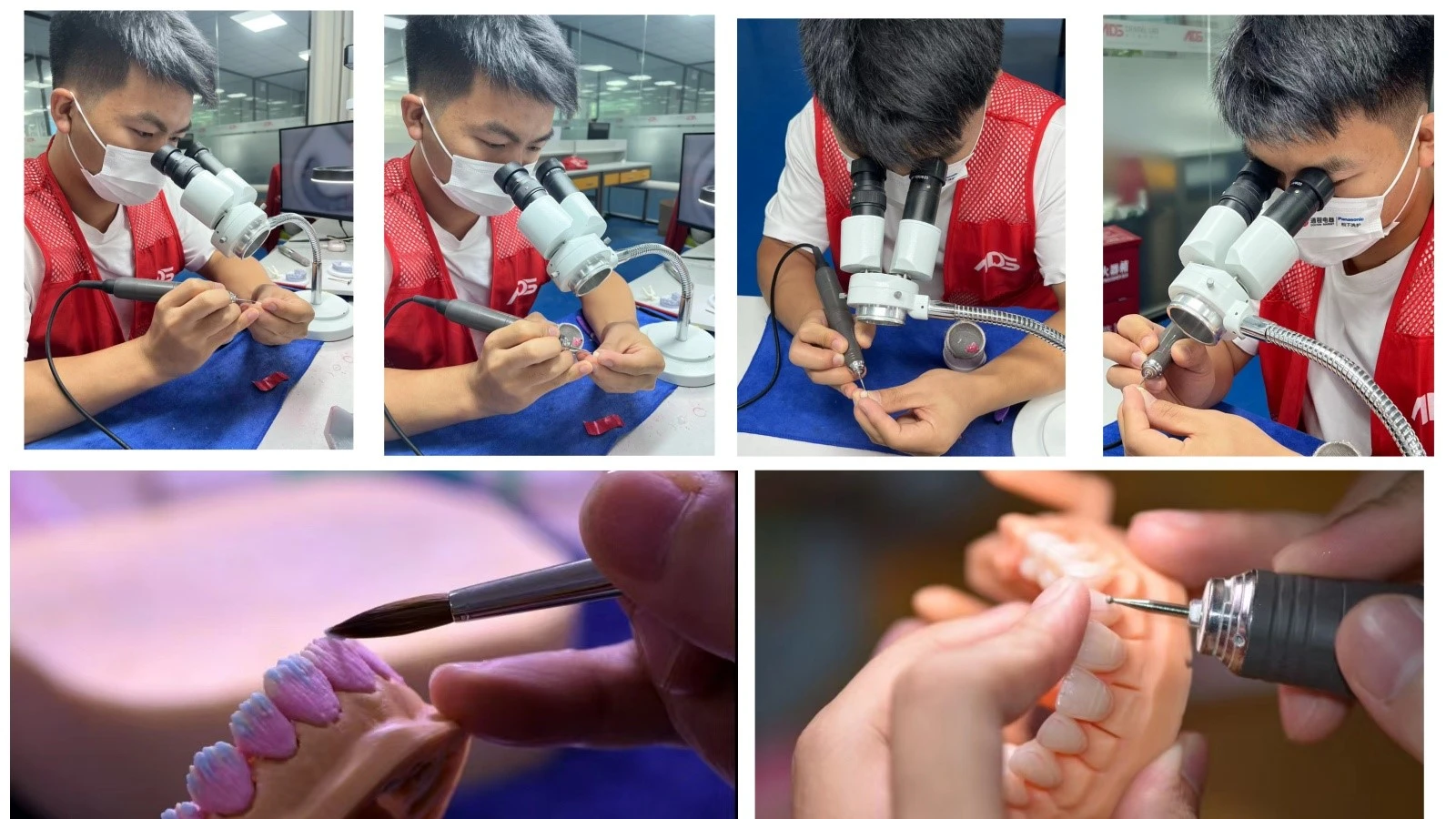
6. E.max Fabrication and Hand Refinement
The restorations are fabricated and refined through ceramic layering, contouring, line-angle adjustment, and surface finishing.
7. Morphology and Final QC
Proportion, symmetry, contacts, facial contour, incisal progression, fit, and overall case balance are reviewed before shipment.
Why Choose ADS for Tooth Shape Correction Cases?

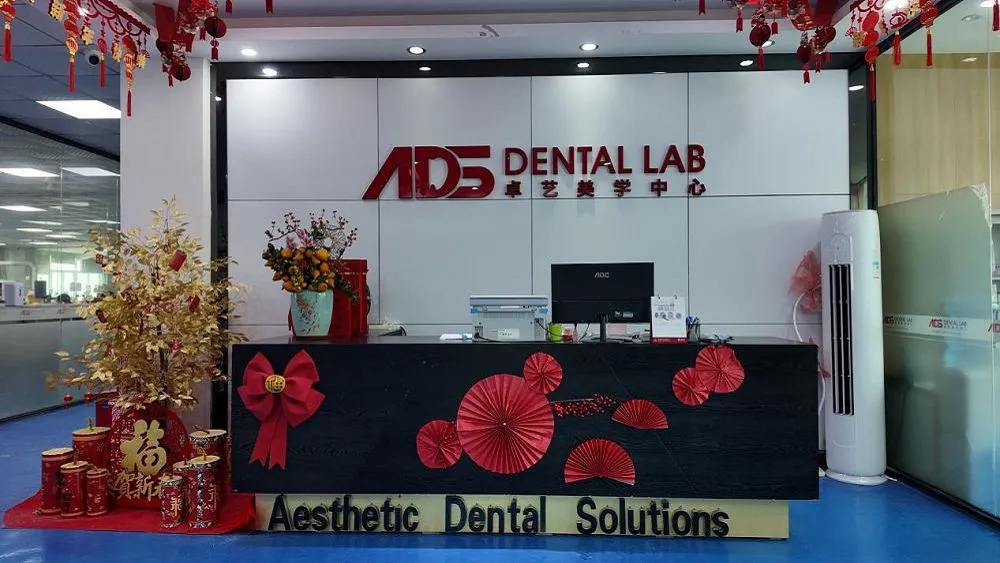
ADS Dental Laboratory Ltd is a full-service digital dental laboratory in Shenzhen, China, providing customized aesthetic restorations and long-term outsourcing support for overseas dentists and dental laboratories.
- Digital Morphology Planning – Width, length, contour, and symmetry can be reviewed before fabrication.
- Dedicated Veneer Aesthetic Team – Specialized technicians support anterior ceramic and morphology-focused cases.
- Pre-Op vs. Final-Design Comparison – Existing tooth form can be compared with the proposed final restoration.
- Hand Contouring and Line-Angle Refinement – Technicians refine tooth form after digital design.
- Design Confirmation Available – Smile design, STL, or HTML files can be provided for selected cases.
- Flexible Outsourcing Support – Dental laboratories can outsource complete veneer cases or selected production stages.

FAQ
Can veneers make short teeth look longer?
Yes, in suitable cases. Incisal length, facial contour, and tooth proportions can be redesigned according to the clinical situation.
Can E.max veneers correct narrow or undersized teeth?
Yes. The restoration can increase apparent width and modify proximal contour when sufficient space and suitable clinical conditions are available.
Can you improve uneven tooth proportions?
Yes. Digital design can be used to review tooth width, length, and symmetry before fabrication.
Can veneers correct peg-shaped lateral incisors?
They may be suitable for selected peg-lateral cases, depending on tooth position, available space, preparation, and the dentist's treatment plan.
Can I choose a more square or more rounded tooth shape?
Yes. Tooth form can be customized according to patient references, adjacent teeth, and the clinician's prescription.
Can you improve asymmetry between left and right anterior teeth?
Yes. Digital planning and hand contouring can be used to coordinate width, line angles, incisal position, and facial contour across the case.
Can I review the tooth shape before fabrication?
Yes. For suitable cases, ADS can provide smile design, STL, or HTML files for confirmation before final production.
Can veneers correct severely misaligned teeth?
Not always. Severe malalignment or major tooth-position changes may require orthodontic or other clinical treatment. The treating dentist should determine whether veneer treatment is appropriate.
Hot Tags: e.max layering veneers for tooth shape correction, China e.max layering veneers for tooth shape correction manufacturers, suppliers, factory, dental expanders for adults, expander for your mouth, expansion plate orthodontics, Feldspathic Porcelain Veneers, lower hawley retainer, maxillary expander adults


