

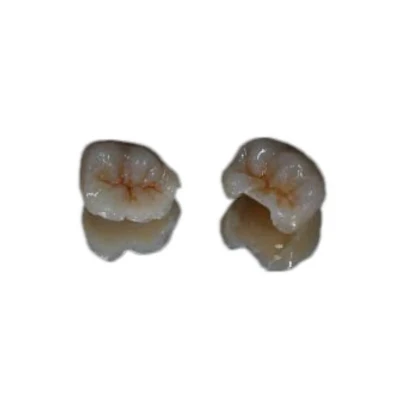
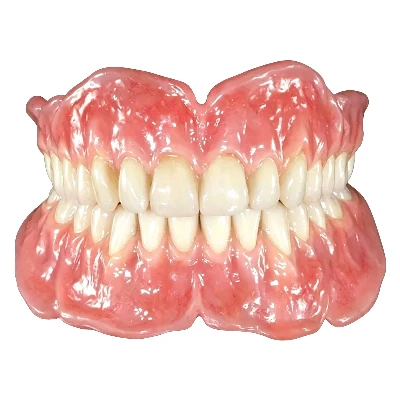
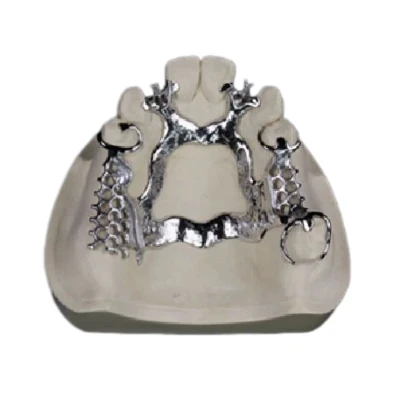
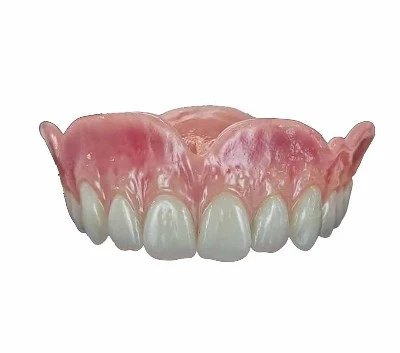


ADS Dental Lab Ltd. is one of the most experienced manufacturers and suppliers of digitally designed all-on-x zirconia bridge in China, featured by quality products and low price. Please feel free to wholesale customized digitally designed all-on-x zirconia bridge made in China here from our factory. For quotation, contact us now.
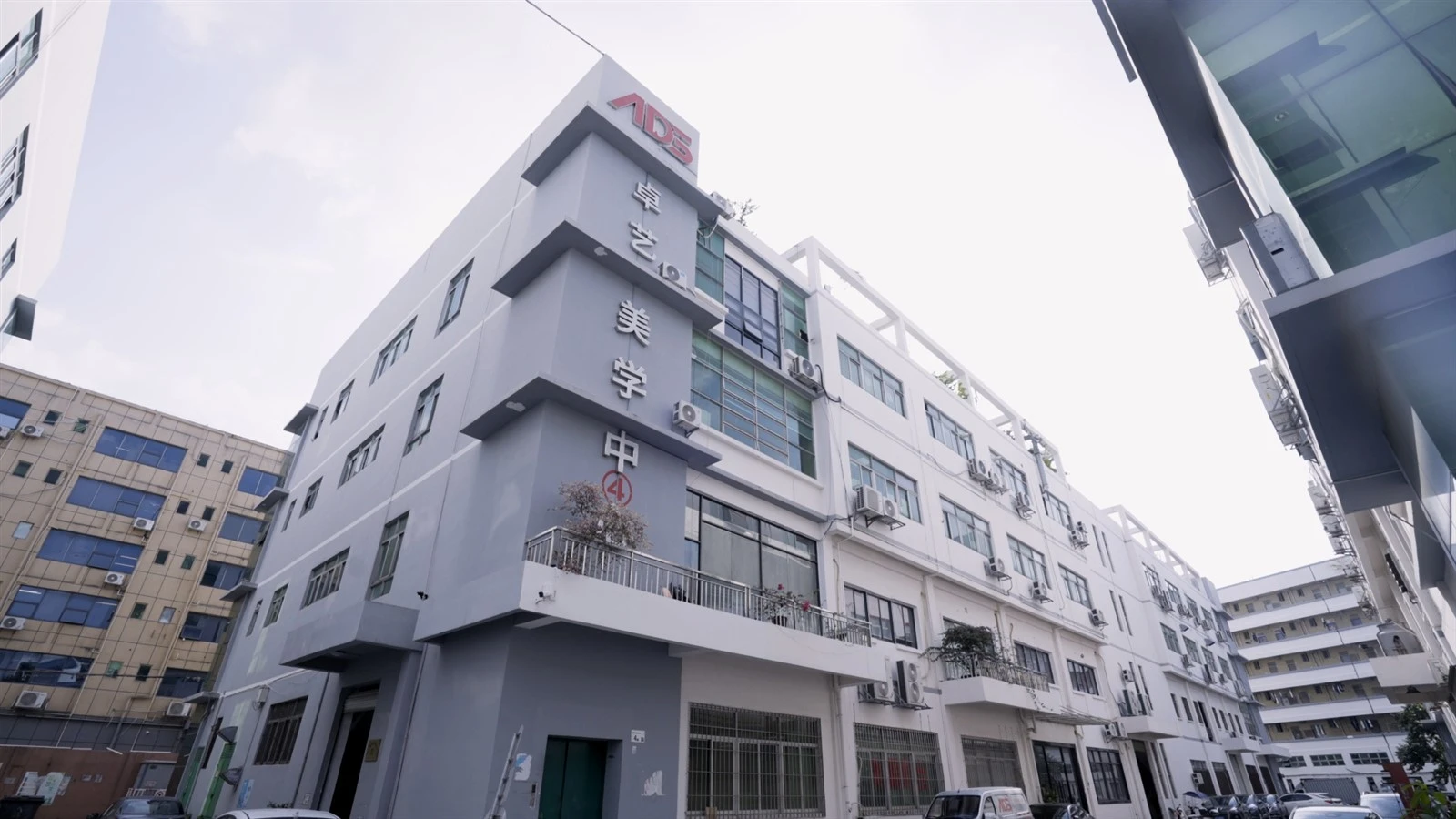
ADS Dental Laboratory Ltd is a full-service digital dental laboratory based in Shenzhen, China, providing customized implant restorations and long-term dental lab outsourcing services for dentists, clinics, and dental laboratories worldwide. Our digital capabilities include STL processing, CAD/CAM design, full-arch design, implant restoration design, milling, 3D printing, and digital case tracking.
Our Digitally Designed All-on-X Zirconia Bridge is developed through a coordinated digital workflow that connects clinical data, implant information, virtual tooth setup, gingival design, occlusal planning, and final production. Rather than moving directly from scan files to manufacturing, ADS evaluates the case data, builds the full-arch prosthetic design, and can provide digital files for customer confirmation before production on suitable cases.
This workflow is especially suited to overseas dentists and dental laboratories that want clearer remote communication and a more structured way to review complex All-on-X restorations.
Send us your STL files, implant scan data, bite records, patient photos, shade information, and prescription for digital All-on-X case review.


Product Specifications
| Specification | Details |
|---|---|
| Product Type | Digitally Designed All-on-X Zirconia Bridge |
| Restoration Type | Fixed full-arch implant restoration |
| Main Material | Dental zirconia |
| Digital Input | STL files, intraoral scans, implant scan data, opposing arch, and bite records |
| Implant Concept | All-on-X / multiple implant support |
| Digital Design | CAD/CAM full-arch and implant restoration design |
| Gingival Design | Customized when required |
| Design Review | STL or HTML-based confirmation for suitable cases |
| Production | Digital design followed by CAD/CAM manufacturing |
| Case Submission | Digital files, photos, shade information, implant system details, and prescription |
What Is a Digitally Designed All-on-X Zirconia Bridge?
A Digitally Designed All-on-X Zirconia Bridge is a full-arch implant restoration in which the prosthetic design is developed from digital case information before the final bridge enters manufacturing.
The process begins with data such as intraoral or model scans, implant scan information, opposing dentition, bite records, patient photographs, shade references, and the restorative prescription. ADS then uses these references to plan the tooth arrangement, arch form, gingival contour, screw-hole positions, occlusal contacts, bridge dimensions, and overall full-arch morphology.
The value of the digital stage is not simply that the restoration is "made by computer." It allows multiple elements of the case to be evaluated together before the zirconia is milled.
For suitable complex cases, ADS can provide design files for customer review so that the dentist or partner laboratory can confirm the planned restoration before final production.

Digital Data Required for an All-on-X Case
A complete digital case gives the design team more information to work with. Depending on the case, useful data may include:
Intraoral or Model Scan
Records the dental arch, restorative space, and surrounding prosthetic anatomy.
Implant Scan Data
Provides the digital information required to relate the planned restoration to the implant positions.
Opposing Arch
Helps coordinate the full-arch restoration with the opposing dentition.
Bite Record
Provides the maxillomandibular relationship used during occlusal planning.
Patient Photographs
Smile, frontal, and close-up photographs can help communicate tooth display, tooth length, gingival requirements, and the intended aesthetic direction.
Restoration Prescription
The prescription should identify the restoration type, shade, implant information, retention concept, gingival requirements, occlusal instructions, and other special requests.
ADS accepts STL files, implant data, bite records, shade photos, patient photos, implant-system information, and restorative instructions as part of its case workflow.
What We Evaluate Before Starting the Digital Design
Before the virtual full-arch setup begins, ADS reviews the available case data to identify the main prosthetic constraints.
Implant distribution affects support, screw-access positions, and the overall bridge design.
Restorative space influences tooth dimensions, gingival volume, bridge contour, and structural planning.
Opposing dentition provides important information for occlusal coordination.
Screw-hole direction needs to be considered when the prescribed restoration uses screw access.
Gingival height influences the relationship between the tooth portion and any required prosthetic gingiva.
Arch form affects tooth arrangement and the transition from the anterior to posterior regions.
These factors are part of ADS's documented full-arch case evaluation process.
Digital Design Checkpoints
Tooth Setup
The design team establishes tooth arrangement, tooth proportions, anterior position, posterior setup, and overall arch curvature.
Implant-to-Prosthesis Relationship
The full-arch setup is coordinated around the actual implant positions rather than treated as a generic tooth arrangement.
Screw Access Position
Where applicable, screw-access channels are reviewed in relation to the tooth morphology and prosthetic contour.
Gingival Architecture
If prosthetic gingiva is needed, gingival height, contour, and volume are incorporated into the design.
Occlusal Contacts
The opposing arch and bite records are used to plan full-arch contact relationships.
Bridge Form
Bridge dimensions and contours are evaluated together with the available restorative space and prescribed restoration design.
Design Confirmation Before Production
For suitable cases, ADS can provide a digital design before final manufacturing. The company's documented workflow includes sending STL or HTML-based files for customer confirmation and proceeding after the design is approved.
This review stage can be used to communicate adjustments to:
- Tooth arrangement
- Tooth length
- Arch form
- Gingival contour
- Screw-access position
- Occlusal design
- Other prescribed prosthetic details
For overseas outsourcing, this creates a clear checkpoint between digital planning and final production.
ADS Digital Workflow for All-on-X Zirconia Bridges

Stage 1 – Digital Case Intake
ADS receives the STL files, implant scan information, opposing arch, bite records, photographs, shade information, and prescription.
Stage 2 – Data Verification
The technical team reviews whether the available information is sufficient for full-arch planning and identifies any case details that require clarification.
Stage 3 – Virtual Full-Arch Setup
Tooth arrangement, arch form, gingival architecture, screw-hole positions, occlusion, and bridge contour are digitally planned.
Stage 4 – Internal Technical Review
The case is evaluated by the relevant digital and implant personnel before it moves forward.
Stage 5 – Customer Design Approval
When design confirmation is required, digital files can be sent to the customer for review.
Stage 6 – CAD-to-Manufacturing Transfer
After approval, the design proceeds to CAD/CAM manufacturing and zirconia milling.
Stage 7 – Technician Finishing
Experienced technicians complete staining, glazing, surface texture, gingival characterization, contouring, and other finishing steps. ADS combines digital manufacturing with manual dental craftsmanship rather than relying entirely on automation.
Stage 8 – Final Quality Control
Fit, screw-hole position, occlusion, shade, surface finish, gingival details, and overall case quality are checked before shipment.
Why Digital Design Matters for Dental Lab Outsourcing
Digital design creates a practical communication bridge between ADS and overseas dental professionals.
Clearer remote communication: case requirements can be translated into a visible digital proposal before production.
Easier design review: tooth setup, gingival form, and other prosthetic details can be discussed while the case is still in the design stage.
Better continuity for recurring cases: previous preferences can become part of ongoing communication with long-term partners.
Flexible outsourcing: dental laboratories can outsource complete cases or selected production stages, including digital design, framework fabrication, implant prosthetics, and other specified steps.
What to Send for a Digital All-on-X Case
For efficient case review, provide as much of the following as is available:
- Upper or lower arch STL files
- Implant scan data
- Implant system information
- Opposing arch scan
- Bite record
- Patient smile and intraoral photographs
- Temporary restoration scan, if available
- Tooth and gingival shade references
- Desired tooth length or tooth-position instructions
- Gingival design requirements
- Occlusal instructions
- Special design notes
ADS also accepts conventional impressions when a fully digital submission is not available.
Why Choose ADS for Digital All-on-X Cases?
ADS has established dedicated digital and implant restoration capabilities, including CAD/CAM designers, implant technicians, digital case receiving, full-arch design, implant restoration design, scanning, milling, 3D printing, and case tracking.
For overseas dental laboratories, ADS can support complete-case production or selected stages within an existing workflow. Digital manufacturing is combined with technician finishing and structured quality control, allowing the same case to move from design through production and final inspection within one laboratory system.
Need support with digital All-on-X design or production? Send ADS your next case for design review, complete manufacturing, or selected-stage outsourcing.

FAQ
Q: What digital files do you need for an All-on-X case?
A: Useful files include STL scans of the restorative arch, implant scan data, the opposing arch, bite records, implant-system information, photographs, and the restoration prescription.
Q: Can ADS accept STL files from different digital workflows?
A: ADS accepts STL files and digital scan data as part of its digital case-receiving workflow.
Q: Do you need the opposing arch and bite record?
A: They are recommended because they provide important information for occlusal planning and full-arch coordination.
Q: Can I send a provisional restoration scan as a reference?
A: Yes. Temporary restoration data can be included to communicate existing tooth arrangement, tooth length, arch form, and design preferences.
Q: Can I review the digital design before production?
A: Yes. For suitable cases, ADS can provide STL or HTML-based digital designs for customer confirmation before final manufacturing.
Q: Can I request changes before milling?
A: For cases using digital design confirmation, requested changes can be communicated before the approved design proceeds to final production.
Q: Can my dental laboratory outsource only the CAD design stage?
A: Yes. ADS supports selected-stage outsourcing as well as complete-case production for dental laboratory partners.
Q: Can ADS handle a case that combines digital files with conventional information?
A: Yes. ADS accepts both digital case data and conventional impressions, allowing the workflow to be adapted to the information available for the case.
Hot Tags: digitally designed all-on-x zirconia bridge, China digitally designed all-on-x zirconia bridge manufacturers, suppliers, factory, Aesthetic And Strong Zirconia Crown, an upper jaw expander, bottom palate expander, Implant Zirconia Bridge, orthodontics spacer for teeth, palate expander removable


