



ADS Dental Lab Ltd. is one of the most experienced manufacturers and suppliers of mandibular all-on-x zirconia bridge in China, featured by quality products and low price. Please feel free to wholesale customized mandibular all-on-x zirconia bridge made in China here from our factory. For quotation, contact us now.
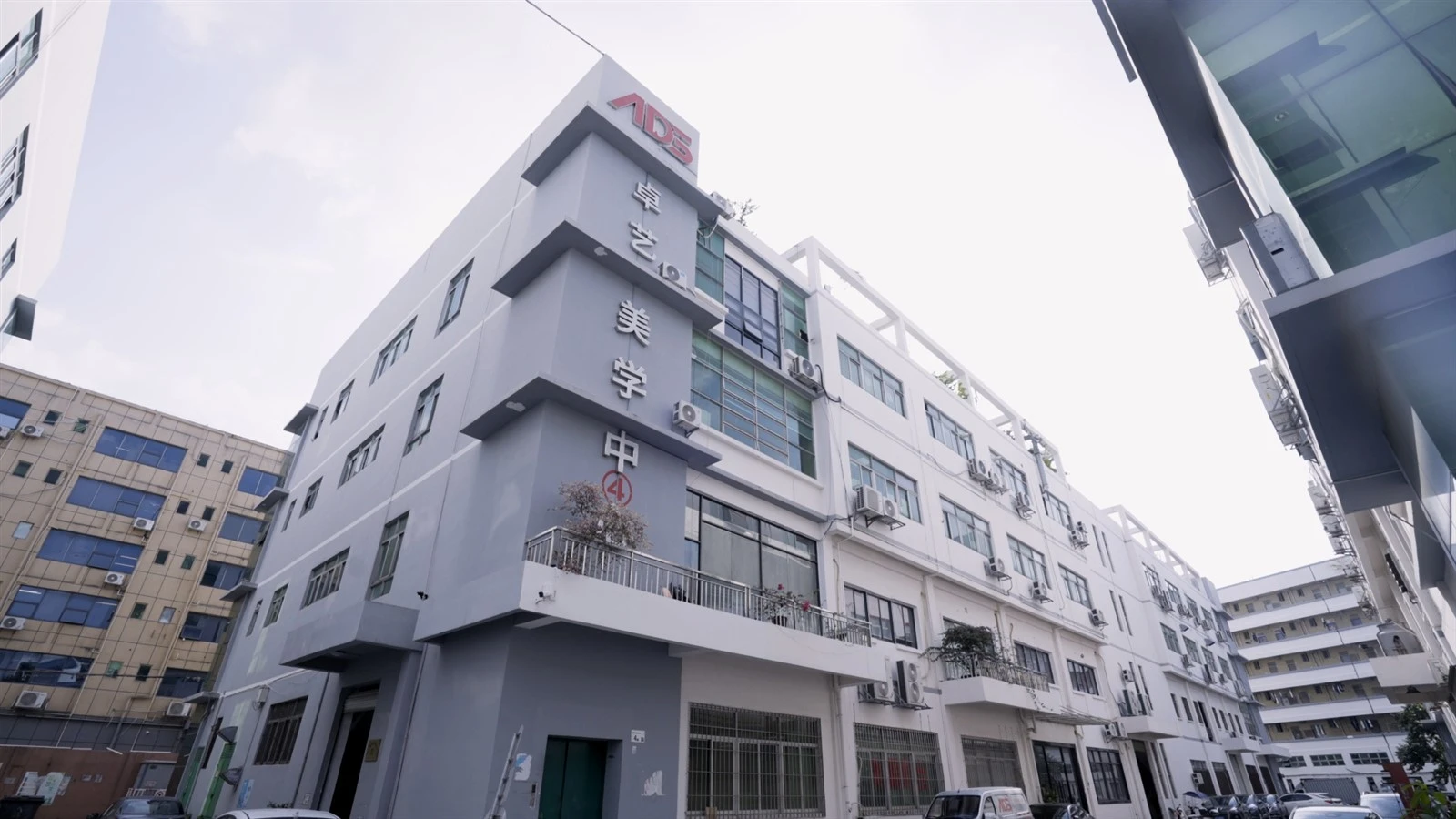
ADS Dental Laboratory Ltd is a full-service digital dental laboratory based in Shenzhen, China, providing customized implant restorations and long-term dental lab outsourcing services for dentists, clinics, and dental laboratories worldwide. Our implant capabilities include multi-unit implant bridges, All-on-X restorations, implant bars, overdentures, and complex full-arch prosthetics.
Our Mandibular All-on-X Zirconia Bridge is designed for fixed implant-supported rehabilitation of the complete lower arch. Compared with upper-arch cases, mandibular restorations place greater emphasis on lower-arch form, lingual contour, posterior tooth position, available restorative space, opposing maxillary occlusion, and the tissue-side form of the prosthesis.
ADS accepts digital scans, STL files, conventional impressions, implant information, bite records, opposing-arch data, patient photographs, and restorative prescriptions. For suitable complex cases, digital designs can be sent to the customer for review before final production.
Have a mandibular All-on-X case to outsource? Send us your lower-arch scan, implant data, maxillary opposing scan, bite records, and restorative instructions for technical review and digital planning.


Product Specifications
| Specification | Details |
|---|---|
| Product Type | Mandibular All-on-X Zirconia Bridge |
| Arch | Mandibular / Lower Arch |
| Restoration Type | Fixed full-arch implant restoration |
| Main Material | Dental zirconia |
| Implant Concept | All-on-X / multiple implant support |
| Lingual Contour | Customized according to restorative space and lower-arch design |
| Gingival Portion | Customized when required |
| Occlusion | Coordinated with maxillary opposing dentition |
| Design Method | Digital CAD/CAM full-arch design |
| Case Submission | STL files, scans, impressions, implant data, bite records, opposing arch, and prescription |
What Is a Mandibular All-on-X Zirconia Bridge?
A Mandibular All-on-X Zirconia Bridge is a fixed implant-supported prosthesis used to restore an entire lower dental arch using multiple implants as the supporting foundation.
Unlike a series of individual crowns, the restoration is planned as one complete mandibular arch. Implant distribution, arch width, restorative space, posterior tooth position, lingual contour, gingival requirements, and the relationship with the opposing maxillary dentition all influence the final prosthetic design.
Where the case includes loss of soft-tissue volume, a customized gingival portion can be incorporated into the restoration. The amount and contour of this component are planned according to the available space and the dentist's prescription.
ADS evaluates implant position, available restorative space, opposing dentition, gingival height, screw-hole direction, and occlusal requirements before completing the full-arch digital design.

What Makes a Mandibular All-on-X Case Different?
Lingual Space
The lingual side of a lower full-arch prosthesis is an important part of the overall contour. The design must fit within the available restorative space while maintaining the intended arch form and prosthetic dimensions.
Mandibular Arch Form
The lower dental arch has its own anterior-to-posterior curvature and width. Tooth setup therefore needs to be adapted to the actual mandibular case rather than copied from a generic full-arch arrangement.
Tongue-Side Prosthetic Contour
For mandibular cases, the inner contour of the restoration deserves particular attention. ADS coordinates this area with the available space, implant-related features, and complete bridge form during digital planning.
Posterior Tooth Position
Posterior arrangement affects both the continuity of the lower arch and the relationship with the opposing dentition. Tooth position should therefore be planned together with implant support and occlusal requirements.
Relationship with the Maxillary Arch
A mandibular All-on-X bridge cannot be designed in isolation. The opposing maxillary scan and bite records provide important information for coordinating anterior and posterior occlusion.
Key Functional Design Priorities for the Lower Full Arch
Occlusal Coordination
ADS reviews the opposing dentition and bite information during case evaluation. Occlusal contacts are incorporated into the full-arch design rather than adjusted only after manufacturing.
Posterior Support
Posterior tooth setup is coordinated with the complete lower arch. Implant distribution, available restorative space, and opposing contacts all influence the final arrangement.
Lingual Prosthetic Form
The lingual contour must work together with the tooth setup, gingival base, and restorative dimensions. It is therefore treated as part of the complete prosthesis rather than an isolated surface.
Gingival Volume
Where pink gingiva is required, its volume is designed within the available prosthetic envelope so that tooth proportions, bridge contour, and lower-arch form remain coordinated.
Screw Access Coordination
For screw-retained cases, screw-hole positions must be considered together with tooth position, occlusal surfaces, and the complete mandibular bridge design.
Clinical Applications
A Mandibular All-on-X Zirconia Bridge may be considered for:
- Completely edentulous mandibular arches requiring a fixed implant-supported restoration.
- Terminal lower dentition planned for full-arch rehabilitation.
- Mandibular All-on-4, All-on-6, or other All-on-X configurations.
- Cases requiring replacement of the complete lower dental arch.
- Lower full-arch restorations requiring coordinated posterior function.
- Cases requiring customized gingival replacement.
- Complex mandibular implant cases requiring digital full-arch planning.
The final restorative concept should follow the clinician's treatment plan, implant distribution, restorative space, and case-specific functional requirements.
Tissue-Side and Lingual Design Considerations
Ridge-Facing Contour
The tissue-facing surface forms part of the complete prosthetic architecture. Its contour should correspond with the case design and available prosthetic space.
Lingual Transition
The inner contour should remain coordinated from the anterior region through the posterior segments rather than changing abruptly between different areas of the arch.
Gingival Base
When a gingival portion is included, the outer pink contour and the tissue-side prosthetic form are planned together as part of the complete restoration.
Full-Arch Integration
The tissue side, lingual contour, tooth arrangement, implant-related features, and occlusion all need to function within the same design. This integrated approach helps avoid treating the mandibular bridge as separate structural and aesthetic components.
ADS Workflow for Mandibular All-on-X Cases

Stage 1 – Receive Lower-Arch and Opposing Data
The customer submits the mandibular scan or impression, implant information, maxillary opposing scan, bite records, shade information, photographs when relevant, and restorative instructions.
Stage 2 – Evaluate Restorative Space
ADS reviews implant distribution, lower-arch form, gingival requirements, available space, screw-hole direction, and opposing dentition.
Stage 3 – Establish Tooth Position and Lingual Contour
The digital team plans the anterior and posterior tooth setup together with the lingual contour and overall mandibular bridge form.
Stage 4 – Coordinate with Maxillary Occlusion
The mandibular design is reviewed against the opposing arch so that contact relationships and posterior positioning can be coordinated before production.
Stage 5 – Digital Design Confirmation
For suitable cases, ADS can provide STL or HTML-based design files for customer review before final manufacturing.
Stage 6 – Zirconia Production and Finishing
After approval, the restoration proceeds through CAD/CAM manufacturing, milling, sintering, staining, and technician finishing.
Stage 7 – Lower-Arch Functional QC
Before shipment, ADS checks fit, implant-related positioning, screw access, lingual contour, occlusion, posterior contacts, gingival details, shade, and surface finish.
What to Send for a Mandibular Full-Arch Case
For efficient lower-arch design communication, we recommend providing as much of the following information as possible:
- Mandibular STL file or intraoral scan
- Implant scan data
- Implant system information
- Maxillary opposing scan
- Bite record
- Existing provisional restoration scan, if available
- Gingival requirements
- Desired tooth arrangement
- Occlusal instructions
- Shade information
- Clinical photographs when aesthetic or gingival references are needed
ADS accepts both digital files and conventional impressions for customized case production.
Why Dental Labs Outsource Mandibular All-on-X Cases to ADS
ADS supports overseas dental laboratories with both complete-case production and selected-stage outsourcing. Partner laboratories may outsource digital design, framework production, implant prosthetics, crown-and-bridge production, finishing, or complete full-arch cases according to their internal workflow.
For mandibular cases, ADS combines implant restoration design with structured occlusal evaluation and full-arch coordination. In applicable workflows, genuine Amann Girrbach articulators and related equipment are used to support occlusal simulation and functional assessment.
For recurring partners, tooth setup preferences, occlusal instructions, gingival style, and other case-specific requirements can become part of ongoing communication, helping establish a more consistent outsourcing workflow over time.
Looking for support with recurring mandibular All-on-X cases? Send ADS your next case to discuss digital design, complete production, or selected-stage outsourcing.

FAQ
Q: Do you need the maxillary opposing scan for a mandibular All-on-X case?
A: It is strongly recommended when available because the opposing arch provides important information for occlusal planning and posterior tooth coordination.
Q: Can ADS customize the lingual contour of the lower full-arch bridge?
A: Yes. The lingual contour is incorporated into the digital full-arch design according to restorative space, arch form, implant-related features, and the prescribed prosthetic form.
Q: Can I provide a provisional mandibular bridge as a reference?
A: Yes. A provisional restoration scan can provide useful information about existing tooth position, arch form, gingival contour, and features the clinician wants to maintain or change.
Q: Can posterior tooth position be modified during design review?
A: For cases using pre-production digital confirmation, requested changes can be communicated before final manufacturing.
Q: Can ADS add customized gingiva to a mandibular zirconia bridge?
A: Yes. Gingival height, contour, volume, shade, and characterization can be customized according to the restorative space and prescription.
Q: Can I specify occlusal requirements for the lower arch?
A: Yes. Occlusal instructions, bite records, and opposing-arch information can be included in the case prescription and digital planning process.
Q: Can I review the mandibular full-arch design before production?
A: Yes. For suitable cases, ADS can provide digital design files for customer confirmation before final production.
Q: Can my dental laboratory outsource only digital design or selected production stages?
A: Yes. ADS supports both complete-case outsourcing and selected production stages for overseas dental laboratories.
Hot Tags: mandibular all-on-x zirconia bridge, China mandibular all-on-x zirconia bridge manufacturers, suppliers, factory, Fixed Restorations, laminate emax veneers, Layered Zirconia Crown, palate expander bottom jaw, palate expander for underbite, teeth expander for adults


