
Introduction
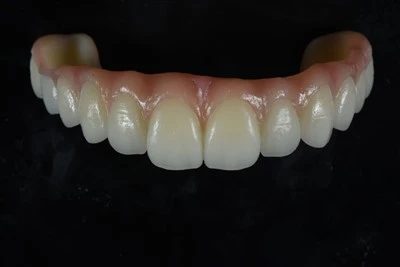
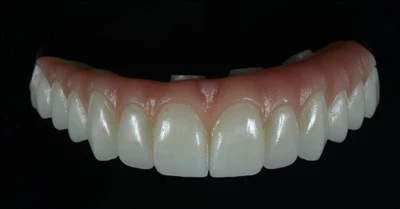
Zirconia screw-retained implants represent a significant advancement in dental implantology, offering superior strength, biocompatibility, and aesthetic appeal. This case study examines the use of a zirconia screw-retained implant for a patient requiring a robust and visually pleasing dental restoration.
Patient Background
A 58-year-old female patient presented with a missing molar tooth, seeking a durable and aesthetically pleasing replacement. The patient had a history of metal allergies and expressed a preference for a non-metallic solution.
Material Properties
Zirconia Screw-Retained Implant:
- High-Tech Biological Material: Zirconia is a biocompatible material widely used in medical applications such as hip joint replacements, ensuring its safety and suitability for dental implants.
- Strength and Durability: Yttrium-stabilized zirconia ceramics used in these implants have high bending strength, often reaching 900MPa. This far exceeds the national standard for dental materials, set at 100MPa (yy0716-2009), making zirconia implants ideal for high-stress areas like molars.
- Toughness and Stability: Zirconia exhibits excellent toughness, comparable to metals, reducing the risk of fractures and ensuring long-term stability under mechanical stress.
Clinical Procedure
The patient underwent a comprehensive evaluation to confirm the suitability of a zirconia screw-retained implant. The procedure involved the following steps:
- Initial Assessment and Planning: Detailed imaging and planning were conducted to determine the precise placement of the implant. This included digital scans and 3D modeling to ensure optimal alignment and integration with the jawbone.
- Surgical Placement: The implant site was prepared by drilling a pilot hole in the jawbone, followed by the insertion of the zirconia implant. The screw-retained nature of the implant allowed for secure and stable placement.
- Osseointegration Period: The patient underwent a healing period to allow the implant to integrate with the bone tissue, ensuring a strong foundation for the prosthetic tooth.
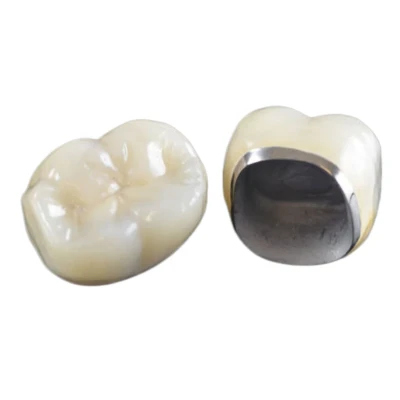
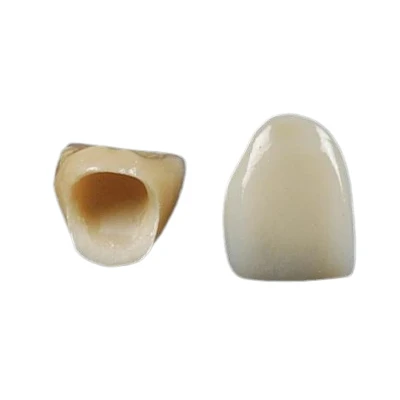
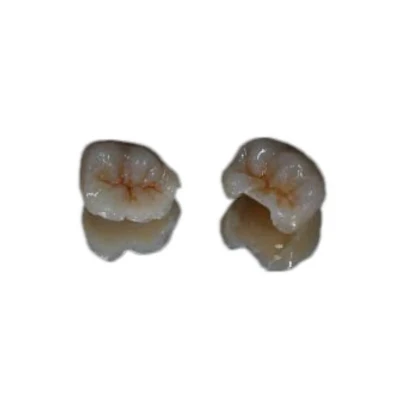
- Prosthetic Attachment: After successful osseointegration, a custom-made zirconia crown was fabricated and attached to the implant using a screw-retained mechanism. This provided a secure and aesthetically pleasing result.
Results
The patient reported high satisfaction with the zirconia screw-retained implant. The implant provided excellent functionality and a natural appearance, aligning with the patient's expectations and needs.
Benefits Observed:
Biocompatibility: The patient experienced no adverse reactions, confirming the biocompatibility of zirconia, especially important given her history of metal allergies.
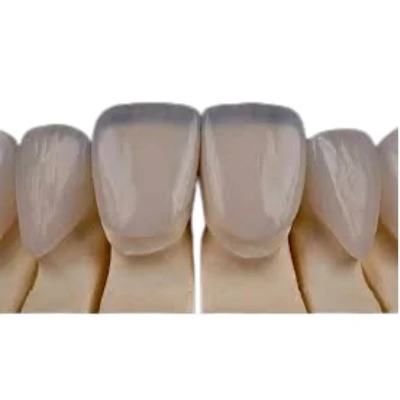
Aesthetic Appeal: The implant and crown matched the patient's natural teeth in color and shape, providing a seamless integration with her smile.
Durability and Functionality: The implant demonstrated exceptional strength and stability, withstanding the functional demands of a molar tooth without any complications during follow-up visits.
Conclusion
This case study highlights the advantages of zirconia screw-retained implants in dental restoration, particularly for patients requiring non-metallic solutions. The combination of biocompatibility, strength, and aesthetic appeal makes zirconia an excellent choice for dental implants. The positive outcome for the patient underscores the effectiveness of zirconia screw-retained implants in providing durable and visually pleasing dental restorations.