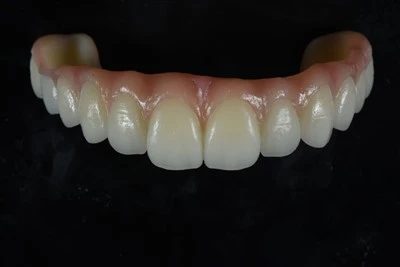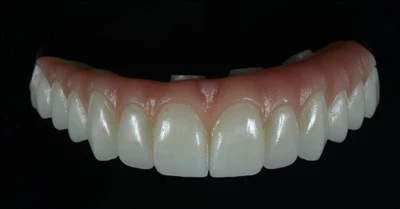
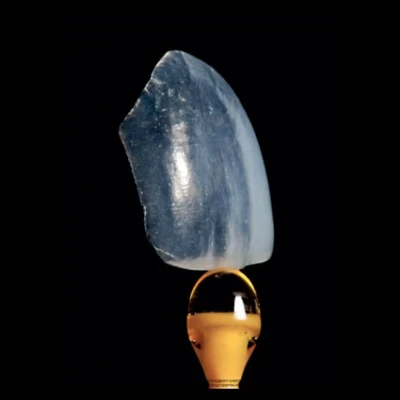
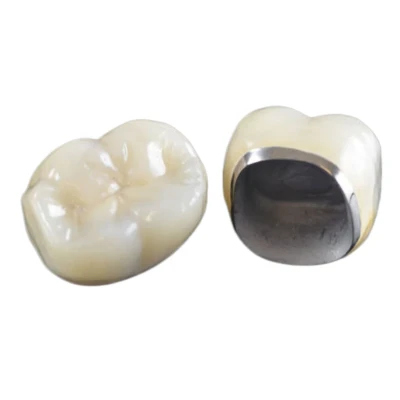
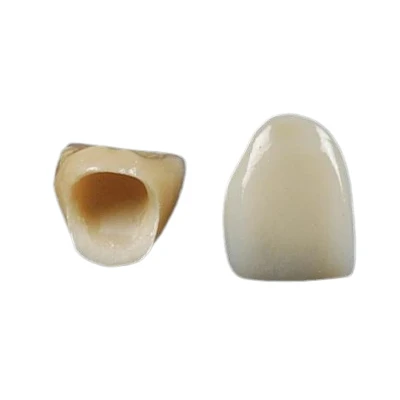
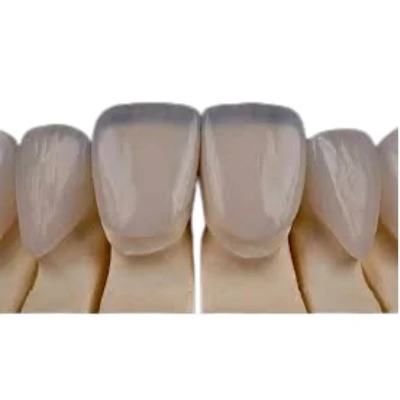
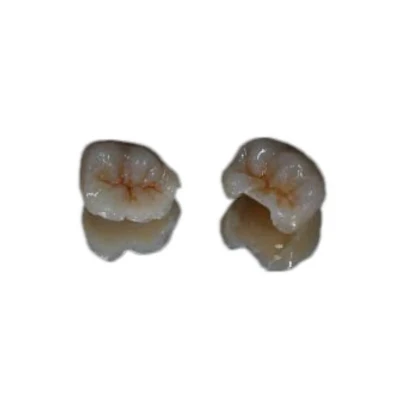
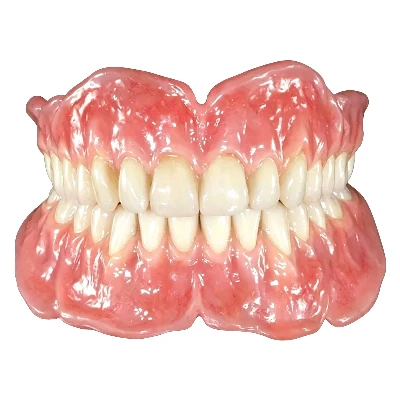


Porcelain veneers are popular for creating beautiful, natural smiles. However, not all veneers are equally durable, and some patients experience frequent breakage. Understanding why can help dentists and patients make better choices.
1. Occlusion Precision is Critical A veneer's longevity depends heavily on bite alignment. Even a tiny misalignment-just 8 microns (0.008 mm)-can concentrate force on a small area. Over time, this repeated stress can cause the porcelain to chip or fracture. Meticulous occlusion adjustment ensures even force distribution, reducing the risk of damage.
2. Perfect Bonding Creates Strength The bonding process is just as important as the veneer itself. Poorly bonded veneers do not fully integrate with the enamel, creating weak points. These gaps can make veneers prone to breakage, while high-quality veneers bonded precisely form a strong, unified structure that can withstand everyday chewing forces.
3. Material Quality and Craftsmanship Not all porcelain veneers are created equal. High-quality ceramics combined with expert craftsmanship result in veneers that are not only aesthetic but also highly durable. Cutting corners in materials or fabrication increases the likelihood of fractures.
Key Takeaway: Frequent veneer breakage is rarely due to chance. It's usually a combination of imprecise occlusion, weak bonding, or subpar materials. Choosing a skilled dental team and a reliable lab ensures veneers are both beautiful and long-lasting.
ADS Dental Lab provides high-precision porcelain veneers, crowns, bridges, and implant-supported restorations. Using digital CAD/CAM design, 3D printing, and strict quality control, we deliver consistently durable, aesthetic dental restorations worldwide.