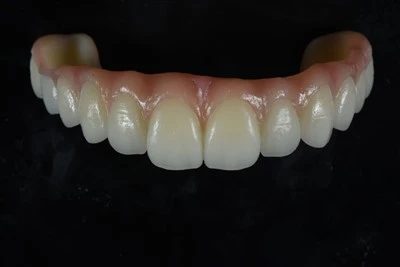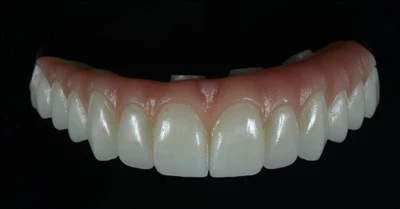
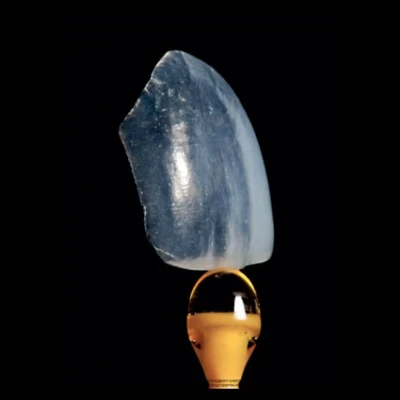
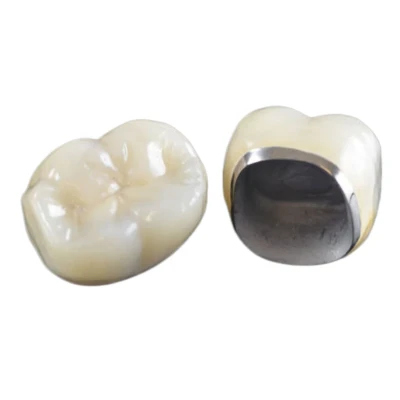
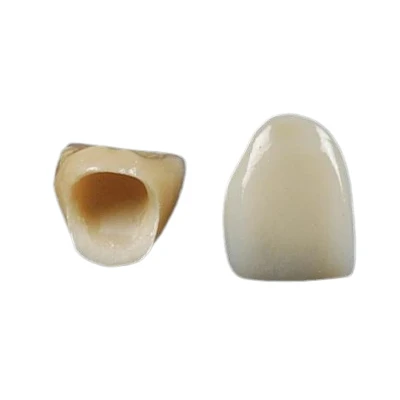
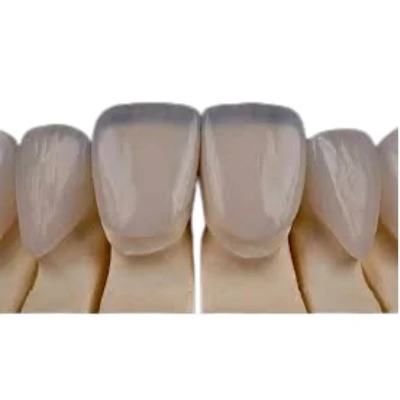
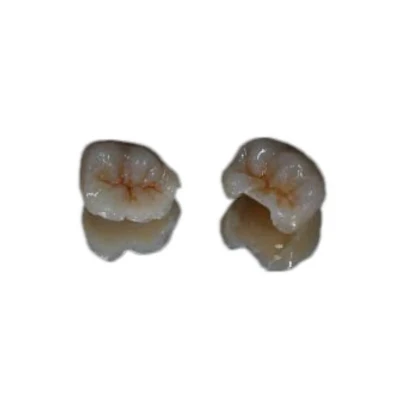
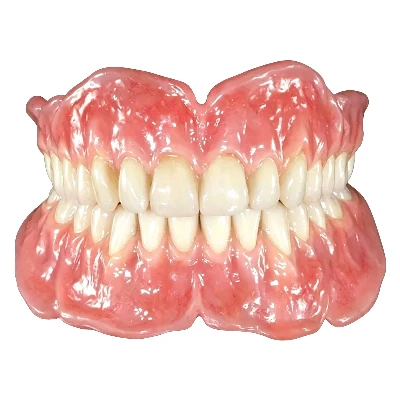

In daily lab work for overseas dentists and clinics, we see the same question come up again and again: which zirconia option will actually perform in the mouth - high translucent zirconia or layered zirconia? Both materials dominate modern CAD/CAM restorations, but they solve different problems. One prioritizes efficiency and reliability. The other prioritizes maximum customization at the cost of extra steps and risks.
We have milled thousands of units of each type. Here is a direct breakdown based on what actually happens in production and in clinical feedback.

What Is High Translucent Zirconia?
High translucent zirconia, often labeled HT zirconia or 5Y zirconia, refers to monolithic or multilayer blocks with higher yttria content (typically 4–5 mol% or more). This shifts more of the crystal phase toward cubic zirconia, which lets light pass through more easily.
At 1 mm thickness, these materials commonly achieve light transmission above 40%, sometimes reaching 43–57% in gradient multilayer versions. Flexural strength usually lands in the 600–900 MPa range for 5Y types, though multilayer designs keep higher strength at the cervical/base area (up to 900–1200 MPa in some gradient blocks) while staying more translucent incisally.
The big practical advantage is the workflow. You mill the full contour from a single block or pre-layered disc. Minimal manual staining or no porcelain buildup needed in many cases. This cuts production time and removes the interface where things can fail later.
Modern multilayer high translucent zirconia improves on earlier uniform versions by building in color and translucency gradients that better mimic dentin-to-enamel transition. That makes it viable for more anterior cases than older monolithic blocks ever were.
What Is Layered Zirconia?
Layered zirconia starts with a high-strength zirconia core, most often 3Y-TZP. This core delivers flexural strength in the 1100–1500 MPa range and excellent fracture toughness. Technicians then apply and fire porcelain veneer layers on top to create the final shape, color, and surface effects.
The zirconia substructure carries the load. The porcelain handles most of the visible esthetics - opalescence, characterization, and fine color matching. This construction gives the highest level of customization because the ceramist can adjust every detail by hand or with cut-back techniques.
The trade-off is obvious in the lab: more steps, more firing cycles, and an interface between the zirconia and porcelain that can become a weak point under stress or poor support.
Key Differences Between High Translucent Zirconia and Layered Zirconia
The real decision usually comes down to three factors: how much light you need, how much force the restoration must handle, and how much time and risk you want to accept in fabrication.
Here is a direct comparison of the main parameters we track in production:
|
Feature |
High Translucent Zirconia (Monolithic / Multilayer) |
Layered Zirconia (3Y Core + Porcelain Veneer) |
|
Material Structure |
Single block or gradient multilayer |
Strong zirconia core + separate porcelain layers |
|
Light Transmission / Translucency |
High (>40% at 1mm, multilayer gradients up to 43–57%) |
Good overall, but depends on veneer thickness and quality |
|
Flexural Strength |
600–900 MPa typical (multilayer base higher) |
Core 1100–1500 MPa; veneer much lower |
|
Chipping Risk |
Very low (no veneer interface) |
Moderate to higher (depends on design and support) |
|
Fabrication Process |
CAD/CAM milling, fast, fewer manual steps |
Milling core + manual/pressed layering, more time |
|
Esthetic Customization |
Good with multilayer; limited compared to hand work |
Highest (full control over color, texture, effects) |
|
Shade Stability |
Excellent (solid material) |
Good, but veneer can show changes over time |
|
Typical Clinical Use |
Anterior (multilayer) and posterior restorations |
High-esthetic anterior or complex cases |
High translucent versions, especially multilayer blocks, have narrowed the esthetic gap significantly. Earlier monolithic zirconia often looked flat or "dull" in the smile zone. Current gradient discs reduce that issue by varying yttria content and shade through the thickness.
Layered zirconia still wins when a case demands extreme individual characterization that no pre-layered block can fully replicate. But that comes with the reality of managing porcelain support and firing.

Anterior vs Posterior: Where Each Material Performs Best
Anterior Restorations (Incisors, Canines, Premolars – Smile Zone)
Light transmission matters most here. Patients notice subtle differences in how the crown blends with natural teeth under different lighting.
Multilayer high translucent zirconia works well for many single anterior crowns and short bridges. The built-in gradient handles cervical opacity and incisal translucency without extra labor. Chipping risk stays low because there is no veneer layer to delaminate.
Layered zirconia remains the choice when the dentist or patient wants the absolute highest level of customization - specific opalescence, mamelons, or unique characterization that matches adjacent teeth perfectly. The extra time and cost only make sense when esthetics drive the entire case.
In our experience, modern multilayer HT zirconia now covers the majority of routine anterior work without forcing compromises on strength for light occlusion zones.
Posterior Restorations (Molars, Bridges, Bruxers)
Occlusal forces decide the material here. Heavy bite loads and parafunction punish any weak points.
The high-strength 3Y core in layered zirconia handles heavy occlusion reliably, but the porcelain veneer still carries chipping risk if support is marginal or if the patient grinds heavily.
High translucent monolithic or multilayer zirconia reduces that risk dramatically because the entire restoration is the same tough material. Strength is lower than a 3Y core, but for most posterior single crowns and many bridges it is still more than adequate, especially with proper thickness. Multilayer designs keep decent translucency while protecting the base.
For severe bruxers or long-span bridges, we often default to higher-strength monolithic options or carefully designed layered with robust core support.
How to Choose the Right Material
Start with the tooth position and the patient's bite.
Anterior, moderate bite, high esthetic demand → Multilayer high translucent zirconia is usually the practical first choice today. It balances look, speed, and reliability.
- Anterior, extreme customization needed → Layered zirconia if the lab team has strong porcelain skills and the case justifies the extra effort.
- Posterior or bruxer → Prioritize strength and low chipping. Monolithic high translucent (or higher-strength variants) often wins for simplicity and longevity. Layered only if esthetics in visible premolars requires it and support is excellent.
Other practical factors:
- Preparation depth: High translucent monolithic sometimes needs slightly more reduction for best esthetics.
- Lab capability: Not every lab controls porcelain layering equally well. Consistent monolithic production is easier to scale with digital workflows.
- Cost and turnaround: Monolithic options are generally faster and more predictable in pricing for volume work.
The cleanest approach is to discuss the specific case with your lab early. Send photos, shade information, and occlusion details. A good partner will recommend based on what they actually produce reliably rather than what sounds best on paper.
Why Partner with a Chinese Digital Dental Laboratory
Many overseas clinics now rely on specialized Chinese labs for consistent zirconia work. The advantage comes from scale and digital infrastructure.
Advanced CAD/CAM setups allow precise milling of both multilayer high translucent blocks and layered frameworks with tight quality control. Material sourcing from major zirconia manufacturers keeps options open - 3Y, 4Y, 5Y, and gradient discs.
Production volume helps maintain competitive pricing without sacrificing consistency in marginal fit or shade. For long-term outsourcing, look for labs that demonstrate experience with both material types, clear communication in English, stable lead times, and willingness to handle trial cases.
At ADS Dental Laboratory Ltd, we focus on exactly this: reliable, long-term custom production of high translucent and layered zirconia restorations for international dentists and labs. Our digital workflow supports both approaches so you can choose based on the case, not lab limitations.
Final Thoughts
High translucent zirconia and layered zirconia are both valid restorative options, but they are not interchangeable.
High translucent zirconia is usually the better choice when the case needs structural simplicity, lower chipping risk, efficient production, and reliable posterior performance. Layered zirconia is usually the better choice when the case demands stronger esthetic characterization, especially in the anterior region.
The right selection depends on where the restoration sits, how much esthetic detail the case actually needs, what the occlusion looks like, and how capable the laboratory is. That is how the decision should be made in real work.
If you are looking for a reliable Chinese dental laboratory for zirconia restorations, ADS Dental Laboratory can support your cases with stable quality, clear communication, and long-term outsourcing cooperation.