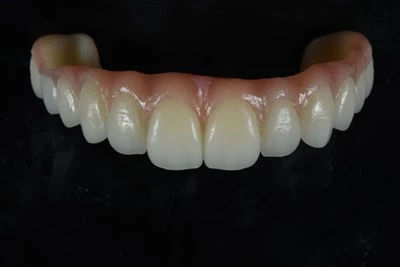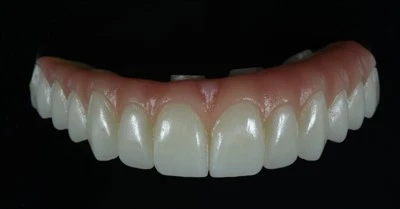
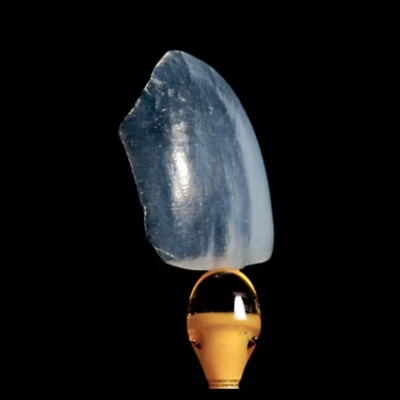
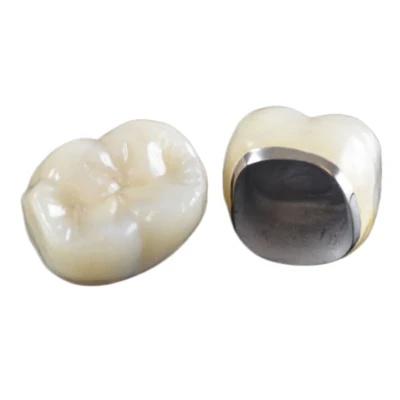
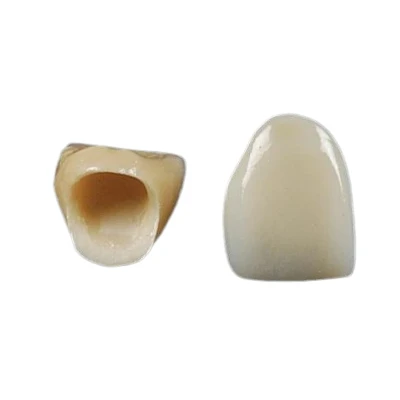
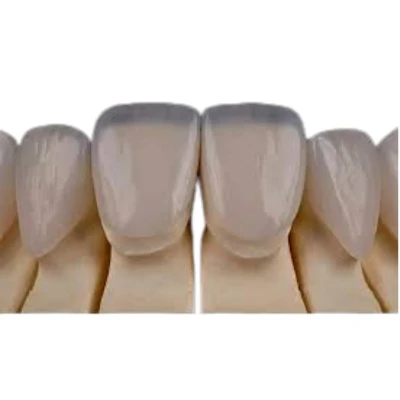
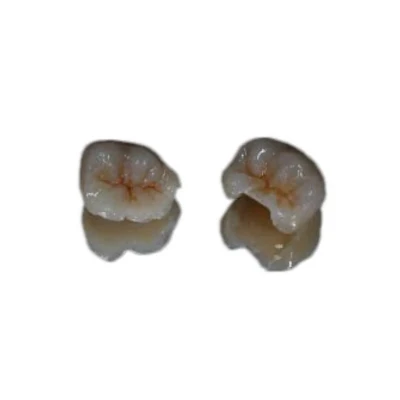

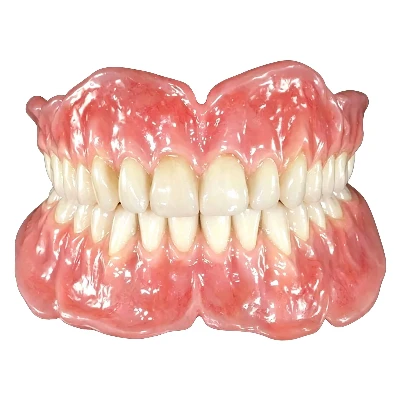

All-ceramic crown and bridge materials have replaced many PFM restorations in labs and clinics worldwide. No single material works for every case. Selection depends on tooth position, span length, bite forces, esthetic demands, and preparation details.
The Right All-Ceramic Material Depends on the Case
Full-ceramic restorations deliver superior esthetics and biocompatibility compared to metal-based options. They eliminate dark margins and metal allergies while supporting precise CAD/CAM workflows.
Zirconia handles posterior teeth, bridges, implants, and high-load situations. Lithium disilicate and glass ceramics excel in anterior single crowns, veneers, and high-esthetic areas. The rest of this article breaks down material types, performance differences, selection logic, and why lab processing quality often decides final outcomes.

What Are All-Ceramic Crown and Bridge Materials?
All-ceramic crown and bridge materials are metal-free restorations made from ceramic systems. They rely on glass or polycrystalline structures for strength and appearance.
Unlike PFM crowns with a metal substructure, these options avoid gray show-through at the gingiva and offer better light transmission for natural results. Biocompatibility runs high, with minimal tissue reaction in most patients.
All-ceramic does not mean one-size-fits-all. Strength varies from under 100 MPa in traditional glass ceramics to over 1000 MPa in monolithic zirconia. Translucency, bonding protocols, and clinical indications differ sharply between categories.
Main Types of All-Ceramic Crown and Bridge Materials
Feldspathic Porcelain and Leucite-Reinforced Ceramics
These traditional glass-based ceramics prioritize esthetics. Flexural strength typically sits between 80–160 MPa.
Dentists use them for veneers, inlays, onlays, and low-stress anterior crowns. They mimic natural tooth translucency and blend seamlessly with adjacent teeth.
Limitations appear quickly under load. They fracture more easily in posterior areas or bridges. Reserve them for minimal-prep, esthetic-driven cases with favorable occlusion.
Lithium Disilicate
Lithium disilicate glass ceramics, such as IPS e.max, balance strength and beauty. Flexural strength reaches 360–500 MPa depending on brand and processing.
This material suits anterior crowns, premolars, veneers, inlays, onlays, and short-span anterior bridges. It bonds reliably to tooth structure after HF etching and silane, supports conservative preparations, and delivers lifelike translucency and color.
Avoid it for long-span posterior bridges or severe bruxism. Fracture risk climbs when connectors prove undersized or loads run high.
Zirconia dominates high-strength applications among all-ceramic options. Full-strength monolithic versions deliver 900–1200+ MPa, while high-translucency formulations range from 650–850 MPa.
Use it for posterior crowns, multi-unit bridges, implant restorations, and patients with heavy occlusion or grinding habits. Monolithic designs cut chipping risk compared to layered versions.
Not all zirconia performs the same. High-translucency blocks improve anterior esthetics but trade some strength. Full-contour monolithic zirconia remains the go-to for maximum durability.
Hybrid, Resin-Ceramic, and Graded Materials
These options serve specific needs like inlays, onlays, or temporary restorations. They combine resin and ceramic for easier milling and repair but lack the long-term strength of zirconia or lithium disilicate for full crowns and bridges. Treat them as niche solutions rather than primary choices for load-bearing work.
Key Factors When Choosing an All-Ceramic Material
Material selection shifts from brand names to clinical realities. Tooth position, restoration type, and patient factors drive decisions.
Strength, Esthetics, and Translucency
Zirconia leads in strength. Lithium disilicate follows. Feldspathic and leucite materials trail. Esthetics reverses the order: glass ceramics transmit light best, while older zirconia appears more opaque. Newer multilayer and high-translucency zirconias narrow the gap.
Anterior cases rarely need maximum strength. Posterior bridges demand it. Prioritize function over translucency where failure carries higher cost.
Crown or Bridge, Anterior or Posterior
Single crowns allow more flexibility. Bridges require careful connector design and material strength scaled to span and position.
Anterior teeth emphasize color, translucency, and gingival harmony. Posterior teeth need wear resistance and fracture toughness under heavy forces.
Preparation Space, Cementation, and Occlusion
Insufficient reduction compromises material performance and final shade. Lithium disilicate relies on adhesive bonding with HF acid etch, silane, and resin cements. Zirconia uses sandblasting plus MDP primers or specific cements for reliable retention.
High-occlusion or bruxism cases push toward zirconia with adequate connector dimensions. Implant restorations need passive fit and careful occlusal management without periodontal ligament cushioning.
Best All-Ceramic Materials for Crown Cases
Anterior Crowns
High-esthetic anterior crowns perform well with lithium disilicate, feldspathic porcelain, or high-translucency zirconia. Deep stump shades may require more opaque materials or strategic layering.
Shade communication matters. Send clear photos, prep shade, and adjacent tooth references to the lab for predictable results.
Posterior Crowns
Monolithic zirconia dominates posterior single crowns, especially molars and high-load scenarios. Lithium disilicate works for some premolars with good space and bonding conditions, but do not sacrifice durability for extra translucency here.
Implant Crowns
Implants transfer forces directly. Posterior implant crowns favor zirconia. Anterior ones balance zirconia or lithium disilicate with abutment color, emergence profile, and soft tissue esthetics.
Best All-Ceramic Materials for Bridge Cases
Short-Span and Three-Unit Bridges
Three-unit bridges need evaluation by location. Anterior short spans can use lithium disilicate or high-translucency zirconia under controlled conditions. Posterior three-unit bridges usually require zirconia for connector strength.
Posterior and Long-Span Bridges
Longer spans and posterior bridges default to zirconia frameworks or monolithic designs. Glass ceramics like standard lithium disilicate lack sufficient reliability for high-risk configurations.
Implant-Supported Bridges
Zirconia handles multi-unit and full-arch implant bridges when digital design ensures passive fit. Communication on STL files, occlusion, and verification steps reduces remakes for overseas cases.

Zirconia vs Lithium Disilicate: How to Make the Practical Choice
Zirconia wins where strength rules: posterior crowns and bridges, long spans, implants, bruxism. Lithium disilicate wins where beauty leads: anterior single units, veneers, conservative preps.
The real question is never "which is better." Ask what this specific case needs most-fracture resistance or natural light transmission.
Here is a direct comparison:
|
Material |
Strength Range (MPa) |
Esthetics |
Best Uses |
Limitations |
Lab Notes |
|
Lithium Disilicate |
360–500 |
Excellent |
Anterior crowns, veneers, short anterior bridges |
Limited for long posterior spans |
Adhesive bonding critical |
|
Full-Strength Zirconia |
900–1200+ |
Good (improving) |
Posterior crowns/bridges, implants, bruxism |
Can appear less translucent |
Monolithic reduces chipping |
|
High-Translucency Zirconia |
650–850 |
Very Good |
Anterior/posterior balance |
Slightly lower strength than full |
Multilayer options available |
Why Lab Processing Matters as Much as Material Selection
Material choice sets the foundation. Digital design and fabrication determine success.
Overseas dentists and labs send STL files, intraoral scans, shade photos, and case details. Accurate CAD controls margins, contacts, occlusion, thickness, and connector sizes. Early material discussions prevent later redesigns.
Milling, sintering curves, staining, and glazing affect zirconia strength and opposing tooth wear. Lithium disilicate pressing or milling plus crystallization impacts edge quality and shade. Monolithic approaches cut chipping but demand precise contouring and polishing.
Quality control checks marginal fit, proximal contacts, occlusion, shade, and bridge passivity before shipping. Consistent delivery and low remake rates matter more than brand names for busy practices.
ADS Dental Laboratory Ltd operates as a China-based digital dental lab specializing in stable, high-quality all-ceramic crown and bridge outsourcing for overseas dentists and labs.

Common Mistakes and Final Material Selection Advice
Common errors include assuming strongest always equals best, treating all zirconia the same, applying crown logic to bridges, ignoring preparation volume or occlusion, and focusing only on material price instead of total processing quality and communication.
Material choice must factor tooth position, restoration type, span, esthetic needs, occlusal risk, preparation space, and lab capabilities.
For complex all-ceramic crown or bridge cases, send your STL files, photos, shade information, and case requirements. ADS Dental Laboratory Ltd can review options and deliver consistent, precision-milled restorations that support your practice long-term. Contact us to discuss your next case.
FAQ
What is the strongest all-ceramic crown material?
Full-strength monolithic zirconia is the strongest all-ceramic crown material available, with flexural strength typically ranging from 900 to 1200+ MPa. It excels in posterior teeth, long-span bridges, and high-load cases. Still, strength alone does not determine the best choice - anterior esthetics and preparation requirements often call for different materials.
Is zirconia better than lithium disilicate?
Zirconia is not universally better than lithium disilicate. Zirconia offers superior strength for posterior crowns, bridges, implants, and bruxism cases. Lithium disilicate delivers better translucency and esthetics for anterior single crowns, veneers, and conservative restorations. The right material depends entirely on the specific tooth position, occlusion, and esthetic demands of the case.
Can lithium disilicate be used for bridges?
Lithium disilicate can be used for short-span anterior bridges under ideal conditions with adequate connector dimensions. It is generally not recommended for long-span or posterior bridges due to higher fracture risk. In those situations, zirconia provides the necessary durability and reliability.
What is the best material for posterior ceramic crowns?
Monolithic zirconia is the best material for most posterior ceramic crowns, especially molars and cases with heavy occlusion or limited vertical space. It combines high strength with low chipping risk and good wear characteristics. Lithium disilicate works only in select premolar cases with favorable conditions.
What is the best material for anterior ceramic crowns?
Lithium disilicate (such as e.max) is often the best material for anterior ceramic crowns when maximum esthetics and natural translucency are priorities. High-translucency zirconia serves as a strong alternative when added strength or deeper stump shades are needed. Final selection depends on the abutment color, gingival display, and patient expectations.