

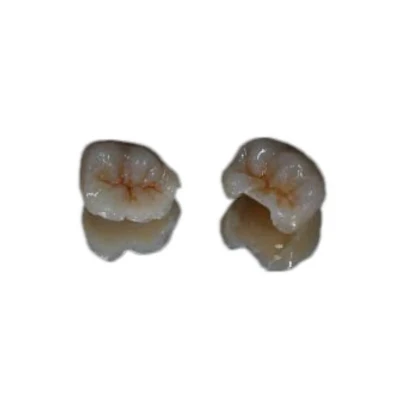
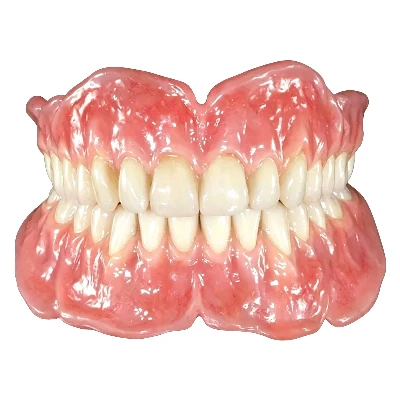
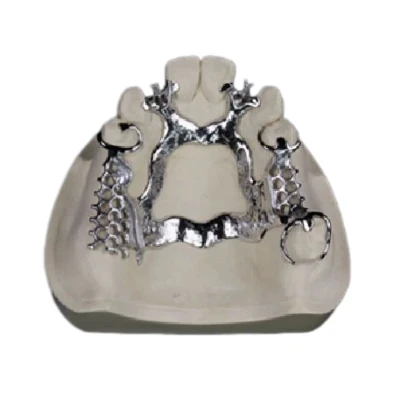
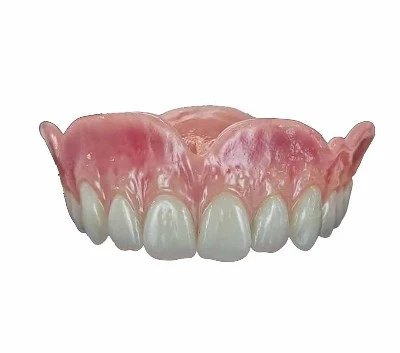


ADS Dental Lab Ltd. is one of the most experienced manufacturers and suppliers of posterior implant crown in China, featured by quality products and low price. Please feel free to wholesale customized posterior implant crown made in China here from our factory. For quotation, contact us now.
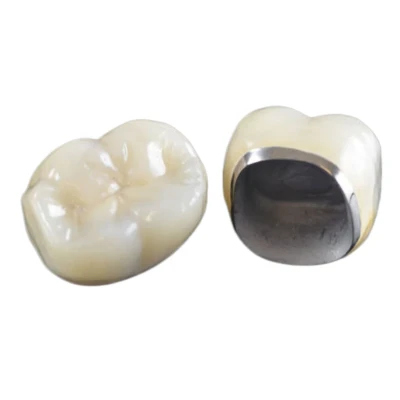
Posterior teeth carry the majority of occlusal load during chewing, which means a posterior implant crown has to do more than restore anatomical shape - it needs precisely designed occlusal contacts, tight interproximal contact with adjacent teeth, and enough material strength to withstand repeated functional stress without chipping, loosening, or accelerating wear on the opposing dentition. Our Posterior Implant Crown is built around these functional requirements, with material selection and occlusal design adjusted to each case's bite force and opposing tooth condition.
ADS Dental Lab is a fully digital dental laboratory based in China, working with overseas dental clinics and laboratories to produce implant restorations for premolar and molar sites. Every posterior case is reviewed for occlusal load and opposing dentition before we finalize the material and design approach, so the crown holds up under real chewing function, not just static fit.
Have a posterior case ready? Send us your scan, bite registration, and opposing arch data, and our technical team will confirm the appropriate design and material for your case.


Product Specifications
| Specification | Details |
| Material | Full-contour monolithic zirconia or layered zirconia, selected per case |
| Occlusal Anatomy | Cusp and fossa anatomy designed to restore natural chewing function |
| Interproximal Contact | Precisely designed contact points with adjacent teeth |
| Indicated Tooth Position | Premolar and molar sites |
| Opposing Dentition Consideration | Design adjusted based on opposing arch condition and bite force |
| Marginal Fit Precision | Digitally milled, verified before shipment |
| Retention Options | Screw-retained or cement-retained, per case requirement |
| Turnaround Time | 4–5 business days from case receipt to completion |

Product Advantages
Functional Occlusal Design
Cusp and fossa anatomy is designed to restore natural chewing function and distribute occlusal contacts evenly, rather than concentrating load on a single high point.
Material Strength for High-Load Sites
For cases with higher bite force or reduced restorative space, full-contour monolithic zirconia provides the strength needed to withstand repeated occlusal stress in the posterior region.
Precise Interproximal Fit
Contact points with adjacent teeth are designed to be tight enough to prevent food impaction, without creating excess pressure that complicates seating.
Clinical Indications
The Posterior Implant Crown is indicated for:
- Single-tooth implant restorations at premolar or molar sites
- Cases with higher occlusal load where material strength is a primary consideration
- Patients with above-average bite force, where a more conservative, strength-focused design approach is appropriate
- Cases where the opposing arch is natural dentition and controlling wear on the opposing teeth is a clinical priority
How We Design for Occlusal Function
Before finalizing the design, our technical team reviews the bite registration and opposing arch data submitted with the case. Occlusal contacts are positioned and adjusted based on this information, aiming to distribute load evenly across the crown and reduce the risk of chipping or excessive wear on the opposing dentition. Material selection - full-contour versus layered zirconia - is also based on this evaluation, balancing strength requirements against available restorative space and esthetic preference for the specific tooth position.
Our Workflow

Step 1 - Case Submission
Send digital scan files, bite registration, opposing arch data, shade photos, and restorative notes.
Step 2 - Case Evaluation
Our team reviews implant position, available restorative space, opposing dentition, and occlusal requirements.
Step 3 - Occlusal Relationship Analysis
Bite records are cross-checked to confirm occlusal contacts and articulation before design proceeds.
Step 4 - Digital Design
The crown is designed with cusp and fossa anatomy, interproximal contacts, and occlusal contacts positioned according to the confirmed bite relationship.
Step 5 - Milling & Fabrication
The crown is milled from the selected zirconia material.
Step 6 - Sintering, Staining & Finishing
The restoration is sintered, shade-characterized, and polished.
Step 7 - Fit & Quality Control
Marginal fit, interproximal contact, occlusion, and surface finish are verified before shipment.
Step 8 - Secure Packaging & Shipping
The finished crown is packaged and shipped via FedEx, UPS, DHL, or Linex.
Why Choose ADS Dental Lab
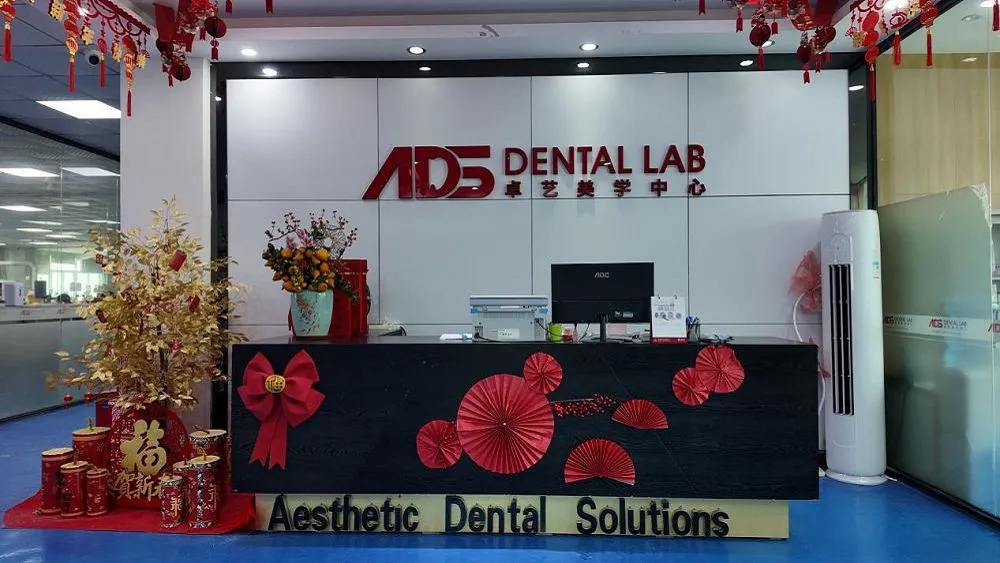
ADS Dental Lab has supported overseas dental clinics and laboratories for over 10 years, with close attention to occlusal design and material selection for posterior implant cases. Every case is reviewed against the submitted bite records and opposing arch data before production, helping ensure the crown performs reliably under real functional load - not just at the fitting appointment.
Have a posterior case with above-average occlusal demands? Send us your bite records and opposing arch scan, and we'll recommend the appropriate design and material.

FAQ
Q1: Is the material durable enough to avoid accelerating wear on the opposing teeth?
Material and occlusal design are selected based on the opposing arch condition submitted with your case, aiming to balance strength with reasonable wear behavior against natural opposing dentition.
Q2: What do you recommend for cases with higher-than-average occlusal load?
We generally recommend full-contour monolithic zirconia for these cases, prioritizing strength, and adjust the occlusal design based on the bite records provided.
Q3: Will occlusal adjustment be needed at delivery, or is it handled in the design?
Occlusal contacts are designed according to your submitted bite records before milling, though minor chairside adjustment at seating is still a normal part of most cases.
Q4: What files do you need to start a posterior case?
We recommend a digital scan, bite registration, and opposing arch data at minimum, along with shade photos if esthetics are also a consideration.
Q5: How long does production take?
Most cases are completed within 4–5 business days of receiving your files.
Q6: What payment methods do you accept?
We accept wire transfer and PayPal.
Looking for a Different Solution?
- Anterior Implant Crown - optimized for shade-matching and natural translucency in the smile zone
- Screw-Retained Zirconia Implant Crown - recommended for multi-unit cases and future retrievability
Hot Tags: posterior implant crown, China posterior implant crown manufacturers, suppliers, factory, expander appliance braces, hawley retainer clear, palate expander for lower jaw, PFM Implant Crown Bridge, PFM Precision Crowns With Partial Dentures, upper and lower expanders


