

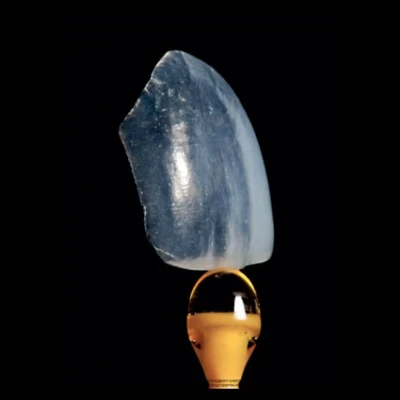
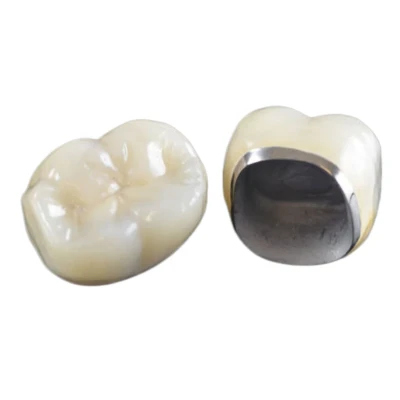
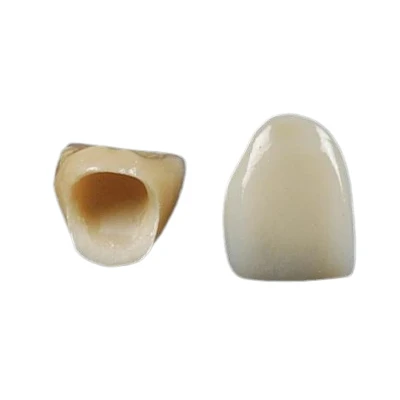
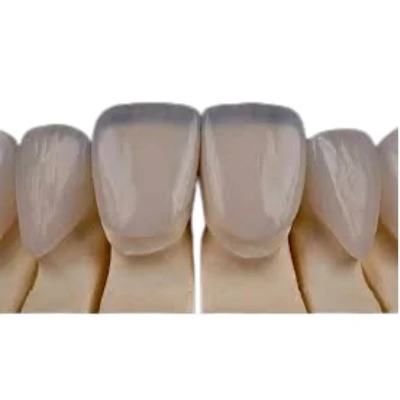
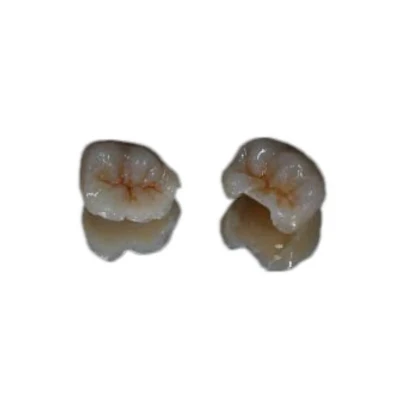
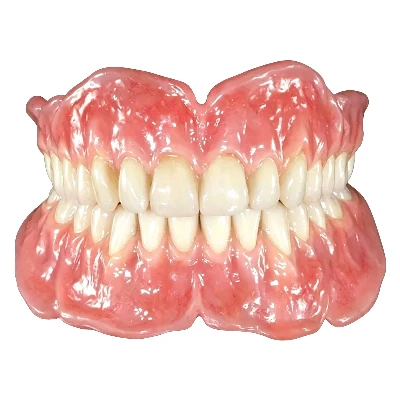
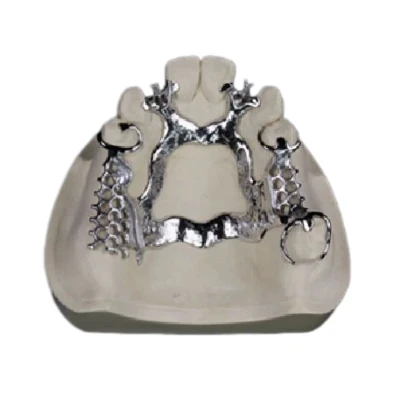
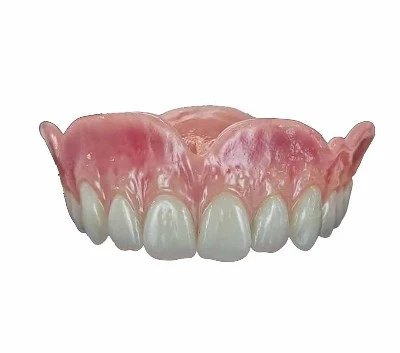



ADS Dental Lab Ltd. is one of the most experienced manufacturers and suppliers of zirconia crowns for bruxism patients in China, featured by quality products and low price. Please feel free to wholesale customized zirconia crowns for bruxism patients made in China here from our factory. For quotation, contact us now.
Zirconia crowns for bruxism patients are designed for cases where dental restorations may be exposed to repeated grinding, clenching, or higher occlusal load. For these cases, crown material selection, full-contour design, occlusal contact, crown thickness, and surface finishing all play an important role in the long-term performance of the restoration.
Zirconia, especially full-contour or monolithic zirconia, is often considered for bruxism-related posterior cases because it provides strong metal-free support and reduces reliance on veneering porcelain. However, zirconia crowns do not treat or stop bruxism. The diagnosis, occlusal management, and possible use of a night guard should always be determined by the treating dentist.
At ADS Dental Lab, we support overseas dentists and dental laboratories with custom zirconia crowns for bruxism and high-load cases. Our team reviews the prescription, occlusal records, opposing dentition, available clearance, and functional requirements before production.
Send your zirconia crown case for a bruxism patient to ADS Dental Lab for material evaluation, occlusal design support, and custom production.


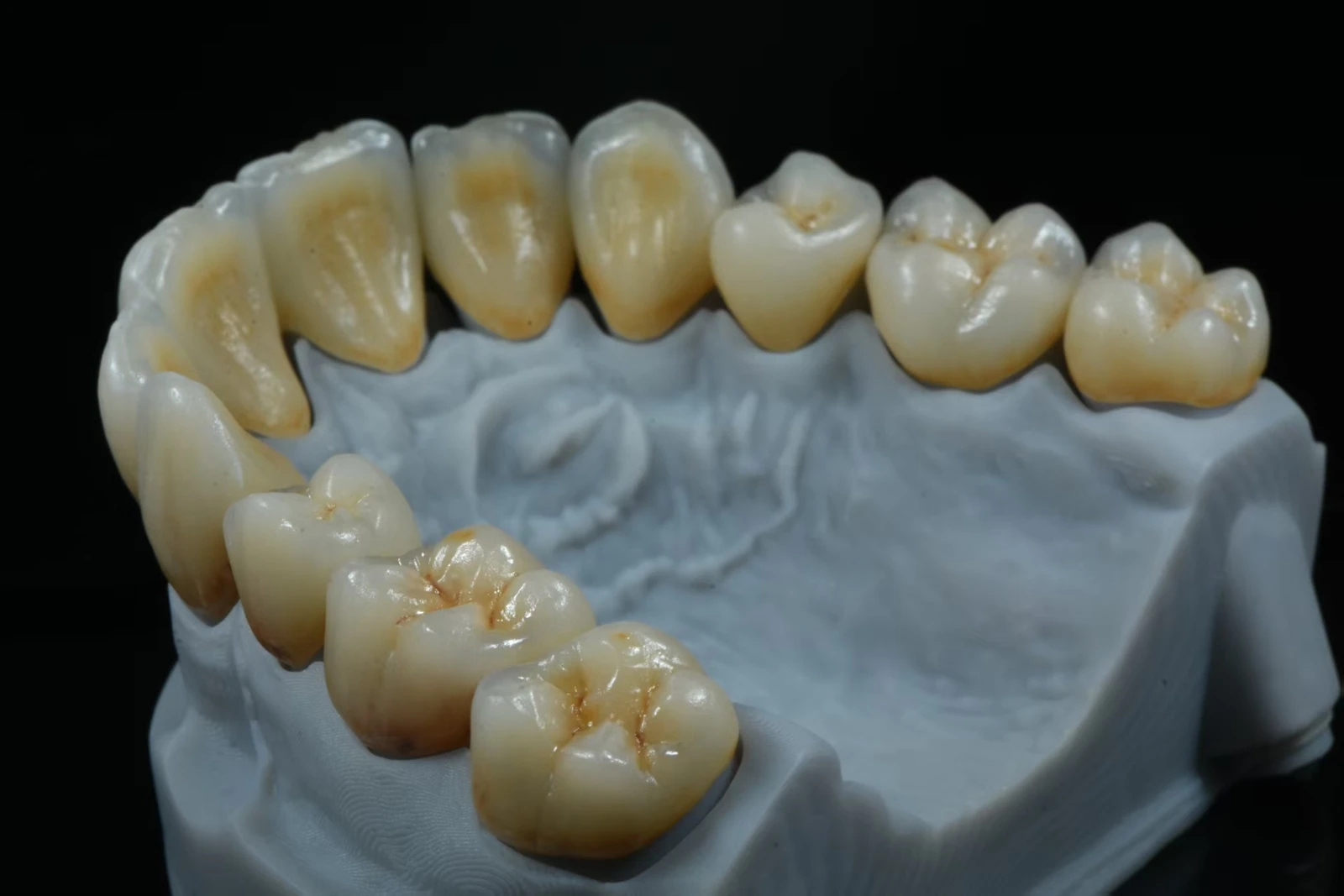

Product Specifications
| Specification | Details |
| Product Type | Zirconia crowns for bruxism patients |
| Material | Case-selected dental zirconia, often high-strength zirconia |
| Common Design | Full-contour or monolithic zirconia design for many high-load cases |
| Applicable Teeth | Molars, premolars, posterior teeth, and selected anterior cases |
| Main Focus | Strength, occlusal stability, surface smoothness, and functional design |
| Finishing Options | Polished, stained and glazed, fissure characterization |
| Recommended Case Data | Bite record, opposing dentition, occlusal notes, parafunction information |
| Case Submission | STL digital files or traditional impressions accepted |
Why Bruxism Cases Need Special Crown Design
Bruxism patients may grind or clench their teeth repeatedly, often with greater and less controlled force than normal chewing. This can place extra stress on crowns, natural teeth, opposing restorations, and the entire occlusal system.
For this reason, a crown for a bruxism patient should not be designed only around strength. The restoration also requires careful attention to:
- Occlusal contact points
- Crown thickness and clearance
- Cusp height and fissure anatomy
- Opposing dentition or opposing material
- Surface polishing after adjustment
- Margin and fit quality
- Dentist's occlusal management plan
A strong material is important, but material alone is not enough. A well-designed zirconia crown for a bruxism patient should combine suitable material selection, functional anatomy, smooth finishing, and careful quality control.
Key Features & ADS Manufacturing Advantages
Case-Based Zirconia Selection
Not every bruxism case requires the same zirconia material. ADS evaluates tooth position, available restorative space, occlusal load, opposing material, crown or bridge design, and the dentist's prescription before recommending a suitable zirconia option.
For many posterior bruxism-related cases, high-strength or monolithic zirconia may be considered. For visible areas, material selection may also need to balance strength, translucency, and masking ability.
Full-Contour Design for Functional Stability
Full-contour zirconia is commonly selected for high-load cases because it reduces dependence on a large veneering porcelain layer. This can be helpful in posterior bruxism cases where functional stability is a key priority.
ADS designs the crown according to the clinical prescription, available occlusal clearance, and tooth position, aiming to create a restoration with appropriate anatomy and support.
Digital Occlusal Design
Our digital design process focuses on crown contour, proximal contacts, cusp-fossa relationship, occlusal contact, crown thickness, and opposing dentition. For bruxism-related cases, careful occlusal design helps reduce unnecessary high spots and stress concentration.
Controlled CAD/CAM Milling and Sintering
After digital design, the crown is milled using CAD/CAM equipment and sintered according to the selected zirconia workflow. This digital process supports consistent production for both single trial cases and regular outsourcing orders.
High-Polish Surface Finishing
Surface finishing is especially important for zirconia crowns in bruxism patients. A rough or poorly polished occlusal surface may affect the opposing dentition. ADS technicians refine the occlusal surface through staining, glazing, and polishing according to the case requirements.
Margin and Occlusion Quality Control
Before delivery, each crown is checked for fit, margin, contact, occlusion, contour, and surface quality. ADS uses digital magnification to support detailed inspection of crown margins and finishing details. Original Amann Girrbach articulators are also used where indicated to assist occlusal verification before shipment.
Clinical Indications
Zirconia crowns for bruxism patients may be suitable for:
- Posterior crowns exposed to high occlusal load
- Molar zirconia crowns
- Premolar zirconia crowns
- Crowns for patients who grind or clench their teeth
- Worn posterior teeth requiring crown coverage
- Cracked or heavily restored posterior teeth
- Endodontically treated posterior teeth with bruxism history
- Metal-free crowns for functional cases
- Selected full-contour zirconia restorations for parafunctional patients
Case Selection Notes
Zirconia crowns can be a useful option for many bruxism-related cases, but severe bruxism, limited occlusal space, unstable bite, insufficient tooth preparation, or unfavorable opposing dentition should be evaluated carefully by the dentist.
ADS Dental Lab provides restoration design and fabrication support. Diagnosis, occlusal therapy, and night guard recommendations should be managed by the treating dentist.
What to Send for the Best Result
For a routine bruxism-related zirconia crown case, please send:
- Prepared arch scan or traditional impression
- Opposing arch scan or model
- Accurate bite record
- Tooth number
- Target shade
- Crown prescription
For complex bruxism or high-load cases, we recommend adding:
- Notes about bruxism or clenching history
- Occlusal adjustment requirements
- Opposing material information
- Available occlusal clearance
- Full arch scan if occlusion is complex
- Photos of worn dentition if available
- Dentist's material or occlusal scheme preference
- Information on whether a night guard is planned
Complete case information helps our team design a crown with better fit, contact, occlusal support, and surface finishing.
Our Cooperation and Manufacturing Workflow

Stage 1 - Case Submission
Clients send STL files or traditional impressions, together with bite records, shade information, opposing arch data, and notes about bruxism or high-load concerns.
Stage 2 - Bruxism Case Review
Our technical team reviews the tooth position, preparation space, occlusal clearance, opposing dentition, wear pattern, crown thickness, and dentist's functional requirements.
Stage 3 - Material and Design Recommendation
Based on the case information, ADS can suggest a suitable zirconia option and crown design. For many posterior bruxism cases, full-contour or monolithic zirconia may be preferred, depending on the dentist's prescription.
Stage 4 - Digital Crown Design
The crown is digitally designed with attention to margin, internal fit, proximal contact, occlusal anatomy, cusp-fossa relationship, and functional contact areas.
Stage 5 - Design Confirmation When Required
For complex occlusal cases, multi-unit restorations, or high-load cases, ADS can provide STL or HTML design previews for confirmation before production.
Stage 6 - Milling, Sintering and Finishing
The crown is milled from the selected zirconia material, sintered, and finished with staining, glazing, anatomical refinement, and polishing.
Stage 7 - Occlusion, Contact and Surface QC
Before shipment, ADS checks fit, margin, proximal contact, occlusal contact, surface smoothness, contour, shade, and overall restoration quality.
Stage 8 - Packaging and Worldwide Shipping
Finished crowns are securely packaged and shipped internationally through FedEx, UPS, DHL, or LINEX.
Why Choose ADS Dental Lab

ADS Dental Lab is a digital dental laboratory in Shenzhen, China, serving overseas dentists and dental laboratories with custom dental restorations. We support both single trial cases and long-term outsourcing cooperation for crown and bridge work.
With more than 400 skilled dental technicians, CAD/CAM production capability, 40+ customer service representatives, and 363-day online support, ADS helps clients manage zirconia crown cases from submission to delivery.
For bruxism-related zirconia crowns, our team focuses on high-load case evaluation, case-based zirconia material selection, full-contour design support, digital occlusal design, surface polishing, margin inspection, and reliable international shipping.
Send your zirconia crown case for a bruxism patient to ADS Dental Lab and evaluate our material selection, occlusal design, surface finishing, and communication from your first trial case.

FAQ
Q1: Are zirconia crowns suitable for bruxism patients?
Zirconia crowns can be a suitable option for many bruxism-related cases, especially posterior high-load cases. However, the dentist should evaluate the patient's bite, parafunction, tooth preparation, and overall clinical condition.
Q2: Which zirconia crown design is often used for bruxism cases?
For many posterior bruxism cases, full-contour or monolithic zirconia is commonly considered because it reduces reliance on a large veneering porcelain layer. Final selection depends on the case and dentist's prescription.
Q3: Can zirconia crowns stop bruxism?
No. Zirconia crowns are restorations; they do not treat or stop bruxism. Diagnosis, occlusal therapy, and night guard recommendations should be managed by the treating dentist.
Q4: Why is polishing important for zirconia crowns in bruxism patients?
A smooth polished surface is important because bruxism patients may generate repeated contact against opposing teeth or restorations. Proper finishing helps reduce roughness after adjustment.
Q5: What information should I send for a bruxism case?
Please send STL files or impressions, opposing arch data, bite record, tooth number, shade, prescription, bruxism notes, opposing material information, and any special occlusal requirements.
Q6: Can ADS help recommend the zirconia material?
Yes. ADS can review the case information and suggest a suitable zirconia option based on tooth position, clearance, occlusal load, opposing material, and aesthetic needs.
Q7: Do you accept STL files and traditional impressions?
Yes. ADS accepts STL digital files and traditional impressions shipped through international couriers.
Q8: Can I start with one trial case?
Yes. You can begin with one zirconia crown case to evaluate our fit, occlusal design, surface finishing, communication, and delivery process.
Hot Tags: zirconia crowns for bruxism patients, China zirconia crowns for bruxism patients manufacturers, suppliers, factory, mandibular arch expansion, palatal expander in adults, palate expander for adults, palate expander for lower jaw, PFM Precision Crowns With Partial Dentures, retainer to widen jaw


