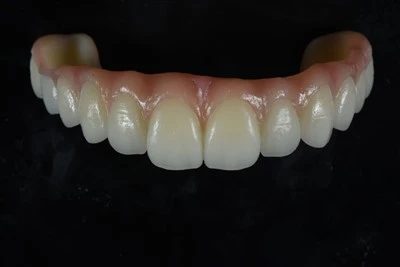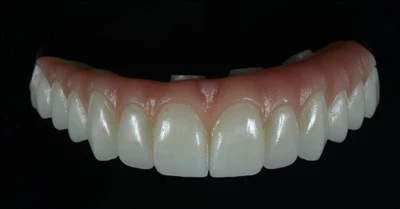

Dental veneers remain one of the most reliable ways to fix visible tooth imperfections without major reconstruction. As a team that fabricates thousands of these restorations every year in our digital lab, we see the same patterns repeat: doctors want predictable outcomes, patients want natural results that last, and labs need to deliver precision under tight timelines.
This guide breaks down the main types we produce, how they differ in practice, and what actually drives the choice in real cases.

What Are Dental Veneers?
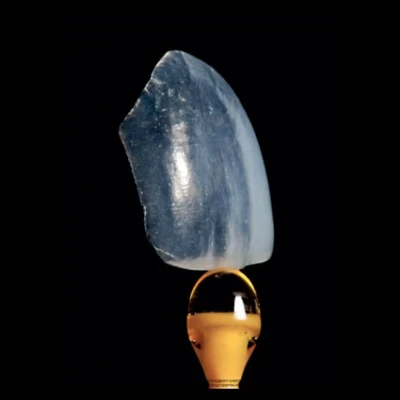
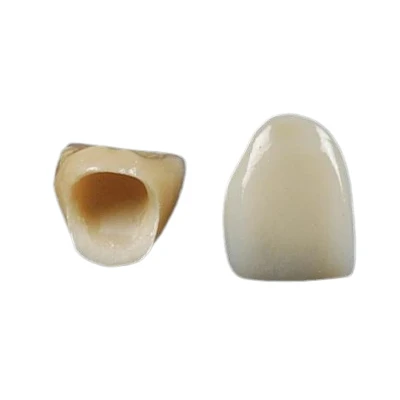
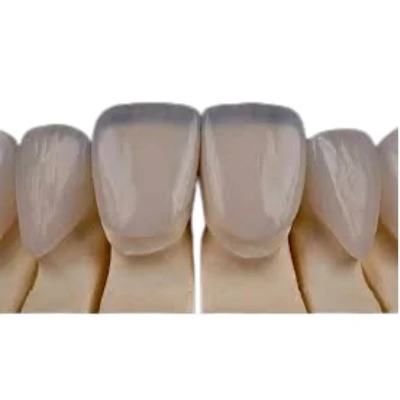
Veneers are thin custom shells bonded to the front (facial) surface of teeth. Thickness usually falls between 0.3 mm and 0.7 mm, depending on the material and prep level. They address color issues that whitening can't touch, close small gaps, mask chips or cracks, reshape uneven lengths, or correct minor alignment problems where orthodontics isn't practical.
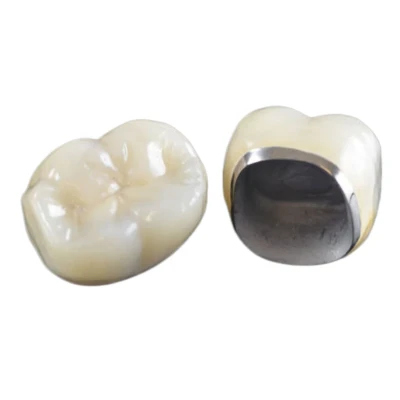
They don't replace crowns for structural damage or implants for missing teeth. Bonding is quicker and cheaper for tiny fixes, but veneers deliver better long-term esthetics and durability when the goal is a cohesive smile change.
Most cases involve 6–10 units for the visible anterior zone. The final appearance depends heavily on the lab's layering technique, material translucency, and how well the prep margins are managed.
Main Types of Dental Veneers
We group them by material and fabrication method because those drive the clinical behavior.
Porcelain Veneers (Feldspathic / Layered Porcelain)
Lab-fabricated from high-quality feldspathic ceramic. Built in layers for graded translucency and incisal effects.
- Requires moderate enamel reduction (typically 0.3–0.5 mm).
- Excellent light transmission and stain resistance.
- Handles complex shading and characterization well.
- Downside: irreversible prep; higher lab involvement means longer turnaround if not digitized.
- Best for patients who want the most natural blend over 10+ years.
Composite Resin Veneers
Direct application: resin layered and cured chairside, no lab step.
- Minimal or no prep in many cases.
- Single-visit convenience.
- Easy chairside repairs if chipped.
- Wears faster, picks up surface stains more readily, and looks less lifelike under different lighting.
- Common for budget-driven cases or minor corrections where the patient accepts periodic maintenance.
No-Prep / Minimal-Prep / Ultra-Thin Veneers (e.g., Lumineers-style)
Ultra-thin porcelain shells (often 0.2–0.3 mm). Bonded with little or no enamel removal.
- Preserves natural tooth structure completely or almost completely.
- Reversible in theory (removal leaves original tooth intact).
- Works well for minor color or shape adjustments.
- Limited masking power for heavy discoloration or severe irregularities.
- Popular when patients refuse any grinding or when enamel is already thin.
Advanced Ceramic Veneers (e.g., e.max / Lithium Disilicate)
Pressed or milled from lithium disilicate blocks.
- Balances strength and esthetics better than traditional feldspathic.
- High fracture resistance while maintaining good translucency.
- Minimal to moderate prep.
- Premium choice for anterior cases needing both durability and lifelike appearance.
- We see this material dominate high-end anterior work.
Zirconia Veneers
Milled from monolithic or layered zirconia.
- Highest flexural strength-ideal for bruxers or heavy occlusal loads.
- Opaque core can mask dark preps effectively.
- Less translucent than e.max or feldspathic, so characterization is trickier.
- Moderate prep required.
- Reserved for functional demands where esthetics take second place to longevity.
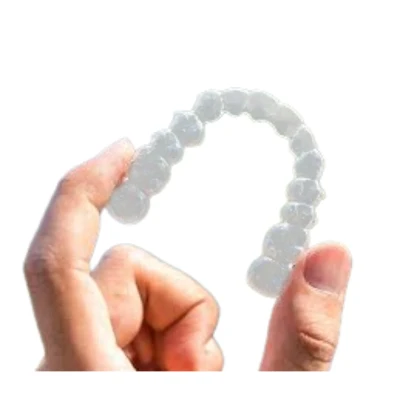
Removable / Snap-On Veneers
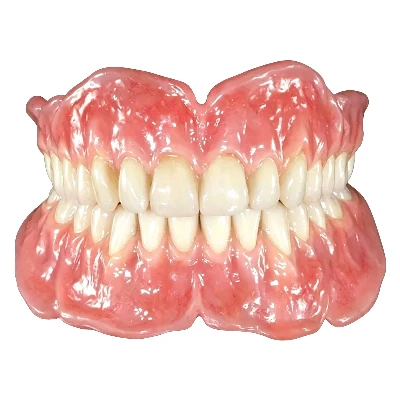
Temporary acrylic or flexible polymer shells that clip over existing teeth. No bonding, no prep.
- Instant cosmetic change for events or trials.
- Fully reversible and inexpensive.
- Not a permanent solution-poor fit over time, limited esthetics, and hygiene challenges.
- Mainly a bridge option while permanent work is planned.
Here's a quick side-by-side for the specs we reference most often (US market averages, 2026 data):
|
Type |
Enamel Prep |
Typical Lifespan |
Esthetics / Translucency |
Stain Resistance |
Cost per Tooth (US avg) |
Primary Use Case |
|
Porcelain (Feldspathic) |
Moderate (0.3–0.5 mm) |
10–20+ years |
High natural |
Excellent |
$900–$2,500 |
Long-term natural anterior makeover |
|
Composite |
Minimal / None |
5–7 years |
Moderate |
Prone |
$250–$1,500 |
Budget, quick, minor fixes |
|
No-Prep / Ultra-Thin |
Minimal / None |
10–15+ years |
High |
Excellent |
$800–$2,500 |
Enamel preservation, light changes |
|
e.max (Lithium Disilicate) |
Moderate |
10–20+ years |
Excellent lifelike |
Excellent |
$1,000–$2,500+ |
Premium anterior strength + beauty |
|
Zirconia |
Moderate |
15+ years |
Strong, lower translucency |
Excellent |
$1,200–$2,800+ |
Bruxism, heavy bite, dark preps |
|
Removable / Snap-On |
None |
Temporary |
Moderate |
Variable |
$300–$1,000 (set) |
Trial or short-term cosmetic |

How to Choose the Right Type of Veneers
Start with the clinical reality, not the brochure.
- Heavy tetracycline staining or deep discoloration → porcelain or e.max for opacity control.
- Young patient with good enamel and minor shape complaints → no-prep to avoid unnecessary grinding.
- Tight budget and small area → composite, but plan for replacement sooner.
- History of grinding or clenching → zirconia to avoid fractures.
- Want to "test drive" the look → removable snap-on first.
Occlusion matters more than people admit. Edge-to-edge bites or parafunction push toward stronger materials. Budget is real-porcelain costs 2–3× composite upfront but often cheaper per year over a decade. Always factor in the lab quality; poor marginal fit or inaccurate shade matching ruins even the best material.
The Veneers Procedure Step by Step
- Consultation and planning: Clinical exam, photos, digital scan or impressions, smile design discussion. Many offices now use software to show mock-ups.
- Preparation: Enamel reduction if needed (minimal for no-prep). Local anesthesia usually optional for ultra-thin cases.
- Impressions / Scanning: Digital intraoral scan preferred-faster, more accurate. Traditional silicone still works.
- Temporaries: Chairside or lab-made provisionals protect prepped teeth and guide final esthetics.
- Lab fabrication: We mill or press based on material, layer for characterization, then finish.
- Try-in and bonding: Check fit, shade, occlusion. Adjust as needed, then etch, silane, bond, light-cure, polish.
Digital workflows cut turnaround to 5–10 days and reduce remakes. Traditional analog still delivers when executed well.
How Long Do Veneers Last?
Real-world numbers from cases we track:
- Porcelain (feldspathic) and e.max: 10–20+ years common with good hygiene and no heavy bruxism.
- No-prep / ultra-thin: 10–15+ years when bonding is solid.
- Zirconia: 15+ years, especially under load.
- Composite: 5–7 years before visible wear or stain prompts polish or redo.
- Removable: Months to a few years max as a cosmetic overlay.
Longevity drops with poor oral care, acidic diet, nail biting, or untreated grinding. Night guards extend life significantly for bruxers. Annual recalls catch debonding or margin issues early.
Conclusion: Which Veneer Type Is Best for You?
Porcelain or e.max handles most anterior esthetic demands with the longest track record. Composite works when speed and cost trump longevity. No-prep fits conservative patients. Zirconia steps in for function. Removable serves as a temporary tool.
The difference maker is rarely the material alone-it's the combination of accurate prep, precise digital design, and high-quality lab fabrication. That's where consistent results come from.
ADS Dental Laboratory Ltd is China's largest veneer factory, with a dedicated team specializing in veneers. We use a fully digital CAD/CAM workflow and can produce many types of veneers, such as feldspathic veneers, Emax veneers, zirconia veneers, and composite veneers. With highly competitive pricing, fast delivery times, and strict quality control, we help clinics reduce costs while obtaining reliable treatment results.
If you are looking for a suitable lab partner for your next veneer case, feel free to contact us for a free quote or digital design proposal. You can reach us via WhatsApp, email, or the website form-we are happy to discuss the details with you.
FAQ
What are the main differences between porcelain and composite veneers?
Porcelain is lab-made, more translucent, stain-resistant, and lasts longer (10–20+ years). Composite is chairside, cheaper, quicker, but wears and stains faster (5–7 years).
Are veneers permanent? Can they be removed?
Traditional prepped veneers are considered permanent because enamel removal is irreversible, but they can be removed and replaced. No-prep types are more reversible.
How much do veneers cost on average?
In the US, porcelain averages around $1,765 per tooth (range $900–$2,500), composite $250–$1,500. Full anterior sets (6–8 teeth) often run $5,000–$20,000+ depending on material and location.
Do veneers damage your natural teeth?
Prepped types require enamel removal, which is permanent. No-prep options avoid this. Proper bonding and maintenance protect the underlying tooth.
How painful is getting veneers?
Minimal discomfort for most. No-prep usually needs no anesthesia. Traditional prep may require local for sensitivity.
Can veneers fix crooked teeth?
They mask minor misalignment. Moderate to severe crowding needs orthodontics first.
How do I care for my veneers?
Brush and floss normally, avoid extremely hard foods, wear a night guard if you grind, and see your dentist regularly.
Are veneers covered by insurance?
Rarely-almost always considered cosmetic unless there's a medical need (e.g., severe erosion repair).
What's the difference between veneers and Lumineers?
Lumineers is a branded ultra-thin no-prep porcelain veneer. "No-prep" or "minimal-prep" covers similar concepts from other makers.
How soon can I eat after getting veneers?
Immediately after bonding, but stick to soft foods for 24 hours to let cement fully set.
Feel free to contact us if you have a case in mind-we're here to help make it work.