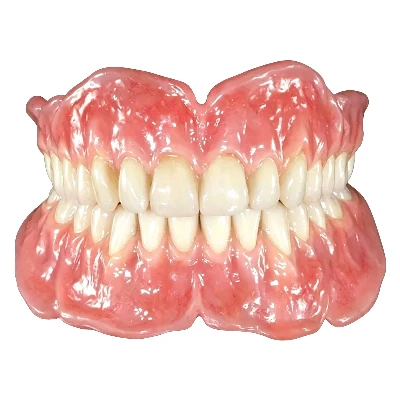
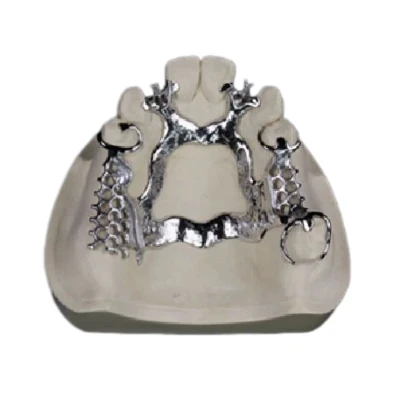
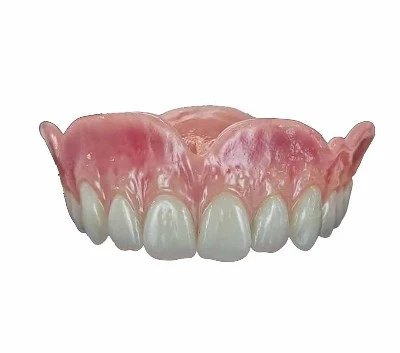
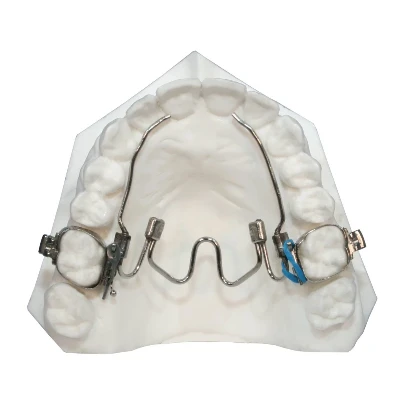



Orthodontic treatment is a journey that doesn't end with the removal of braces or aligners. After achieving the desired smile, patients need to maintain the results, and this is where orthodontic retainers come into play. But what happens when a patient with dental fillings or crowns needs to wear a retainer? As a trusted supplier of orthodontic retainers, I am here to delve into the interaction between orthodontic retainers and dental fillings or crowns.
Understanding Orthodontic Retainers
Orthodontic retainers are custom-made devices designed to hold teeth in their new, corrected positions after orthodontic treatment. There are several types of retainers available, each with its own unique design and function.
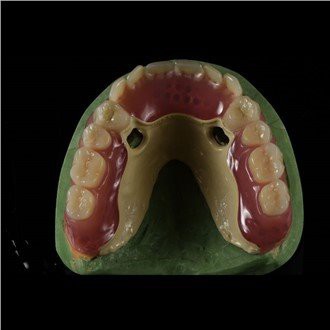
The Hawley Removable Retainer is one of the most traditional and well-known types. It consists of a plastic base that rests against the roof of the mouth or the floor of the mouth and is held in place by metal wires that wrap around the teeth. The Hawley retainer is adjustable, allowing for minor tooth movements if necessary, and is a popular choice due to its durability and relatively low cost.
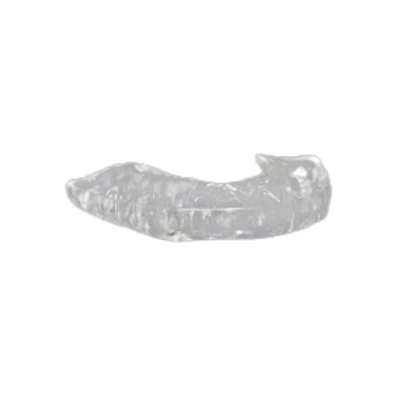
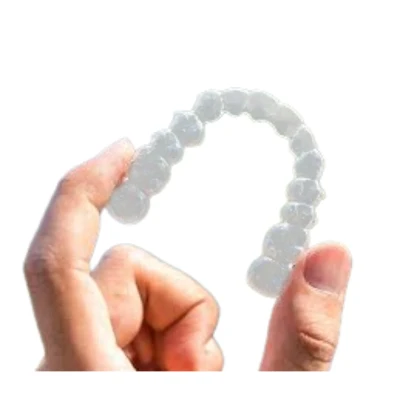
Clear Aligners Retainers are another option. These are made of a transparent, plastic material that fits snugly over the teeth. They are virtually invisible, making them a popular choice for patients who prefer a more discreet option. Clear aligner retainers are also removable, allowing for easy cleaning and eating.
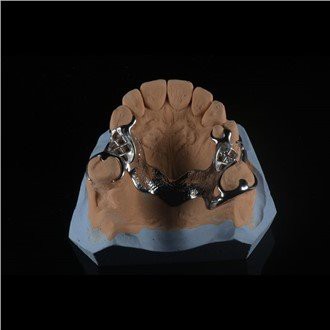
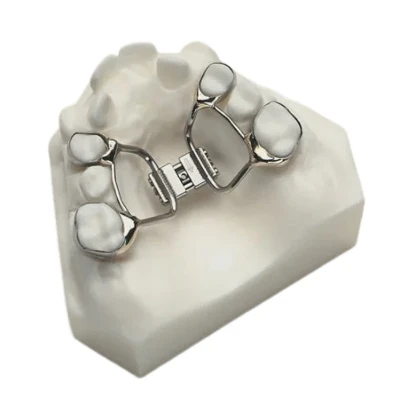
Teeth Space Retainers are used to maintain the space between teeth when a tooth is missing or has been extracted. They are typically made of metal or plastic and are custom-fitted to the patient's mouth.
Dental Fillings and Crowns: An Overview
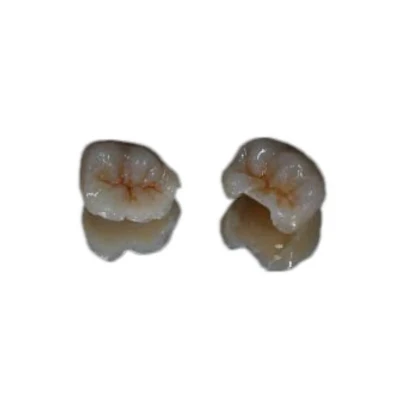
Dental fillings are used to repair teeth that have been damaged by decay or cavities. The dentist removes the decayed portion of the tooth and fills the cavity with a filling material, such as composite resin, amalgam, or porcelain. The filling restores the tooth's shape, function, and appearance.


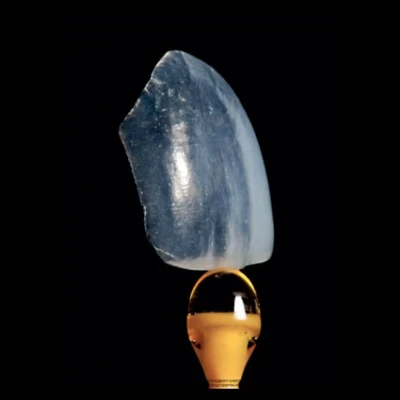
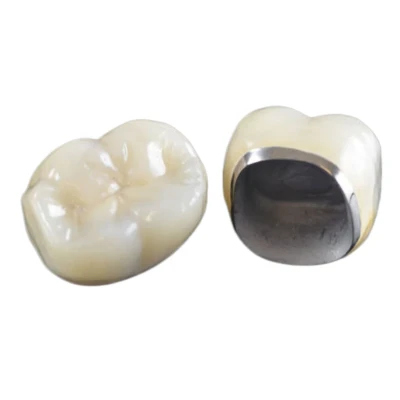
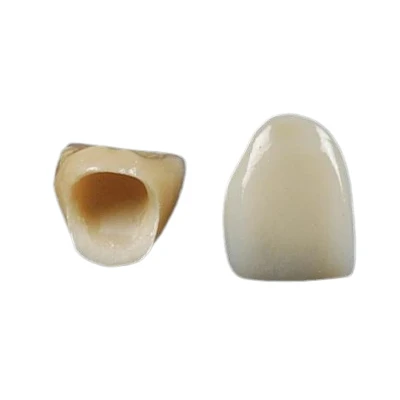
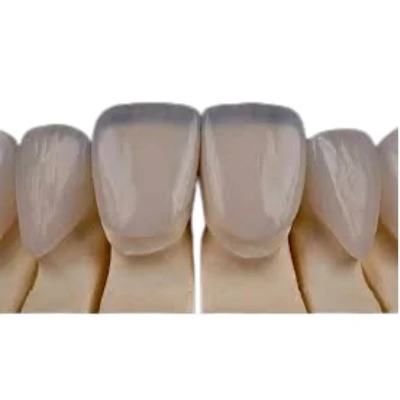
Dental crowns, on the other hand, are used to cover and protect a damaged or weakened tooth. The dentist prepares the tooth by removing a small amount of enamel and then places a custom-made crown over the tooth. Crowns can be made of various materials, including ceramic, porcelain-fused-to-metal, or all-metal.
Interactions between Retainers and Dental Fillings
In most cases, wearing an orthodontic retainer should not cause any problems with dental fillings. However, there are a few factors to consider.
First, the material of the filling can play a role. Composite resin fillings are more flexible than amalgam fillings, which means they may be less likely to be damaged by the pressure of the retainer. However, composite resin fillings are also more prone to wear and staining. Amalgam fillings are more durable but may be more susceptible to damage if the retainer puts too much pressure on the tooth.
Second, the fit of the retainer is crucial. If the retainer is too tight, it can put excessive pressure on the teeth and fillings, which may cause the filling to crack or come loose. On the other hand, if the retainer is too loose, it may not be effective in holding the teeth in place. Therefore, it is important for the orthodontist to ensure that the retainer fits properly and does not cause any discomfort or damage to the teeth or fillings.
Finally, the patient's oral hygiene habits are also important. Good oral hygiene, including brushing and flossing regularly, can help prevent the buildup of plaque and bacteria around the fillings and retainer. This can reduce the risk of decay and other dental problems.
Interactions between Retainers and Dental Crowns
Similar to dental fillings, wearing an orthodontic retainer should not cause any significant problems with dental crowns. However, there are some considerations to keep in mind.
The material of the crown can affect its interaction with the retainer. Ceramic and porcelain crowns are more brittle than metal crowns and may be more prone to damage if the retainer puts too much pressure on the tooth. Therefore, it is important to ensure that the retainer fits properly and does not cause any excessive force on the crown.
The fit of the retainer is also crucial when it comes to dental crowns. If the retainer does not fit properly, it may rub against the crown, causing irritation or damage to the crown or the surrounding gum tissue. In some cases, the orthodontist may need to make adjustments to the retainer to ensure a proper fit.
In addition, patients with dental crowns should be careful when removing and inserting the retainer to avoid accidentally dislodging the crown. It is recommended to follow the orthodontist's instructions on how to handle the retainer and to be gentle when removing and inserting it.
Tips for Patients with Dental Fillings or Crowns Wearing Retainers
If you have dental fillings or crowns and are wearing an orthodontic retainer, here are some tips to ensure a smooth and successful experience:
- Follow the orthodontist's instructions: Your orthodontist will provide you with specific instructions on how to wear and care for your retainer. Make sure to follow these instructions carefully to avoid any problems.
- Maintain good oral hygiene: Brush your teeth at least twice a day and floss daily to keep your teeth and retainer clean. Use a soft-bristled toothbrush and a non-abrasive toothpaste to avoid damaging the fillings, crowns, or retainer.
- Be gentle when handling the retainer: When removing and inserting the retainer, be gentle to avoid putting too much pressure on the teeth or fillings. If you have any difficulty removing or inserting the retainer, contact your orthodontist for assistance.
- Check the fit of the retainer regularly: Over time, the fit of the retainer may change due to normal tooth movement or changes in the shape of the mouth. Check the fit of the retainer regularly and contact your orthodontist if you notice any problems or if the retainer no longer fits properly.
- Report any discomfort or pain: If you experience any discomfort, pain, or other problems while wearing the retainer, contact your orthodontist immediately. This could be a sign of a problem with the retainer, the fillings, or the crowns.
Conclusion
Orthodontic retainers are an important part of maintaining the results of orthodontic treatment. While they generally do not cause any problems with dental fillings or crowns, it is important to consider the material of the fillings or crowns, the fit of the retainer, and the patient's oral hygiene habits. By following the orthodontist's instructions and maintaining good oral hygiene, patients with dental fillings or crowns can wear their retainers safely and effectively.
If you are in the market for high-quality orthodontic retainers, we are here to help. Our wide range of retainers, including Hawley Removable Retainers, Clear Aligners Retainers, and Teeth Space Retainers, are designed to meet the needs of patients with different orthodontic requirements. We are committed to providing our customers with top-notch products and excellent customer service. Contact us to discuss your needs and start your journey towards a beautiful, healthy smile today.
References
- American Association of Orthodontists. (n.d.). Retainers After Braces. Retrieved from [Website URL]
- British Orthodontic Society. (n.d.). Retainers. Retrieved from [Website URL]
- Journal of Clinical Orthodontics. (Various issues). Articles on orthodontic retainers and dental restorations.