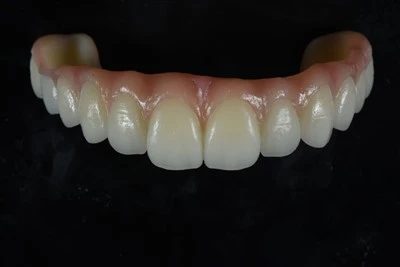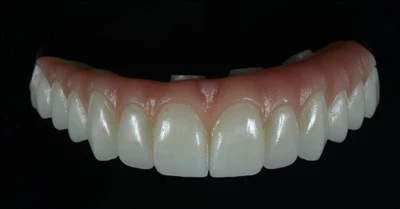
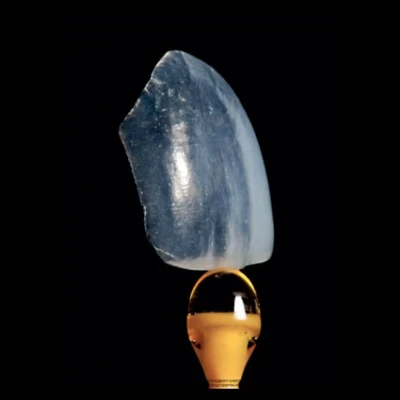
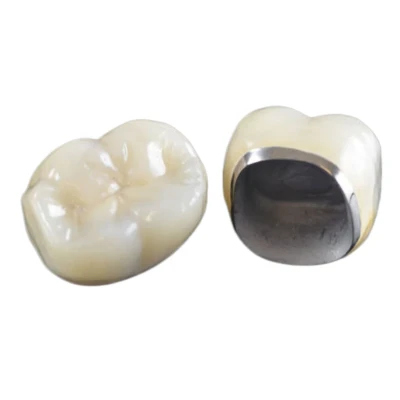
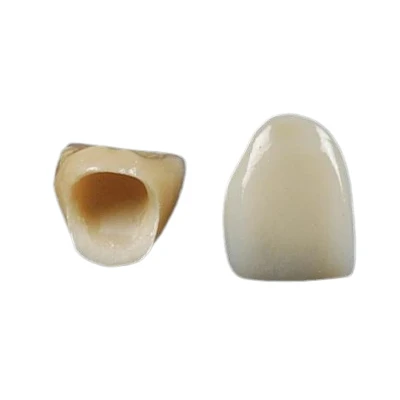
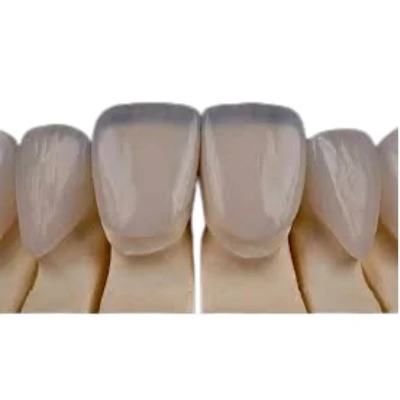
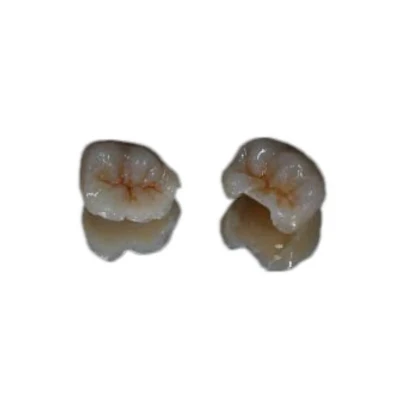
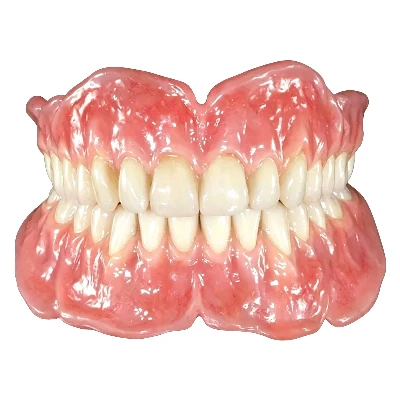
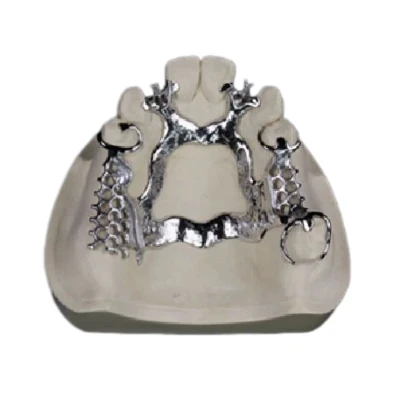
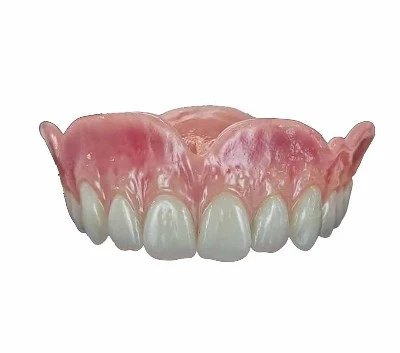
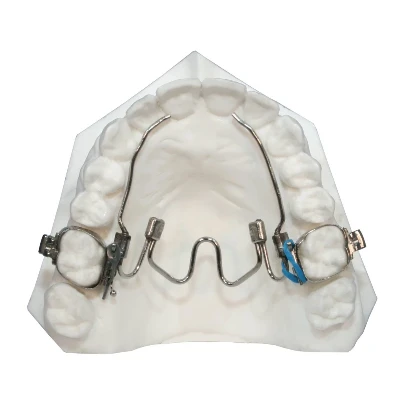

A digital dental laboratory differs from a traditional lab mainly in its workflow. Instead of relying on physical impressions, stone models, manual wax-ups, and casting processes, a digital lab uses intraoral scans, CAD design, automated milling, and 3D printing to produce restorations with greater consistency and efficiency.
This change affects every step from case submission to final delivery. Digital workflows can improve accuracy, shorten turnaround time, reduce remakes, and make the impression process more comfortable for patients. Traditional laboratories still have value in certain highly customized or complex esthetic cases, but digital labs are becoming the preferred choice for many crowns, bridges, veneers, dentures, and implant restorations. This article compares the two models and explains what the differences mean for dentists, labs, and patients.

How Traditional Dental Laboratories Operate
Traditional labs still follow the same basic sequence that has been in use for decades. The dentist takes a physical impression with alginate or polyvinyl siloxane, boxes it, and ships the tray to the lab. Once it arrives, technicians pour stone into the impression to create a working model. Then comes the most time-consuming part: hand-waxing the restoration shape, investing the wax pattern, burning it out, and casting or pressing the final material. After that, the piece goes through multiple rounds of manual finishing, polishing, and shade matching before it ships back.
Each step introduces small opportunities for distortion-impression material can shrink, stone can expand, wax can warp. A single case can easily spend 7–14 days in transit and production. The process relies heavily on the skill of individual technicians, many of whom are retiring faster than new ones are entering the field. That's why turnaround times have become harder to predict and why remake rates in traditional workflows often sit between 8–12 %.
The strength of this method is the flexibility of experienced hands. A skilled ceramist can adjust a margin or build a subtle characterization that software still struggles to replicate perfectly. But the workflow itself is inherently slow and sensitive to every variable along the chain.
What Is a Digital Dental Laboratory?
A digital dental laboratory starts with an intraoral scan instead of a tray. The file is uploaded through a secure cloud portal the same day the patient leaves the chair. Technicians open the scan in CAD software, design the restoration virtually, and send the file straight to a milling machine or 3D printer. The finished piece is then stained, glazed, and shipped-often within 3–5 business days.
The entire process eliminates the physical model, the wax-up, and the casting ring. What used to be five or six manual hand-offs becomes a controlled digital thread. Materials are still the same high-quality ceramics, zirconia, or lithium disilicate, but they are now machined or printed with tolerances measured in microns rather than millimeters.
Key Differences Between Digital and Traditional Dental Labs
The real difference shows up when you line the two workflows side by side.
Workflow and Process Comparison
|
Step |
Traditional Lab |
Digital Lab |
|
Impression |
Physical tray + material, mailed |
Intraoral scan, uploaded instantly |
|
Model creation |
Stone pour |
Virtual model in CAD software |
|
Design |
Hand wax-up |
Digital design with CAD tools |
|
Fabrication |
Casting or pressing |
Milling or 3D printing |
|
Finishing & shipping |
Manual polish + ground shipping |
Automated finish + expedited shipping |
The digital route removes the physical shipping loops and the variables that come with them. That alone cuts days off the schedule.
Technology and Tools Used
Traditional labs depend on hand instruments, articulators, and investment ovens. Digital labs use intraoral scanners, CAD workstations, five-axis mills, and resin or ceramic 3D printers. The tools themselves are not inherently "better"-they simply remove the steps where human error compounds.
Accuracy, Precision and Fit Quality
Digital files capture detail at 10–20 microns. Traditional stone models can shift by 50–100 microns before the restoration is even designed. The result is fewer chairside adjustments and lower remake rates. In my experience, clinics that move to digital see their remake percentage drop by roughly half within the first year.
Turnaround Time and Efficiency
Digital labs routinely deliver single crowns in 3–5 days and bridges in 5–7 days. Traditional workflows still average 10–14 days once shipping is factored in. That speed matters when a patient needs to be temporized for as little time as possible or when a practice wants to reduce inventory of provisional materials.

Major Advantages of Choosing a Digital Dental Laboratory
The clearest gains appear in three areas that directly affect your daily schedule.
First, precision reduces surprises. Margins seat more predictably, contacts are tighter, and occlusion needs less tweaking at delivery. Second, the elimination of messy impression material improves patient comfort dramatically-especially for those with strong gag reflexes. Third, the faster cycle lets you schedule fewer provisional appointments and move patients toward final restorations more quickly.
Resource use also drops. There is no wasted stone, fewer discarded impression trays, and less overnight shipping of bulky models. The workflow consistency means your team spends less time chasing down cases and more time treating patients.
Potential Drawbacks and Traditional Labs' Remaining Strengths
Digital is not perfect for every situation. Some highly characterized anterior cases still benefit from a ceramist's artistic eye and the tactile feedback of hand layering. Equipment and software require upfront investment and ongoing training. When a scanner or mill goes down, the lab cannot simply pick up a wax spatula and keep going.
Traditional labs still offer unmatched material versatility in certain niche applications and the proven reliability of decades-old techniques. Many experienced technicians can solve complex esthetic problems that current software flags as "out of parameters." The two approaches are not mutually exclusive-smart practices keep both options open depending on the case.
Real Benefits for Dentists, Dental Labs, and Patients
Dentists gain predictable seating appointments and fewer after-hours adjustments. Labs that adopt digital see higher throughput and lower labor costs per unit. Patients notice the difference immediately: no gagging on heavy impression material, shorter time in temporaries, and restorations that feel like they belong in their mouth from day one.
The combined effect is higher case acceptance and stronger patient trust. When a restoration fits better and arrives sooner, patients are more likely to refer friends and return for additional treatment.
Why Partner with ADS Digital Dental Laboratory
When the clinical requirements push the limits of standard production-especially for high-aesthetic anterior work-this kind of precision and customization challenge can be solved by partnering with a specialized digital lab that has already industrialized the workflow. For example, labs like ADS maintain a dedicated team focused solely on veneers. They routinely produce Feldspathic veneer, Emax veneer, Zirconia veneer, and Composite veneer cases with the same digital accuracy and material consistency that the rest of the lab applies to crowns and bridges. The result is a reliable overseas outsourcing option that delivers both speed and the individualized esthetics your patients expect, without forcing you to carry the full overhead of in-house digital infrastructure.

Conclusion
Digital dental laboratories are different from traditional labs because they replace many physical, manual steps with intraoral scans, CAD design, milling, and 3D printing. This does not eliminate dental craftsmanship; it shifts the focus toward digital design, material selection, finishing, and quality control while reducing the repetitive steps that often lead to distortion, delays, and remakes.
For dentists and clinics, the choice is no longer simply between digital and traditional workflows. The more important question is whether a lab can deliver accurate fit, stable quality, predictable turnaround, and responsive support for each specific case.
At ADS Dental Laboratory, we combine digital production systems with experienced technicians to support crowns, bridges, veneers, dentures, and implant restorations. Send us your scan files or case details, and our team can help you evaluate the right workflow and provide a clear production quote. Email: Info@chinaadsdentallab.com

FAQ
Is a digital dental laboratory more accurate than a traditional lab?
Yes. Digital workflows routinely achieve marginal gaps under 50 microns, while traditional stone models and hand wax-ups average 80–120 microns before any adjustments. Fewer adjustments at delivery is the practical outcome most dentists notice first.
How much faster is the turnaround time with a digital lab?
Typical single-unit restorations leave a digital lab in 3–5 business days after scan upload. Traditional labs average 10–14 days once shipping and manual steps are included. The difference grows larger for multi-unit or esthetic cases.
Does digital scanning improve patient comfort?
It removes the single biggest complaint in restorative dentistry: the taste, bulk, and gag reflex triggered by heavy impression material. Most patients describe the scan as "a quick camera pass" rather than an ordeal.
Can digital labs handle complex restorations like bridges and dentures?
Absolutely. Modern CAD software and multi-material 3D printing have made long-span bridges and full-arch dentures routine. The digital file also makes it easier to duplicate or modify a case later without starting from scratch.
What are the main limitations of switching to a digital laboratory?
Initial scanner cost, staff training time, and the learning curve for new design software. Most practices recover the investment within 12–18 months through reduced remake rates and faster patient throughput, but the transition still requires commitment.
How do I know if a digital lab can match the esthetics I get from my current traditional ceramist?
Send a test case with your preferred shade photos and characterization requests. A capable digital lab will return a restoration that matches the digital mock-up you approved and still allows for minor chairside characterization if needed. The best labs treat the digital file as the starting point, not the final word.