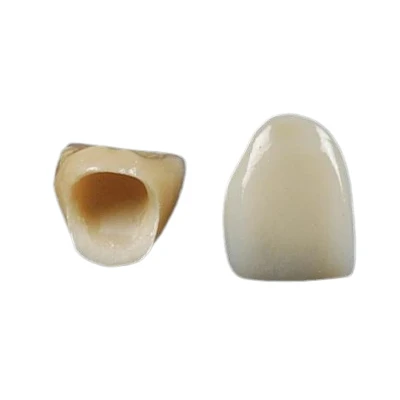
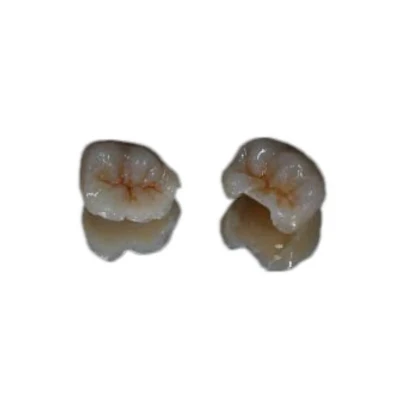
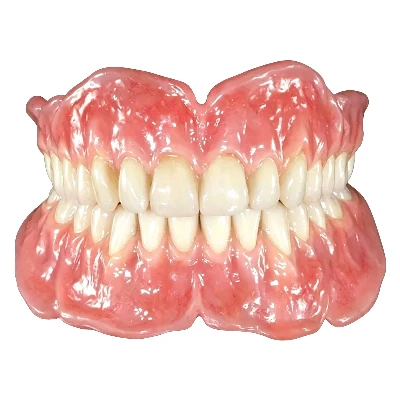

When choosing between a PFM crown (Porcelain-Fused-to-Metal) and a zirconia crown, dental professionals must consider multiple factors, including strength, aesthetics, biocompatibility, cost, and clinical indications.
Both options are widely used in restorative dentistry, but they serve different clinical and economic needs. As a China-based digital dental laboratory specializing in long-term outsourcing for overseas dentists and dental labs, we provide a clear, practical comparison to help you select the most suitable solution for your cases.

What Is a PFM Crown?
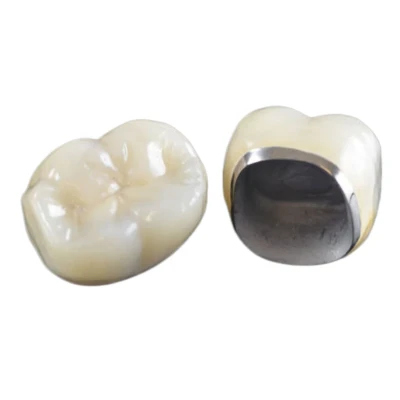
A PFM crown consists of a metal substructure (such as cobalt-chromium, nickel-chromium, or noble alloys) veneered with a layer of porcelain to simulate natural tooth appearance.
The metal framework provides mechanical strength, while the porcelain layer offers acceptable aesthetics. For decades, PFM crowns have been a reliable option, particularly for posterior restorations where functional load is a primary concern.
Key characteristics of PFM crowns:
- Strong metal core for high occlusal forces
- Proven long-term clinical performance
- Moderate aesthetics compared to all-ceramic crowns
- Risk of metal margin exposure over time

What Is a Zirconia Crown?
A zirconia crown is fabricated from yttria-stabilized zirconium dioxide, a high-strength ceramic material widely used in modern dentistry. Zirconia crowns can be monolithic or layered, depending on aesthetic requirements.
As a metal-free restoration, zirconia eliminates concerns about metal allergies, corrosion, or dark gingival margins. With advancements in CAD/CAM milling technology, zirconia crowns now offer an excellent balance of strength and natural translucency.
Key characteristics of zirconia crowns:
- Exceptional flexural strength (often exceeding 1,200 MPa)
- Superior biocompatibility
- No metal margin or gray line
- Ideal for both anterior and posterior applications
PFM Crown vs. Zirconia Crown: Key Differences
|
Factor |
PFM Crown |
Zirconia Crown |
|
Material |
Metal + porcelain |
Full-contour or layered zirconia |
|
Strength |
High |
Very high |
|
Aesthetics |
Moderate |
Excellent |
|
Biocompatibility |
Possible metal sensitivity |
Hypoallergenic |
|
Chipping Risk |
Porcelain veneer may chip |
Low (especially monolithic zirconia) |
|
Longevity |
10–15 years |
15+ years with proper care |
|
MRI Compatibility |
May cause artifacts |
Fully compatible |
|
Typical Indications |
Posterior teeth, cost-sensitive cases |
Anterior teeth, premium restorations |
Strength & Durability: Zirconia vs PFM – Which Is Stronger?
Zirconia crowns offer exceptional flexural strength (900–1,200+ MPa for monolithic types), making them highly resistant to fracture – even in bruxism patients or high-load posterior areas. PFM crowns rely on the metal substructure for strength, but the veneering porcelain remains the weak link (prone to chipping).
Systematic review of survival and complication rates studies show monolithic zirconia often achieves 98%+ 5-year survival, outperforming PFM in many long-term scenarios. This is why zirconia has become the go-to for durability in modern practices.
Aesthetics Comparison: Which Gives a More Natural Look?
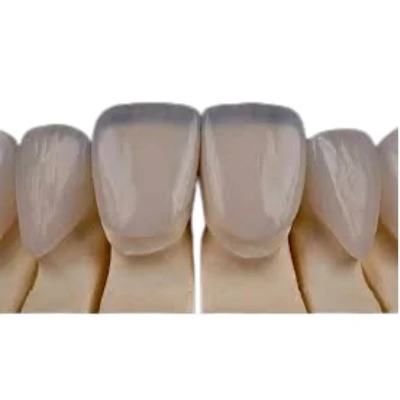
Advantages of zirconia over PFM crowns shine brightest in aesthetics. Zirconia's metal-free design eliminates gray gum lines and opacity issues common with PFM, especially at the margins.
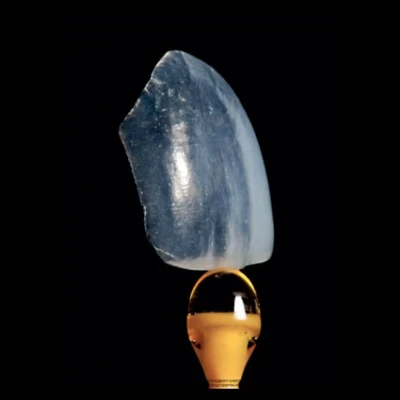
High-translucent and multilayer zirconia now delivers lifelike results for anterior teeth, while still providing unbreakable strength for posteriors.
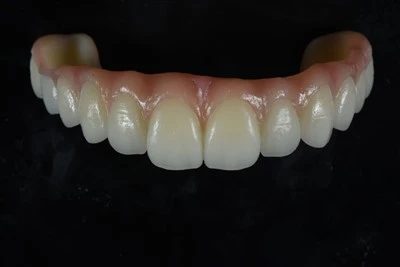
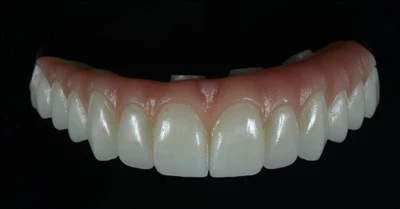
Here's a close-up of natural-looking anterior zirconia:

source: turkeydentalclinic.com
Clinical Indications – When to Choose Zirconia vs PFM
Choose Zirconia (now the preferred choice for most cases):
- Anterior teeth (superior aesthetics).
- Bruxism/high-load patients.
- Implant restorations.
- Allergy-prone patients or those wanting metal-free options.
- Younger patients prioritizing longevity and biocompatibility.
- Zirconia vs PFM for posterior teeth: Zirconia wins for reduced chipping and better wear resistance.
Choose PFM (still useful in specific scenarios):
- Limited occlusal clearance (zirconia needs more space).
- Budget-driven cases.
- Matching existing PFM restorations.
- Certain long-span bridges with height constraints.
Cost Considerations: PFM vs. Zirconia Crowns
Traditionally, PFM crowns have been more affordable due to lower material costs. However, with digital manufacturing and overseas dental lab outsourcing, the cost gap between PFM and zirconia crowns has narrowed significantly.
Many clinics and labs now find that digitally manufactured zirconia crowns offer better long-term value, combining durability, consistency, and reduced remakes.
Digital Manufacturing and Modern Dental Lab Trends
Today's dental labs increasingly rely on CAD/CAM technology to produce both PFM and zirconia crowns with high precision.
- Zirconia crowns are milled using advanced CNC systems, ensuring excellent marginal fit and repeatability.
- PFM crowns can now utilize digitally designed and milled or 3D-printed metal frameworks, improving porcelain bonding and overall consistency.
These digital workflows are especially beneficial for dental labs and clinics outsourcing crown production overseas, where consistency and scalability are critical.
Why Many Dental Labs Are Transitioning from PFM to Zirconia
While PFM crowns remain clinically relevant, many dental professionals are gradually shifting toward zirconia because of:
- Improved aesthetics
- Better patient acceptance
- Reduced chipping rates
- Compatibility with fully digital workflows
This trend is particularly evident in practices focused on long-term efficiency and standardized outsourcing partnerships.
Conclusion: Choosing the Right Crown for Your Patient
For aesthetic-driven or high-demand cases, zirconia crowns are usually the better long-term solution. For cost-sensitive posterior restorations with adequate clearance limitations, PFM remains a reliable option.
At ADS dental laboratory Ltd, We uses advanced 3D printing, CNC milling, and strict quality control to produce both – with fast turnaround and competitive pricing tailored for overseas clients.
If you are looking for a long-term, stable dental lab partner for crown production, we are ready to support your practice or laboratory.
Contact us today to discuss your crown outsourcing needs and digital workflow integration. Email: Info@chinaadsdentallab.com